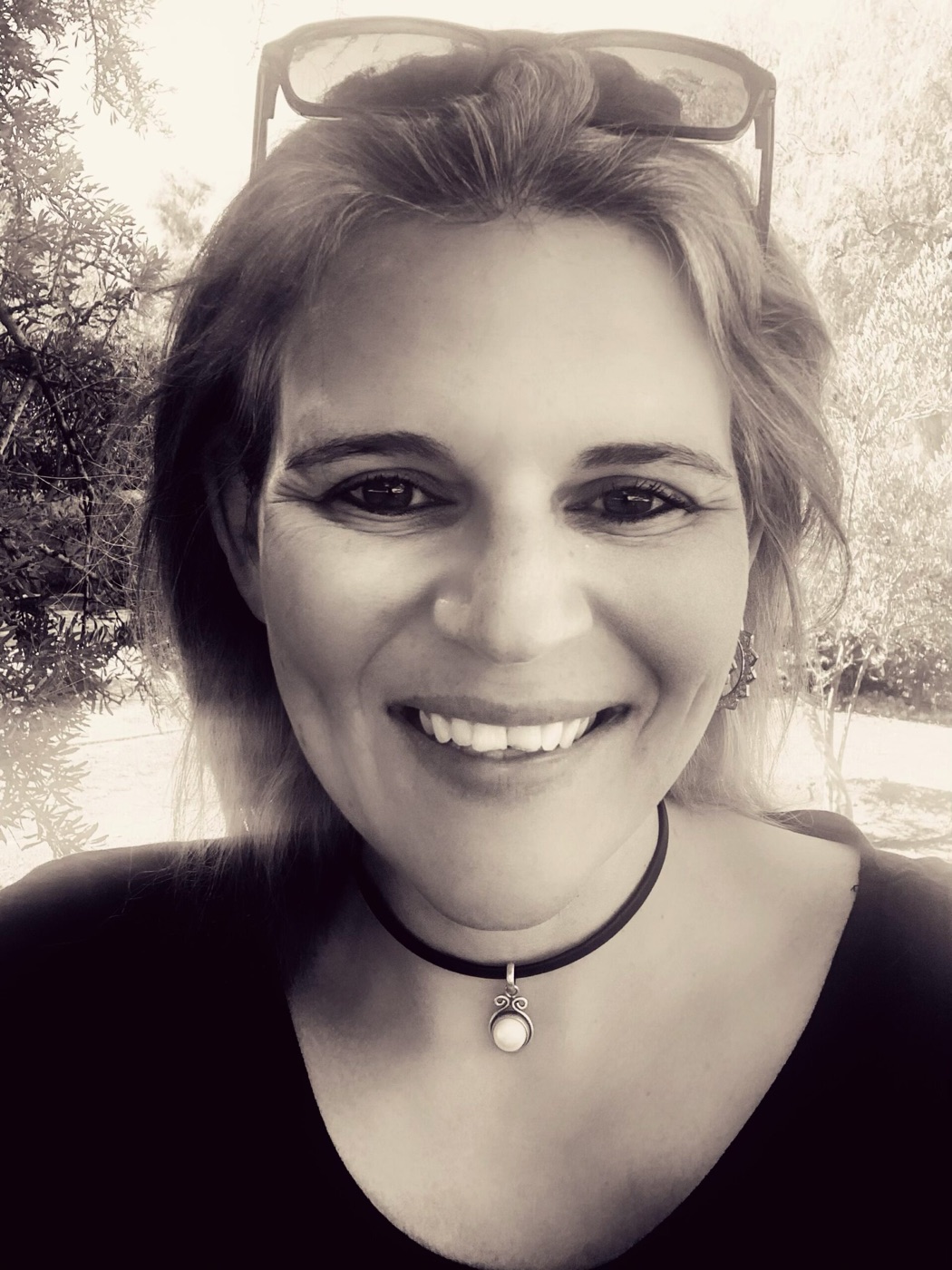

Catherine Paquet is a psychotherapist, hypnotherapist and meditation teacher whose work sits at an unusual intersection: the consulting room and the late-night headphones. Her name is associated with calm, practical guidance for people struggling with stress, difficult emotions and, above all, sleep. She is not a performer in the conventional sense, and she has no discography in the usual meaning of the word. Yet her recordings reach thousands of listeners, and her approach shows a consistent conviction that psychological tools should be concrete, usable and widely available.
Public documentation of Paquet's early life is sparse. Her hometown and childhood are not part of the record, and this profile does not speculate about them. What can be said is how her professional path was built. She holds a degree in psychology and went on to complete several further trainings in psychotherapy. That sequence, an academic grounding followed by deliberate specialisation, shapes everything she has since done.
Her areas of knowledge reflect that training: cognitive-behavioural therapy, hypnosis, stress management, sleep, emotional wellbeing and non-violent communication. These are not decorative interests. Each recurs in her practice, her recordings, her book and her workshops.
Paquet practises cognitive-behavioural therapy, which she describes as a dynamic therapy grounded in concrete work. The phrase is telling. CBT is not a form of open-ended reflection; it asks clients to examine thoughts, behaviours and habits, and to practise change between sessions. Paquet embraces that structure.
Because she works internationally, her consultations take place by video call only. That decision makes her practice accessible across borders, and it mirrors the reach of her online work.
One distinction is worth stating plainly: although she is known for hypnosis-based audio, she does not use hypnosis in her consultations. Her therapy and her freely shared recordings are separate offerings with separate purposes. The first is individual clinical work; the second is a resource for people who wish to work on their own.
Alongside her practice, Paquet shares hypnosis and relaxation sessions freely on YouTube and Spotify. They are intended to help listeners work independently with stress, sleep, emotion management, pain and weight loss, among other concerns. Her Spotify presence counts a little under 13,000 followers, a modest figure in streaming terms but a meaningful one for a spoken-word practitioner whose audience arrives with a specific need rather than out of casual taste.
She describes her therapeutic relaxation as a blend of hypnosis, sophrology and cognitive psychology techniques. Sophrology, a relaxation discipline combining breathing, body awareness and visualisation, sits comfortably beside hypnosis, and the cognitive element gives the sessions a grounding in how thoughts shape experience. Her specialities are emotion management and sleep.
She is careful about the limits of this material. The sessions, she stresses, complement medical or psychological care and do not replace it. That candour is a mark of professional seriousness, and it separates her work from the more inflated claims that sometimes surround wellness content.
Her most substantial written contribution is a six-week protocol for sleep based on CBT-I, the cognitive-behavioural therapy for insomnia. CBT-I is widely regarded as a structured, non-pharmaceutical approach to chronic sleeplessness, and Paquet's version forms the basis of her book En finir avec le cauchemar des insomnies, published by Jouvence.
The book is designed as a working tool rather than a simple explanation. It comes with audio recordings and a sleep diary, bringing together the elements of her practice: the clinical method, the guided relaxation and the habit of tracking one's own progress. For a reader lying awake, the combination of structure and a calming voice is the point.
Paquet also leads wellness stays in Essaouira, Morocco. The personal development workshops there are deliberately practical rather than theoretical, and they are open to everyone. The themes include obstacles to happiness, self-confidence and self-esteem, stress and emotions, and communication based on non-violent communication.
The days have a rhythm. Each evening she leads a live relaxation session shaped by what the group has shared during the day. It is a notable detail: the recordings that listeners know from streaming platforms become, in this setting, responsive and personal, drawn from the particular conversations of a particular group.
Her present work moves along three connected lines: remote psychotherapy by video, a growing library of free relaxation sessions, and in-person stays in Morocco. The sleep book anchors the written side of her output. Nothing in the available record suggests a departure from this model. If anything, its coherence is its strength: each format serves a different kind of need, from one-to-one clinical care to solitary listening to shared retreat.
Paquet's significance lies less in novelty than in translation. She takes methods from clinical psychology and hypnosis and makes them usable by people who may never enter a therapist's office, whether because of cost, distance or hesitation. By offering sessions freely, she lowers the threshold for those first steps toward managing stress or repairing sleep.
Her audience is, in practice, anyone who lies awake, feels overwhelmed by emotion, or wants a gentler way to handle pressure. Her insistence that these tools complement, rather than replace, medical and psychological care gives that accessibility an ethical frame.
In a field often crowded with large promises, Catherine Paquet's appeal is measured and practical: a trained clinician offering structure, calm and honest limits. For many listeners and readers, that combination is what makes the work trustworthy, and it is why her quiet practice carries more weight than its numbers might suggest.