EveryGetaway

Browse All Retreats

Find your transformative retreat

retreats

Yoga Retreats
Meditation Retreats
Wellness Retreats
Spiritual Retreats
Adventure Retreats
Creative Retreats
Couples Retreats
Detox & Cleanse
Fitness Retreats
Corporate Retreats
Popular Destinations
BaliSedonaLos AngelesCosta RicaNew YorkSan FranciscoAustinMiamiJoshua TreeTulum
View All CategoriesView All Destinations

Explore All Features

Powerful tools to grow your events

Platform Features

Smart Dynamic Pricing
Ticket Categories
Assigned Seating
Abandoned Cart Recovery
Visitor Recovery
Donations & Sliding Scale
Affiliate Engine
Ticket Scanner
Coupon Codes
Custom Questions
Ticket Sharing
Upsells & Add-ons
Analytics & Reporting
Email Sequences
Waitlist / Notify / Remind
People & Places
Retreat LeadersRetreat OrganizersRetreat CentersKnowledge BaseInspiration
View All FeaturesAbout Us
PricingBlog
Language
Saved events
Browse All Events

retreats

Yoga RetreatsMeditation RetreatsWellness RetreatsSpiritual RetreatsAdventure RetreatsCreative RetreatsCouples RetreatsDetox & Cleanse

Popular Destinations

BaliSedonaLos AngelesCosta RicaNew YorkSan Francisco

People & Places

Retreat LeadersRetreat OrganizersRetreat CentersKnowledge BaseInspiration

Platform Features

Smart Dynamic PricingTicket CategoriesAssigned SeatingAbandoned Cart RecoveryVisitor RecoveryDonations & Sliding ScaleAffiliate EngineTicket ScannerCoupon CodesCustom QuestionsTicket SharingUpsells & Add-onsAnalytics & ReportingEmail SequencesWaitlist / Notify / Remind
View All FeaturesAbout Us
PricingBlog
Log inSeekersRetreat leaders
  • Browse All Retreats
  • For Seekers
  • Yoga Retreats
  • Meditation Retreats
  • Wellness Retreats
  • Spiritual Retreats
  • Adventure Retreats
  • Creative Retreats
  • Couples Retreats
  • Detox & Cleanse
  • Fitness Retreats
  • Corporate Retreats
  • Retreats
  • Workshops
  • All Categories →
  • Bali, Indonesia
  • Costa Rica
  • Tulum, Mexico
  • Sedona, Arizona
  • Thailand
  • Portugal
  • India
  • Hawaii
  • Greece
  • Spain
  • California
  • Colorado
  • Sri Lanka
  • Morocco
  • All Cities →
  • For Retreat leaders
  • For Organizations
  • Pricing
  • 500K+ Buyer Network
  • Abandoned Cart Recovery
  • Smart Dynamic Pricing
  • Ticket Categories
  • Recurring Events
  • Assigned Seating
  • Affiliate Engine
  • Waitlist / Notify
  • Ticket Scanner
  • Embed Widget
  • Event Syndication
  • Message Center
  • Integrations
  • Reports
  • All Features →
  • About
  • The Ecosystem
  • Blog
  • Glossary
  • Inspiration
  • Help Center
  • Contact
  • API Docs
  • Brand Assets
  • Careers
  • Press
  • Terms of Service
  • Privacy Policy

Retreats

  • Browse All Retreats
  • For Seekers
  • Yoga Retreats
  • Meditation Retreats
  • Wellness Retreats
  • Spiritual Retreats
  • Adventure Retreats
  • Creative Retreats
  • Couples Retreats
  • Detox & Cleanse
  • Fitness Retreats
  • Corporate Retreats
  • Retreats
  • Workshops
  • All Categories →

Destinations

  • Bali, Indonesia
  • Costa Rica
  • Tulum, Mexico
  • Sedona, Arizona
  • Thailand
  • Portugal
  • India
  • Hawaii
  • Greece
  • Spain
  • California
  • Colorado
  • Sri Lanka
  • Morocco
  • All Cities →

For Retreat leaders

  • For Retreat leaders
  • For Organizations
  • Pricing

Features

  • 500K+ Buyer Network
  • Abandoned Cart Recovery
  • Smart Dynamic Pricing
  • Ticket Categories
  • Recurring Events
  • Assigned Seating
  • Affiliate Engine
  • Waitlist / Notify
  • Ticket Scanner
  • Embed Widget
  • Event Syndication
  • Message Center
  • Integrations
  • Reports
  • All Features →

Company

  • About
  • The Ecosystem
  • Blog
  • Glossary
  • Inspiration
  • Help Center
  • Contact
  • API Docs
  • Brand Assets
  • Careers
  • Press
  • Terms of Service
  • Privacy Policy
EveryGetaway
© 2026 EveryGetaway. All rights reserved.
Inspire

Mindfulness Without Judgment: TheCore Practice of Presence

Hugh Byrne
Hugh Byrne
Dec 9, 2023
8 min read
Watch · 7

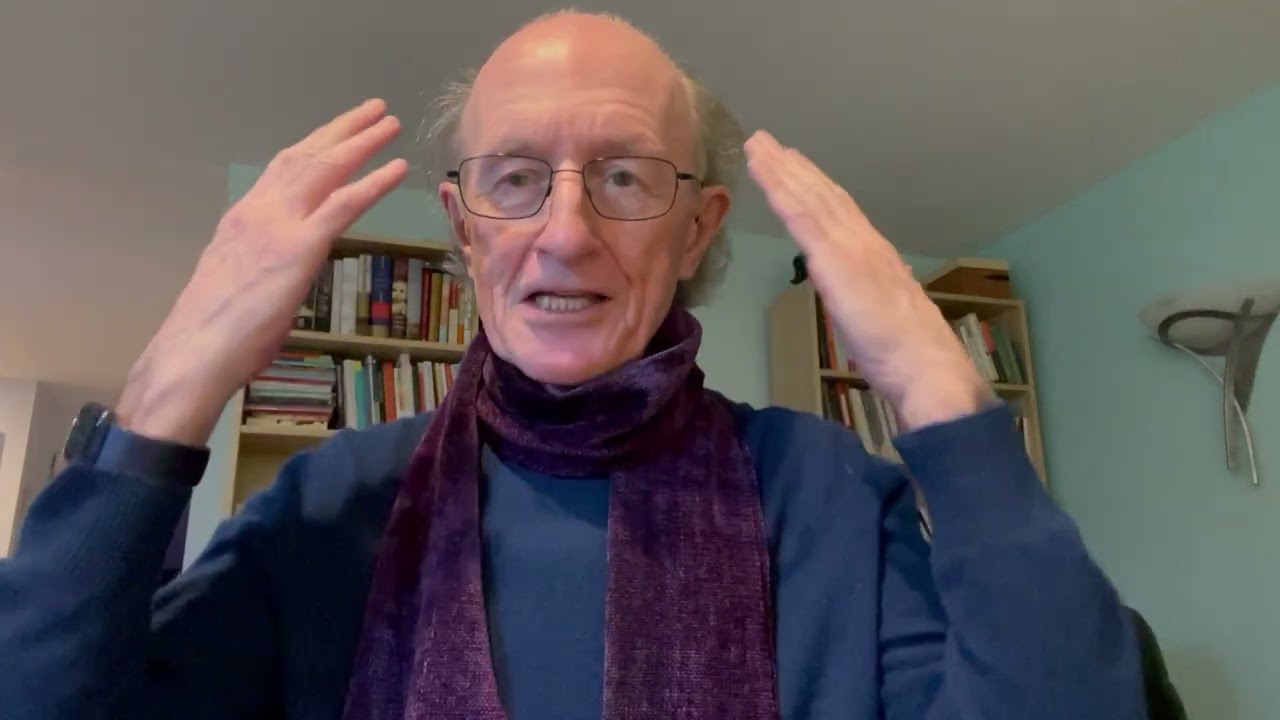
Hugh Byrne guides a six-minute mindfulness meditation rooted in a deceptively simple instruction: meet this moment—your body, your emotions, your breath—with kindness and without judgment. The practice unfolds as a threefold journey: awakening awareness to physical sensation, to emotional weather, to the breath as an anchor of presence. Throughout, a single refrain echoes: whatever arises, make space for it. Poet Dorothy Hunt's reflection—"peace is this moment without judgment"—becomes the philosophical spine, suggesting that freedom isn't found by eliminating discomfort but by shifting how we relate to it.

Read · 9 sections

How Does Non-Judging Awareness Actually Work?

The phrase "kind and non-judging awareness" appears throughout Byrne's guidance, and it's far more than passive observation. It's an invitation to notice without immediately evaluating. When tension arises in the body, a judging mind says "I shouldn't feel this." A non-judging awareness simply notes: "Tension is present. I make space for it." This shift—from resistance to spaciousness—is where Byrne's teaching lives. It's the difference between fighting your experience and meeting it as it is.

This distinction matters because resistance creates suffering on top of discomfort. The sensation itself is already there; judgment about it is additional. By releasing the judgment, you don't eliminate the sensation, but you stop amplifying it with your relationship to it. This is what makes the practice transformative: it's not about achieving a particular state, but about changing your stance toward whatever state you're actually in. When you stop demanding that this moment be different from what it is, you create the space where something can actually shift.

What Are the Three Movements of Presence?

Byrne's meditation unfolds in three distinct phases, each deepening the contact between awareness and experience. Together, they form a complete arc: from the body into emotion into breath, with each movement building on the last.

How Does Body Awareness Begin the Practice?

The guide directs attention into physical sensation, inviting you to notice "hardness or softness, warmth or coolness, maybe there's tingling or pulsing, pressure—whatever's here." The crucial instruction follows: "See if you can make space for it, meeting your experience with kindness and with acceptance." This isn't clinical body scanning. It's an embodied, intimate meeting with what's actually alive in the physical form right now.

Most people spend their lives in habitual reaction to bodily sensation. We tense against pain, grasp toward pleasure, ignore neutral sensations. Byrne's practice invites something different: full awareness without the automatic push-pull. You might feel heat in the chest, and instead of thinking "I want this to go away" or "I like this," you simply feel the heat fully, with curiosity and kindness. This simple shift opens space where there was previously contraction. The body becomes not something to fix but something to meet, and that meeting itself is the practice.

What Happens When You Bring Awareness to Emotion?

From the body, attention moves to the mind's weather: mood and emotion. Byrne invites: "If you bring awareness to your mood, your emotions right now, just notice what's present. There might be some tiredness or some calm, maybe a little bit of worry in the mind, tension." Again, the practice is identical: make space for what's here. Let whatever feelings are present come. Let them be. Let them go when they're ready.

This stands in stark contrast to cultural messages about emotional life. We're taught to "fix" sadness, "overcome" anxiety, "boost" happiness. Byrne's instruction doesn't aim at transformation of emotional states—it aims at transformation of our relationship to them. The feeling is allowed to exist, move, and pass without the burden of judgment. Paradoxically, this non-resistant meeting often brings relief more effectively than any attempt at fixing or controlling. When you stop fighting the emotion, you often discover it's far more workable than you thought.

How Does the Breath Become an Anchor?

With body and emotion acknowledged, Byrne offers the breath as a grounding point. "Let your attention rest on your breathing, just the sensations of breathing in and breathing out. Let the breath be your anchor of grounding you here now." The breath becomes both meditation object and home base. And inevitably: the mind will wander. Byrne addresses this with gentleness rather than frustration: "If the mind goes off into thought, just when you notice that, gently, kindly let your attention come back to the body, come back to the breath, come back to this moment here and now."

The instruction is not "stop thinking" (an impossible demand). It's "when you notice you've drifted, gently return." The word gently carries enormous weight. There's no combat with the mind, no exertion of will, no judgment about having wandered. Just a quiet redirection, repeated as many times as necessary. This is kindness toward oneself embedded in the practice itself. Each time you notice and return, that's not a failure—that's the practice working. The return is the real instruction.

Why Does "Non-Judging Awareness" Repeat Throughout?

What's remarkable in Byrne's guidance is that "kind and non-judging awareness" isn't stated once and assumed. It returns again and again—a refrain, a meditation bell that sounds at key moments. From the opening invitation through body awareness, emotion awareness, and breath practice, the instruction circles back repeatedly. By the end of six minutes, it has been woven so thoroughly into the fabric of the practice that it becomes the actual texture of meeting experience itself.

This repetition isn't redundant. It's pedagogical. Non-judging awareness is not a natural state for minds trained in constant evaluation and self-critique. It's countercultural. It requires rehearsal. Byrne's structure ensures that practitioners return to this intention repeatedly, strengthening it like a muscle that grows stronger with use. Each repetition deepens the neural groove, making it more accessible in the moments when it matters most—in daily life, off the meditation cushion.

What Does Dorothy Hunt's Quote Reveal?

Near the meditation's close, Byrne offers a line from poet Dorothy Hunt:

"Peace is this moment without judgment."
This moment. Not some future meditation where everything is calm. Not a retreat or a breakthrough or a spiritual attainment. This moment—with whatever weather it carries—without the added layer of judgment about whether it should be different.

This is the full revelation of what the practice has been teaching all along. Peace isn't a state to attain through effort or discipline. It's a shift in how we relate to the present. It's what remains when we stop fighting what is. Hunt's insight suggests that peace has been available all along; we just needed to release the judgment that obscures it. In this teaching, peace and presence are the same thing.

Why Is a Six-Minute Practice Enough?

In an age of 30-day challenges and 200-hour trainings, there's something radical about a six-minute meditation. It's not minimalism for its own sake. It's honesty. Six minutes is realistic for most lives. It's long enough to settle genuinely and practice deeply, yet short enough to be consistent. A person can do this daily without it becoming a burden or another item on an overwhelming to-do list. A person can understand presence, taste non-judgment, and make space for their experience—all in the time it takes to have a cup of coffee or a morning commute.

The practice is complete in itself. It has a beginning, middle, and end. Posture, awareness, breath. A philosophy delivered not as doctrine but as lived experience. What Byrne offers isn't a glimpse of a distant state reserved for advanced practitioners. It's a doorway into what's available right now, in this moment, if we can meet it with kindness instead of resistance. This accessibility is its power.

Where to Go From Here

If this guided practice resonates, consistency is the logical first step. Six minutes daily becomes the foundation. Over time, you might extend to ten or fifteen minutes, or you might keep six minutes but notice that the quality of presence extends naturally into the rest of your day—into how you meet traffic, difficult conversations, your own doubt, and your own joy. The insight of non-judging awareness doesn't stay confined to the meditation cushion.

For those curious about the tradition underlying this approach, Byrne's method draws from mindfulness-based stress reduction (MBSR) and Theravada Buddhist meditation, both of which emphasize exactly this: present-moment awareness met with acceptance rather than judgment. The practice doesn't require belief in any religious tradition or spiritual framework. It requires only willingness to show up to your own direct experience with curiosity and kindness. That willingness is the only equipment you need.
Comments

Loading the conversation…

Transcript

[0:03] welcome to this short mindfulness

[0:07] meditation where we'll be inviting a

[0:10] kind and non-judging awareness to Our

[0:15] momentto Moment

[0:19] experience Begin by finding a

[0:22] comfortable relaxed

[0:25] posture

[0:27] sitting with your back straight

[0:31] inviting the shoulders to

[0:34] relax letting your hands settle

[0:37] comfortably in your lap or on your knees

[0:40] or on your

[0:42] thighs if it's comfortable you

[0:45] might let your eyes close let your

[0:48] attention come

[0:51] Inward and for this

[0:53] period if you can just put aside

[0:57] thoughts of the future thoughts of the

[0:59] past thoughts of things going on

[1:02] elsewhere and let your attention be

[1:05] present in the

[1:07] body the heart the mind with your

[1:11] experience as it is right

[1:15] now you might take

[1:18] a a nice deep in

[1:21] breath filling the chest filling the

[1:25] lungs and then let go a slow long slow

[1:29] out breath

[1:31] relaxing releasing on the out

[1:38] breath and when you're ready just

[1:40] letting the breath settle into its

[1:42] natural

[1:49] Rhythm let your awareness come into your

[1:52] body and just notice what's present

[1:55] right

[1:56] now there might be some feeling

[1:59] of hardness or

[2:02] softness warmth or

[2:06] coolness maybe there's tingling or

[2:09] pulsing

[2:12] pressure whatever's here see if you can

[2:15] make space for

[2:16] it

[2:18] meeting your experience with

[2:21] kindness and with

[2:25] acceptance this moment just as it

[2:29] is

[2:36] if you bring awareness to your mood your

[2:41] emotions right

[2:42] now just notice what's

[2:45] present you know there might be some

[2:48] tiredness

[2:49] or some

[2:51] calm maybe a little bit of worry in the

[2:54] mind

[2:55] [Music]

[2:57] tension see if you can make space for

[3:00] for what's here let whatever feelings

[3:02] are here

[3:05] come let them

[3:09] be let them go when they're

[3:16] ready you're meeting whatever is here

[3:19] right now with with

[3:23] kindness with

[3:26] acceptance and without

[3:29] judgment

[3:38] you might let your attention rest on

[3:41] your

[3:42] breathing just the sensations of

[3:44] breathing in and breathing

[3:55] out could let the breath be your

[3:59] anchor of grounding you here

[4:08] now and if the Mind goes off into

[4:13] thought just when you notice that gently

[4:17] kindly let your attention come back to

[4:19] the body come back to the

[4:23] breath come back to this

[4:27] moment Here and Now

[4:42] just resting

[4:44] in a kind nonjudging awareness of what's

[4:48] present in this

[4:51] moment this moment without

[4:55] judgment making space

[4:57] for whatever is here right now

[5:03] now meeting it with

[5:07] kindness with

[5:13] acceptance poet Dorothy hunt says peace

[5:16] is this moment without

[5:20] judgment this

[5:22] moment in the heart

[5:24] space where everything that is is

[5:28] welcome

[5:46] so when whenever you're ready you might

[5:49] just open your eyes connecting with

[5:53] what's around

[5:56] you thank you for taking the time to

[6:00] to practice together

[6:07] today

Hugh Byrne
ArtistHugh Byrne

Hugh Byrne, PhD, is a meditation teacher and author of The Here-and-Now Habit and Habit Swap, and a lead teacher at the Insight Meditation Community of Greater Washington.

View profileWebsite
Explore Topics
MindfulnessNon-judgmentMeditationBreath-workPresence

Got Questions?

Frequently Asked Questions

Begin with a comfortable seated posture, back straight, shoulders relaxed. Set aside thoughts of the past and future, and bring your attention to your body, emotions, and breath. Even six minutes daily is enough to develop a consistent practice; consistency matters more than duration.
Non-judging awareness means noticing your experience—sensations, emotions, thoughts—without immediately evaluating them as good or bad. Instead of resisting discomfort or grasping for pleasure, you simply make space for what's present with kindness and acceptance.
When you notice your mind has wandered, gently and kindly redirect your attention back to your breath or body without frustration. The practice isn't about stopping thoughts but about noticing when you've drifted and compassionately returning—this return itself is the practice.
Yes—by teaching you to meet anxious or stressful thoughts without judgment, mindfulness helps you create space between the feeling and your reaction to it. This shift from resistance to acceptance often brings relief more effectively than trying to eliminate the feeling.
Mindfulness specifically involves present-moment awareness of your experience without judgment. Other types (like transcendental or loving-kindness meditation) focus on different techniques or intentions, but mindfulness emphasizes direct observation and acceptance of what's actually happening now.
Even six minutes of consistent daily practice can develop presence and non-judging awareness. Longer sessions may deepen the practice, but consistency matters more than duration—a realistic practice you can do daily is better than an ambitious one you abandon.
It means peace isn't a distant goal you achieve through effort, but a quality available right now when you stop evaluating whether this moment should be different. By meeting your experience with acceptance rather than judgment, you access peace inherent in presence itself.

Continue Reading

More from Hugh

View All
Poetry as a Bridge to Direct Experience in Meditation
Inspire

Poetry as a Bridge to Direct Experience in Meditation

Poetry bypasses conceptual thought to deepen meditation, opening practitioners to direct experience and heart-centered presence.…

1 min read
Brahma Viharas: The Buddha's Four Heart Practices
Inspire

Brahma Viharas: The Buddha's Four Heart Practices

Discover the Buddha's four heart practices—loving-kindness, compassion, joy, and equanimity—called divine abodes. These foundational qualiti…

1 min read
Govinda Jaya: How Sacred Sound Awakens the Heart
Inspire

Govinda Jaya: How Sacred Sound Awakens the Heart

Radhika Das channels the liberating power of mantra through a luminous kirtan performance at Medicine Festival, invoking divine names to pur…

1 min read
Deva Premal & Miten Return to Melbourne After Years Away
Inspire

Deva Premal & Miten Return to Melbourne After Years Away

Deva Premal and Miten announce their return to Melbourne's Palais Theatre on October 26, celebrating 35 years of mantra and music with longt…

1 min read

Keep exploring

Continue your journey

More wisdom and gatherings from across the BrightStar directory.

More Articles

Browse the full library of teachings, interviews, and guides.

Back to all articles →

Teachers & Artists

Explore the lineages, musicians, and guides of the conscious world.

Explore artists →

Find an Event

Kirtan, retreats, sound baths, breathwork, festivals — happening soon.

Browse events →