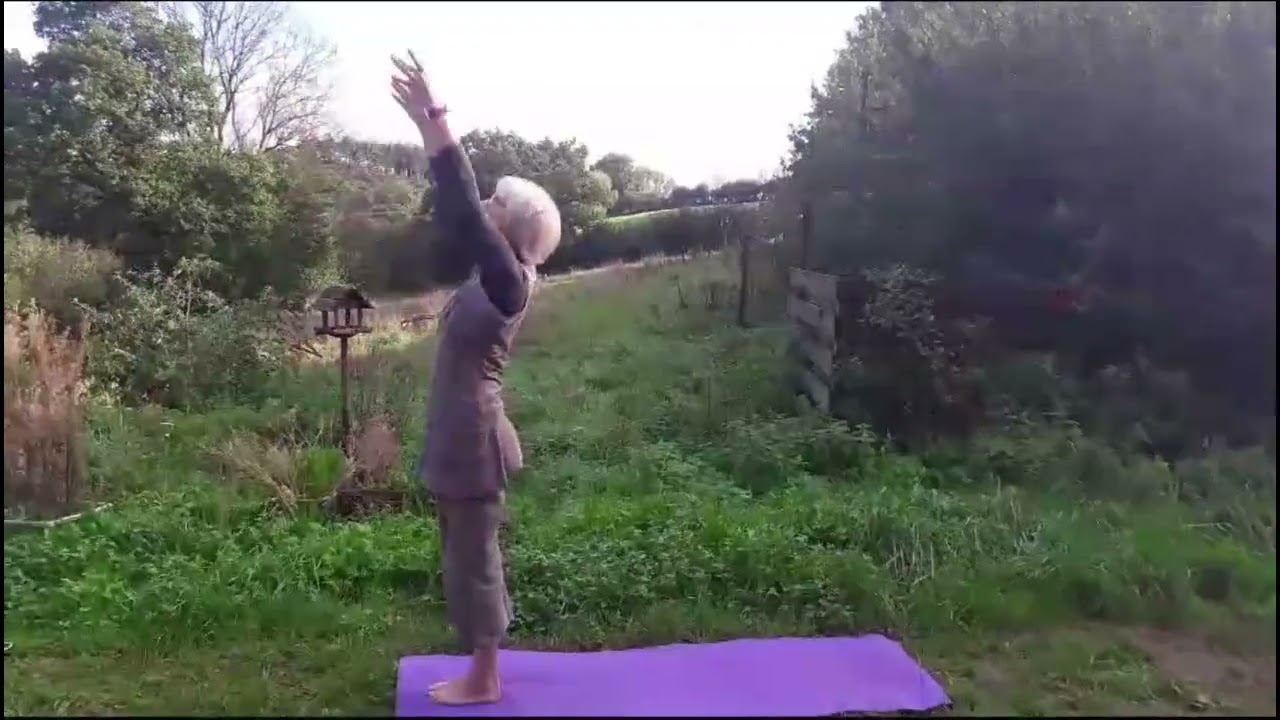
On the Sharpham Estate in South Devon, an ambitious experiment reached its first milestone: 50 acres of farmland, left mostly untouched, have begun their return to wildness. The results, captured one year into the Wild for People project, tell a story not of dramatic intervention but of what emerges when humans step back. More insects, more birds, including the rare Cirl Buntings, have recolonized the land. The ecosystem, it turns out, knows what to do when given the chance.
The Silken Tapestry: Understanding Rewilding
Rewilding, as described in the project's first-year documentation, is fundamentally about making space for nature and wildlife. The concept carries a potent metaphor: imagine the landscape as a silken tapestry made of threads, each one representing an individual species. Over decades, humanity has been losing those threads one by one—losing species, unraveling biodiversity. At first, the loss goes unnoticed; the tapestry still holds its shape. But eventually, the logic compounds: lose enough threads and the entire weaving collapses.
The insight underlying Wild for People is that we've now reached a critical moment where intervention is possible. Rather than passively witnessing further unraveling, the Sharpham Trust identified an opportunity to re-thread—to actively bring species back and create conditions for their return. Rewilding, in this view, is not a return to wilderness untouched by human hands; it is a deliberate choice to use human agency toward restoration.
What Happens When You Stop Farming?
The practical magic of the first year lies in radical restraint. Part of what the Sharpham team is doing to the land is simply leaving it alone: not grazing it, not interfering, not applying chemicals, just letting it settle. The chain reaction that follows illustrates the interconnectedness of ecological systems.
Without grazing pressure and chemical inputs, seed-producing flowers and plants returned in greater abundance. The increase in flora drew insects—crickets and others—which had begun recolonizing from adjacent land. With more insects came more insectivorous birds. And with more birds came predatory species higher up the food chain, birds that feed on the birds below them. Each step triggered the next in an elegant cascade.
This progression isn't accidental; it's the grammar of ecosystem recovery. By removing the active suppression that industrial farming requires, the land simply began remembering how to be itself.
Grazing Animals and Adaptive Management
The second phase, beginning in 2021 and beyond, moves beyond passive restoration into a more nuanced strategy. New fencing was to be introduced across the Sharpham Estate, not to lock animals in but to establish the framework for controlled grazing. Level crossings were designed along public pathways, deliberately angled in favor of the grazing animals so they could roam freely across the land being restored. The fencing exists not as a barrier to nature but as a tool for directing it—allowing livestock to move where they choose while keeping the managed landscape structured and intentional.
This represents an evolution in rewilding philosophy: the recognition that some human presence and action, carefully calibrated, can support rather than hinder ecological recovery. Grazing animals, managed for movement rather than intensive farming, can maintain certain habitat conditions that support particular species.
Citizen Science and Community Engagement
Wild for People is not designed as a specialist project locked behind expert credentials. A central pillar of the work is citizen science—engaging the local community and a wider audience in recording wildlife across the estate. By inviting everyone to play a role in documenting species, the project transforms visitors and community members from passive observers into active participants in the restoration process. This engagement strategy serves multiple purposes: it generates valuable data on species abundance and distribution, it builds local buy-in and stewardship, and it democratizes the knowledge that usually stays confined to research institutions.
Visitors to the estate are asked to manage the new gates—opening and closing them behind themselves—because the animals' freedom to roam is critical to the restoration. This simple request transforms every gate into a point of contact where people understand their role in the larger ecological project.
Part of a National Movement
The Sharpham Estate's rewilding work is not an isolated experiment but part of a larger shift in British land management. Increasingly, rewilding has become both a phrase and a technique being deployed across the UK to make space for nature. Sharpham is one node in a network of projects, each contributing to a national picture of ecological recovery. The work happening on 50 acres in Devon feeds into and is informed by broader conservation science and practice.
This positioning—local in execution, national in implication—reflects a key insight of modern rewilding: that species and ecosystems don't respect property boundaries, and that recovery at landscape scale requires coordination and replication across many sites.
What One Year Taught Them
The fantastic revelation of year one was witnessing the sheer increase in species abundance across the site. Crickets returned. Birds appeared in greater numbers. The Cirl Bunting, a species of conservation concern in Britain, was documented on the estate. These aren't marginal improvements; they're visible proof that the approach works.
But the team is explicit: this is a journey, not a destination. The rewilding program will unfold over years, and what emerges in year two and beyond will build on these foundations. The initial success validates the hypothesis—step back, let land recover, and nature responds—but it also opens larger questions about succession, species interaction, and the long-term trajectory of the restored ecosystem.
Where to go from here
For anyone interested in conservation, ecosystem recovery, or the practical philosophy of rewilding, the Wild for People project offers both inspiration and a model. The Sharpham Trust documents its work through regular updates and welcomes both visitors and citizen scientists to the estate. The project demonstrates that rewilding is not theoretical—it's happening on actual land, with measurable outcomes, and ordinary people can participate. Those curious about how to rewild land, how to engage communities in conservation, or simply how to witness ecological regeneration in real time can find more information through the Sharpham Trust's resources and events at its South Devon location.