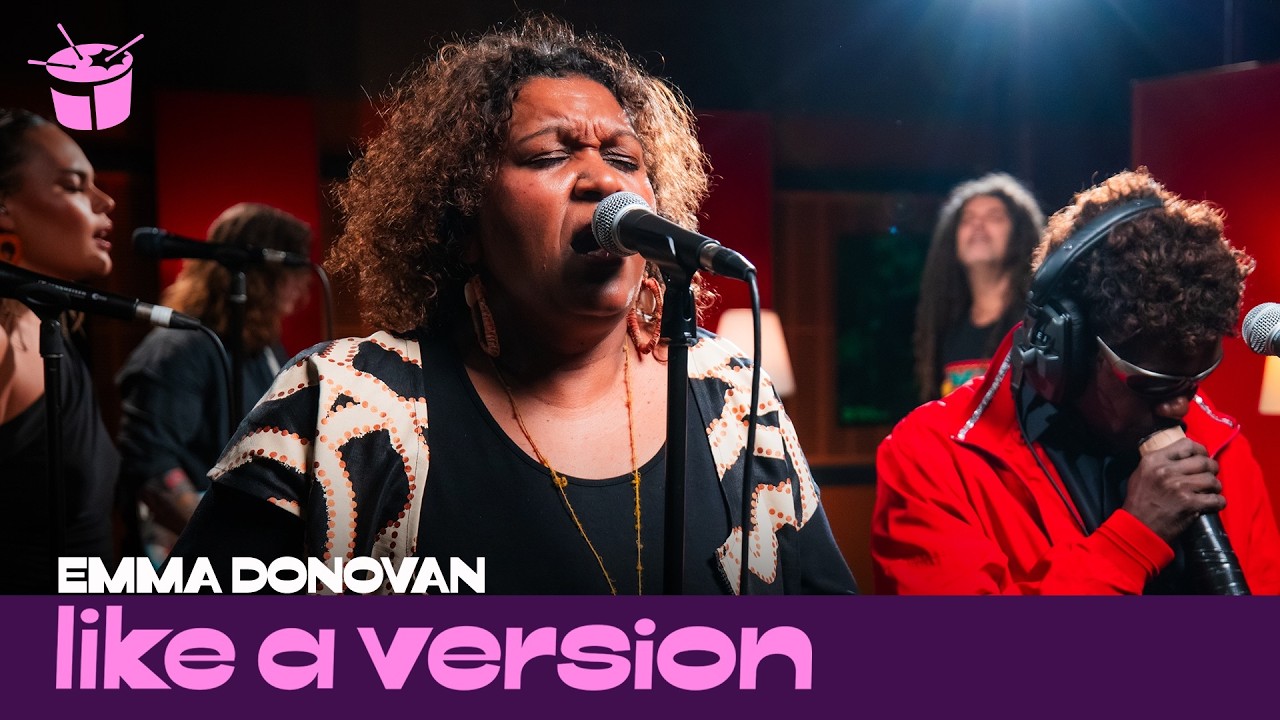
Emma Donovan stands in the inheritance of something most pop music refuses to acknowledge: that soul and blues have always asked the hard questions about survival, authenticity, and the conditions that make life worth living. Her reimagining of Ann Peebles' 1974 "Do I Need You?"—arriving as the lead single from her forthcoming album (due 2026 via Civilians)—doesn't replicate the original. It reroots it, drawing on what the official notes describe as her "family's deep connection to Country and community." Donovan, a proud Gumbaynggirr and Yamatji artist and one of Australia's most powerful and beloved voices, has claimed this song for her own moment and cultural lineage. The single accompanies her acclaimed live work "Take Me To The River," a project that reimagines soul classics "through music, storytelling and visual art"—a framework that announces Donovan's central artistic commitment: that sound alone cannot contain what these songs are trying to say.
What the Song Actually Asks
"Do I Need You?" begins with a diagnosis rather than a complaint. The opening couplet—"I've been unhappy all my life, / Seems like all I do is sacrifice"—establishes emotional fact with almost clinical precision. There's no performance of self-pity here, no invitation for sympathy. The singer is documenting her existence the way a naturalist documents habitat.
From that foundation, the song builds into a more specific kind of reckoning. The contradiction becomes apparent: sacrifice, according to the traditional narrative, should lead to reward. But this account reverses that equation. "The more I sacrifice the worse it makes me feel." The singer observes her own patterns with the clarity that comes only from sustained attention to failure.
What follows is perhaps the song's most devastating insight: "Most of the things I thought were wrong / Turned out to be for real." This is a statement about fundamental disillusionment. The singer had constructed an internal map of her own life—which elements were dangerous, which salvageable, which worth protecting. That map has proven useless. Her guidance systems failed.
From this place of being fundamentally mistaken about her own life, the singer encounters love. Someone is offering it. She recognizes its value. But she can't receive it yet because she's encountered something more urgent: "I need something in my life to make me want to live." Here is the song's philosophical engine. Love becomes secondary to the primary work of finding reasons for existence. The order of operations cannot be skipped. Survival must come before romance. "I'm up in my whole life," she sings, invoking the image of psychological inversion, "but I think need a change."
The second verse shifts into sensory language: "I need some sunshine in my life, / I can't stand the rain." The song refuses to remain abstract. Its hunger is literal—for light, for transformation, for conditions that make living bearable. Not someday. Now.
The brilliance of the refrain lies in its refusal of false closure. "Tell me do, do, do I need you?" is not a question seeking reassurance. It's an interrogation that accepts no easy answers. And the song's response to that interrogation is clear: not necessarily. "I don't need no man, / I already know the game." Availability isn't enough. "I don't need nobody that can't be true." Truth-telling is nonnegotiable. The song insists that mere partnership, however well-intentioned, cannot substitute for authenticity.
Who Emma Donovan Is
Emma Donovan brings her own weight to these questions. As a Gumbaynggirr and Yamatji artist with roots in two Indigenous Australian nations, she approaches soul music not as a genre to interpret but as a tradition to engage with and reshape through her own lineage. The official description emphasizes her "family's deep connection to Country and community"—a centering that distinguishes her practice from individualistic interpretations of soul.
Soul music's power has always rested on a paradox: it addresses the most private, most personal emotional experiences in a voice that somehow contains the collective. The tradition emerged from contexts where the personal and political were inseparable—where individual survival and dignity were always also communal questions. Donovan's return to this practice—her choice to remake Ann Peebles through her own cultural and familial lineage—isn't just artistic choice; it's a reclamation of soul's actual foundation.
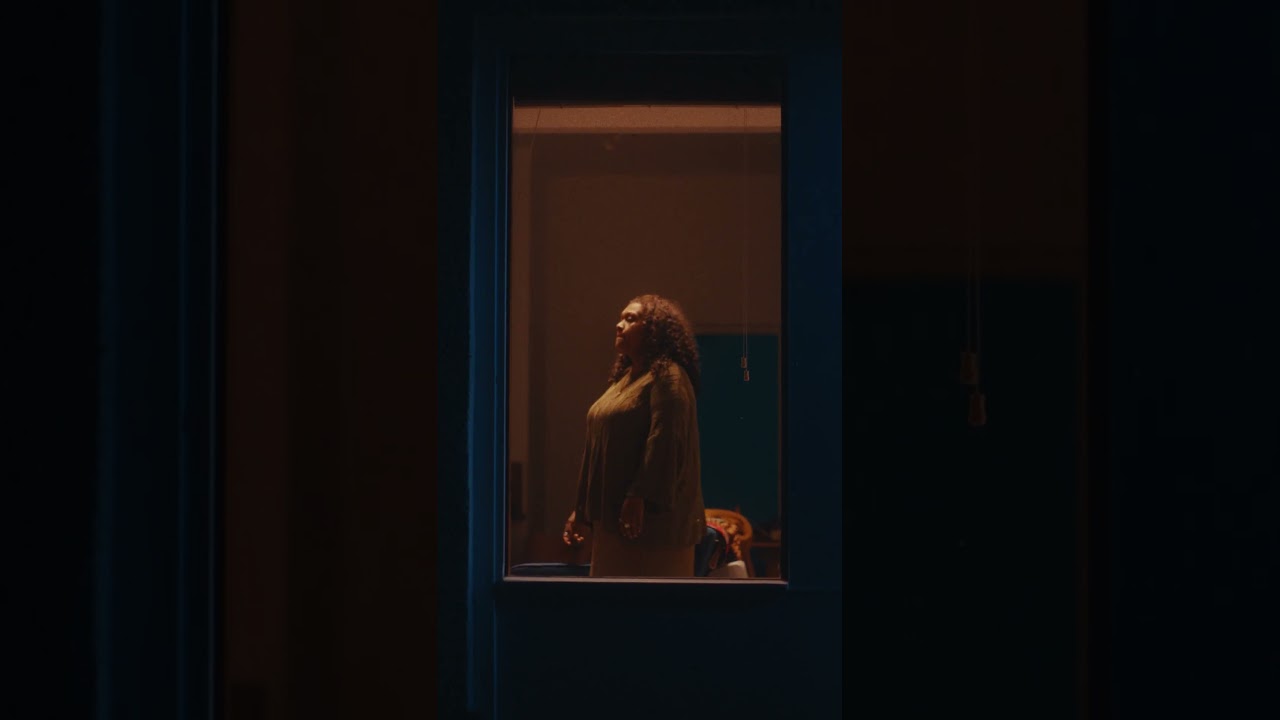
The production of the visualizer signals the scope of this commitment. Directed and edited by Claudia Sangiorgi Dalimore, cinematographed by Michael Hales, with art direction by Leisa Hayhoe and color work by Daniel Witt at Moodlab, the video represents a complete artistic statement. This is filmmaking in service of the song, not promotion around the song. The credits announce what the work itself demonstrates: that reimagining requires collaboration, visual thinking, the work of making something newly real.
Why Reimagining Matters
The practice of reimagining carries deep historical roots in soul and blues traditions. These genres have never been about faithful reproduction; they've always been about revision, about songs moving from hand to hand, each performer bringing their own experience and lineage to bear. The tradition asks: what does this song become when filtered through your life, your voice, your moment?
Donovan's framing of this work—explicitly centering her Indigenous identity, explicitly integrating storytelling and visual art—positions that identity not as context but as a primary creative force. The song "Do I Need You?" becomes, through her interpretation, an investigation of what it means to survive without compromising integrity, what genuine connection looks like, how to distinguish between functioning and flourishing.
The ethics of the original song align with this centering. The refusal to accept substitutes, the insistence that mere availability isn't enough, the demand that any partnership be rooted in truth—these aren't individualistic values. They're values about survival with dignity, about what authentic connection requires, about the difference between settling and thriving.
What Comes Next
"Do I Need You?" arrives as the first single from an album due in 2026 via Civilians, suggesting that this reimagining is part of a larger statement, not an isolated gesture. The integration with "Take Me To The River"—a live practice that continues reimagining soul classics through multidisciplinary means—positions Donovan as an artist working at the intersection of soul tradition and contemporary consciousness.
As she prepares for full album release and continued live work, Donovan is positioning herself within a continuum of soul artists who've understood that the personal and collective are inseparable. She's demonstrating that reimagining isn't nostalgia; it's an active engagement with inheritance. It's asking: what does this tradition teach us now? What does this song become when sung by an Indigenous Australian artist centering Country and community? What does survival look like? What does authentic connection demand?
For listeners encountering this work, there's an entry into understanding what soul music actually does. It's not primarily about romance, however much commercial radio presents it that way. It's about truth-telling. It's about knowing yourself well enough to recognize what you need and refusing to settle for less. It's about the terrifying freedom of being your own life's author while also being rooted in something larger than yourself—whether that's tradition, Country, community, or the lineage of artists who've asked hard questions before.
The song ends unresolved. There's no revelation that love answers everything. There's just a woman asking hard questions and insisting on honest answers. That refusal of easy resolution might be its most important inheritance, and the most important thing Donovan carries forward: that sometimes the most powerful thing a song can do is tell the truth.
Where to Go From Here
Listen to "Do I Need You?" not as a cover but as a claiming, a translation, a demonstration of what happens when a song of soul tradition meets an artist rooted in Indigenous Country and community. Follow Emma Donovan's work through her album release in 2026, and engage with "Take Me To The River" to understand how music, storytelling, and visual art can work together to deepen what songs actually mean. The practice of reimagining—of engaging seriously with inheritance and asking what it becomes in new hands—is itself a form of consciousness: the attention to what makes life worth living, the refusal to accept anything less than authenticity, the integration of personal truth and collective belonging. Visit emmadonovan.com for tour dates and updates, and subscribe to her channel at youtube.com/@EmmaDonovanmusic for live performances and behind-the-scenes content.