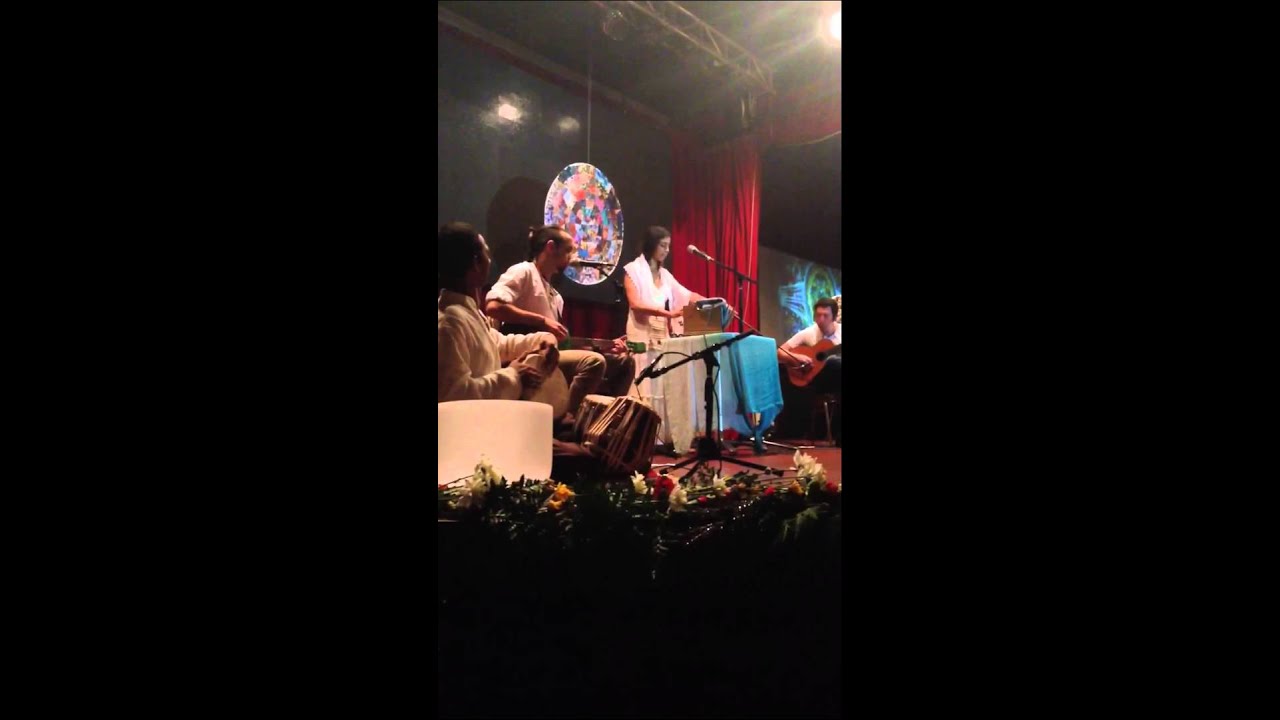
Om Namah Shivaya is one of the most widely chanted mantras in Hindu, yogic, and contemplative traditions. The mantra translates as "I bow to Shiva" — but Shiva here refers not to a personal god, but to the universal principle of consciousness itself, the divine ground of being. Each syllable carries layers of meaning: Om is the primordial sound from which creation emerges; Namah means "I bow" or "I honor"; and Shivaya points to Shiva, understood as pure consciousness, awareness, and the force of transformation.
In traditional yoga philosophy, Shiva represents the transcendent witness — the unchanging awareness that observes all transformation without being affected by it. By chanting this mantra, a practitioner acknowledges and align themselves with this principle, moving toward their own liberation or self-realization. The mantra is not a petition to an external deity but an affirmation and recognition of the divine nature already present within.
While mantras can be chanted silently or aloud, the integration of movement and dance adds a somatic dimension to the practice. The body is not separate from consciousness in most non-dual spiritual traditions — it is a vehicle for awakening. When chanting is paired with rhythmic movement, as in this session with The JAHIDI Experience, several things occur:
- Embodiment of Sound: Movement anchors the vibration of the mantra in the physical body, making the practice multisensory. Rather than remaining an abstract mental or vocal practice, the mantra becomes felt and lived.
- Dissolution of Self-Consciousness: Dance and movement can dissolve the habitual self-consciousness or conceptual mind that often stands between the ego and direct experience. The body's natural rhythm carries the practitioner into a more intuitive, non-verbal state.
- Activation of Energy: In yogic understanding, mantra and movement together activate subtle energy channels (nadis) and psychic centers (chakras), facilitating the flow of prana (life force) through the system.
- Communal Resonance: In a group setting, as in this filmed experience, the combined voices and movements create a collective field that amplifies the mantra's potency and creates a shared threshold into deeper states.
The JAHIDI Experience provides live musical accompaniment — a crucial element in kirtan and devotional chanting. Music serves several functions in mantra practice. It creates a container, a rhythmic and tonal field that holds the participants' attention and energy. Rather than chanting in silence, which requires significant mental discipline, the melody and rhythm of a skilled musician invite the voice naturally into harmony and the mind naturally into absorption.
In kirtan traditions, particularly in Hindu and Krishnaite contexts, the musician is not merely accompanying singers but actively creating the conditions for direct experience. The interplay between the chanter's voice, the musician's response, and the collective resonance mirrors the larger dance between individual consciousness and universal consciousness that many spiritual paths point toward.
The title "Dance of Transformation" points to a central theme in Shiva-centered philosophy: that reality itself is not static but a continuous dance of appearance and dissolution, creation and destruction, contraction and expansion. This cosmic dance is called Tandava in Sanskrit. On the personal level, transformation means the dissolution of fixed identity and the recognition of one's true nature as the unchanging awareness that witnesses all change.
A mantra practice with movement becomes a microcosm of this larger cosmic dance. As the practitioner moves, chants, and surrenders to the rhythm and sound, the rigid boundaries of the separate ego begin to soften. Transformation is not something that happens to you — it is the ongoing process of recognizing what you already are beneath the layers of conditioning, belief, and habitual thinking.
While this filmed session is a complete devotional experience, the mantra Om Namah Shivaya is portable and accessible. A practitioner might:
- Chant Silently: Repeat the mantra internally, particularly during meditation or in moments of stress or confusion. The practice anchors attention in the present and creates space between thought and awareness.
- Chant Aloud: Vocalize the mantra with the intention of invoking the principle of consciousness and transformation. The vibration of the spoken word itself has a purifying effect.
- Move With It: Simple swaying, circular movements, or whatever the body naturally wants to do while chanting creates the embodied, multisensory dimension explored in this session.
- Listen to Recordings: Following along with recorded kirtan, like this session, allows one to join the collective field without needing instrumental or vocal skill.
This session is fundamentally a devotional practice, and devotion (or bhakti in Sanskrit) is one of the primary paths to liberation in Hindu and many other spiritual traditions. Bhakti is not blind faith or emotional sentimentality. Rather, it is the whole-hearted surrender of the limited ego-self to something greater, to the divine principle that sustains all existence.
Devotion opens the heart and creates the conditions for grace — understood not as a supernatural intervention but as the natural unfolding of one's deepest nature when resistance is released. When a practitioner chants Om Namah Shivaya with genuine devotion, bowing internally to the divine within all beings, the practice becomes a love letter to consciousness itself, and a recognition that there is nowhere to go and nothing to become — only an unveiling of what already is.
If this session resonates, explore further by seeking out live kirtan events in your area or online, where you can experience the full power of collective chanting and music. Develop a personal practice with Om Namah Shivaya — even five to ten minutes daily of quiet chanting or movement-based practice can begin to shift perception and open awareness to the transformative power of mantra. For deeper study, explore texts on Shaivism and Tantra, such as the Shiva Sutras or teachings from contemporary Shaivite teachers. And remember that the transformation promised by this practice is not distant or conditional — it begins the moment you turn your attention inward and bow to the consciousness that witnesses all experience.
]]>