The Ripple of Kindness: Transforming the World One Act at a Time
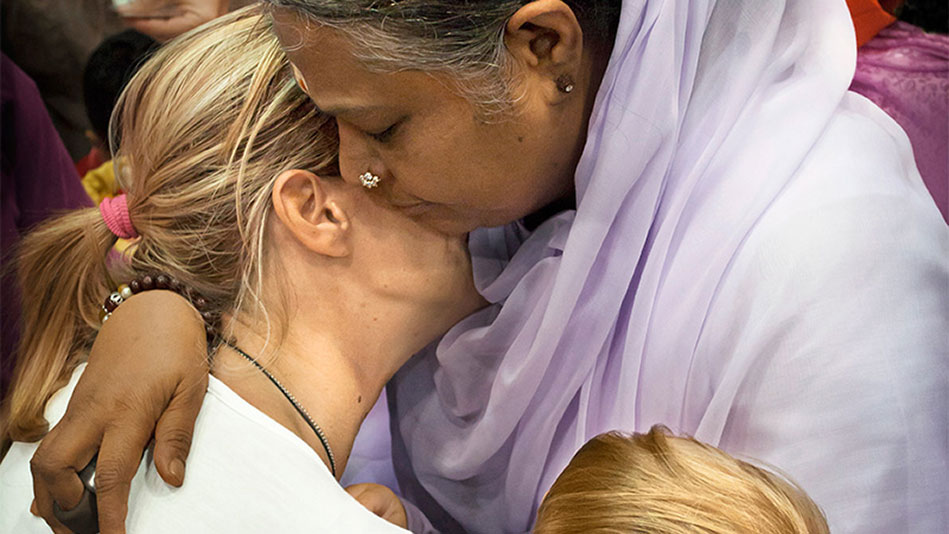
Amma's profound assertion that "even a small act of kindness can change the world" invites us to reconsider the significance of our everyday actions. In a world often overshadowed by chaos and division, this statement serves as a gentle reminder of the power inherent in simple gestures of compassion. It emphasizes that the smallest acts, often overlooked, possess the potential to create ripples of change that extend far beyond our immediate surroundings. The stakes are high; in recognizing the value of kindness, we can cultivate a more harmonious existence, both personally and collectively.
Delving deeper into this sentiment, we find that kindness is not merely an act but a state of being that resonates with the essence of our shared humanity. It is a bridge that connects us, transcending barriers of culture, language, and belief. When we engage in acts of kindness, we not only uplift others but also transform ourselves, fostering a sense of belonging and purpose. This interconnectedness is vital in a time when isolation and disconnection are prevalent, reminding us that even the smallest gesture can ignite a profound transformation in the world around us.
The image / the metaphor
At its core, Amma's quote conjures an image of a pebble dropped into a still pond, creating ripples that expand outward, touching the farthest edges of the water's surface. The choice of the word "small" emphasizes that size does not diminish impact; rather, it highlights the idea that every action, no matter how seemingly insignificant, carries the potential for profound change. The verbs "can change" suggest possibility and hope, inviting us to engage actively in the world rather than remain passive observers. This imagery evokes a felt sense of warmth and connection, reminding us that kindness is a universal language understood by all.
Diving deeper into the metaphor, we can see that the act of kindness is akin to a seed planted in fertile soil. While the seed may appear small and unassuming, with time, care, and nurturing, it can grow into a mighty tree, providing shelter and sustenance to countless beings. This understanding encourages us to view our actions through a lens of potential, recognizing that what may seem trivial in the moment can blossom into something extraordinary. The metaphor of growth also speaks to the cyclical nature of kindness; as we extend compassion to others, we cultivate an environment where kindness flourishes, creating a community rooted in love and understanding.
In the speaker's tradition
Amma's teachings are deeply rooted in the tradition of bhakti, which emphasizes devotion and love as pathways to spiritual realization. Within this framework, acts of kindness are not merely ethical imperatives but expressions of divine love and connection. The concept of dharma, or righteous duty, plays a crucial role here; by performing acts of kindness, we align ourselves with our higher purpose and contribute to the greater good. This alignment fosters a sense of unity with all beings, echoing the principles of sunyata, or emptiness, which teaches us that our separateness is an illusion and that we are all interconnected.
In the Bhagavad Gita, a foundational text in the bhakti tradition, we find the notion that selfless action, performed without attachment to the fruits of one's labor, leads to liberation. This aligns beautifully with Amma's message; when we engage in acts of kindness without expectation, we not only uplift others but also free ourselves from the confines of ego and desire. The Gita's teachings remind us that every small act, when infused with love and intention, contributes to the tapestry of existence, weaving threads of compassion and understanding into the fabric of our shared reality.
Living the teaching
Consider a modern scenario where this teaching can take root: a busy commuter on a crowded train who offers their seat to an elderly person. This small act of kindness, while seemingly inconsequential in the grand scheme of life, can profoundly impact the recipient's day. It may inspire gratitude, foster a sense of community, and even encourage others to engage in similar acts. Such moments remind us that kindness is not reserved for grand gestures; it is woven into the fabric of our daily interactions, waiting for us to recognize and embrace it.
In a different context, imagine a challenging moment in a relationship where misunderstandings have created distance. A simple act of kindness—offering a sincere compliment or expressing appreciation—can serve as a bridge to healing. By choosing to respond with kindness rather than defensiveness, we open the door to dialogue and connection, allowing love to flow back into the relationship. This practice of kindness, even in difficult times, reinforces the idea that our actions hold the power to transform not only our own experiences but also the lives of those around us.
A reflection
As we contemplate Amma's wisdom, we are invited to reflect on the nature of our own actions. How can we embody kindness in our daily lives, even in the smallest of ways? Consider the ripple effect of your actions—what small gesture can you offer today that may create waves of change in the world? By embracing this contemplative question, we can begin to recognize the profound impact of our choices, nurturing a spirit of kindness that has the potential to transform not only our own lives but the world at large.