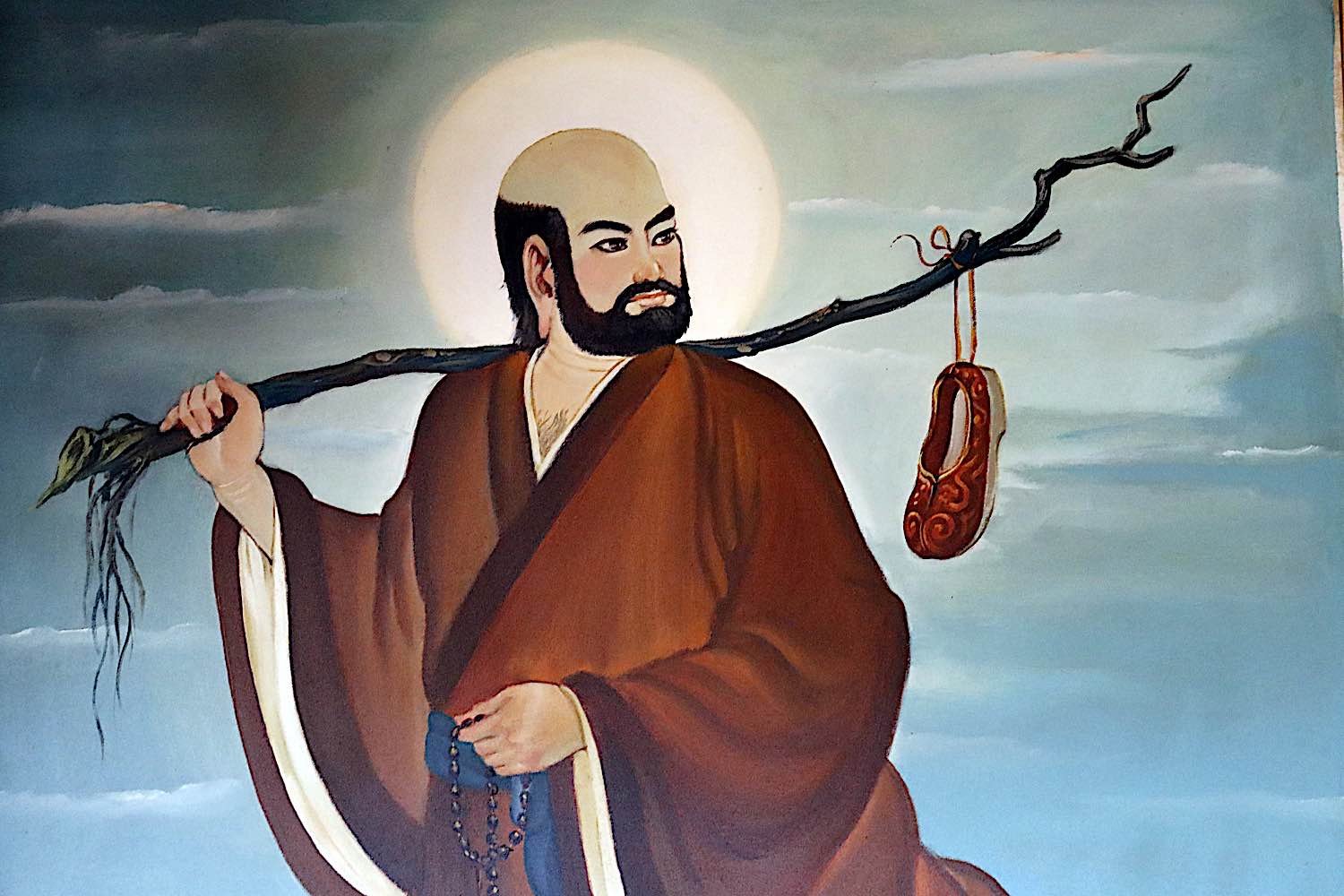
In the profound words of Bodhidharma, "All buddhas in all directions sit upon this seat." This statement invites us to reflect on the essence of unity within the vast expanse of existence. It suggests that every enlightened being, regardless of time or space, shares a common ground—a metaphorical seat that transcends individual identities and experiences. Understanding this unity is not merely an intellectual exercise; it is a call to recognize our interconnectedness and the shared journey toward enlightenment.
As we delve deeper into this quote, we uncover layers of meaning that resonate with the core of Zen practice. The notion of a "seat" implies a place of stability and presence, where all buddhas—those who have awakened to the truth of existence—gather. This gathering is not physical but rather a spiritual convergence, a reminder that enlightenment is not an isolated achievement but a collective experience. In this light, Bodhidharma's words challenge us to consider how we relate to one another and to the world around us, urging us to cultivate a sense of belonging within the larger tapestry of life.
The image / the metaphor
The imagery of "sitting upon this seat" evokes a sense of calm and groundedness. Sitting, in the context of Zen, is often associated with meditation—a practice that encourages stillness and introspection. The act of sitting suggests a pause, a moment to reflect on the nature of existence and our place within it. The choice of the word "seat" further emphasizes a sense of belonging, as if to say that all buddhas, regardless of their unique paths, share a common foundation from which they arise.
Diving deeper into the metaphor, we can see that this seat represents not just a physical space but a state of being. It embodies the qualities of awareness, compassion, and wisdom that characterize the enlightened mind. The idea that all buddhas sit upon this seat invites us to recognize that enlightenment is not a solitary endeavor; rather, it is a shared experience that connects us to all beings. This interconnectedness is a fundamental aspect of the Buddhist understanding of reality, where the boundaries between self and other dissolve, revealing the unity of existence.
In the speaker's tradition
Bodhidharma, the founder of Zen Buddhism, emphasized direct experience and the realization of one's true nature. His teachings often revolved around concepts such as dharma, the path of truth, and prajna, or wisdom. In this context, the "seat" can be seen as a metaphor for the realization of one's own buddha-nature, the inherent potential for enlightenment that exists within every individual. This aligns with the Zen practice of koan contemplation, where practitioners engage with paradoxical statements to transcend ordinary thinking and awaken to deeper truths.
In Bodhidharma's teachings, we also find echoes of the concept of sunyata, or emptiness, which suggests that all phenomena are interconnected and devoid of inherent existence. The idea that "all buddhas in all directions" share this seat reflects the understanding that enlightenment is not confined to a single individual but is accessible to all. This perspective resonates with the teachings found in the Heart Sutra, which states, "Form is emptiness, emptiness is form," highlighting the unity of all beings in the pursuit of awakening.
Living the teaching
Consider a modern scenario where this teaching finds relevance: a workplace filled with diverse individuals, each with their own backgrounds and experiences. In such an environment, the notion that "all buddhas sit upon this seat" encourages us to foster a sense of unity and collaboration. By recognizing the inherent value in each person's perspective, we create a space where collective wisdom can flourish. This understanding can transform conflicts into opportunities for growth, as we learn to appreciate the shared journey of striving for excellence together.
In our personal relationships, the teaching also holds profound implications. Imagine a moment of tension with a loved one, where misunderstandings arise and emotions run high. By recalling Bodhidharma's words, we can approach the situation with a sense of compassion and awareness, recognizing that both parties are seated upon the same metaphorical seat of buddha-nature. This perspective allows us to transcend our differences and engage in open dialogue, fostering deeper connections and healing within our relationships.
A reflection
As we contemplate Bodhidharma's profound statement, we are invited to reflect on our own experiences of unity and interconnectedness. How do we recognize the "seat" of buddha-nature in ourselves and others? In what ways can we cultivate a deeper sense of belonging within our communities and relationships? These questions serve as a guiding light, encouraging us to explore the depths of our shared humanity and the potential for awakening that resides within us all.
