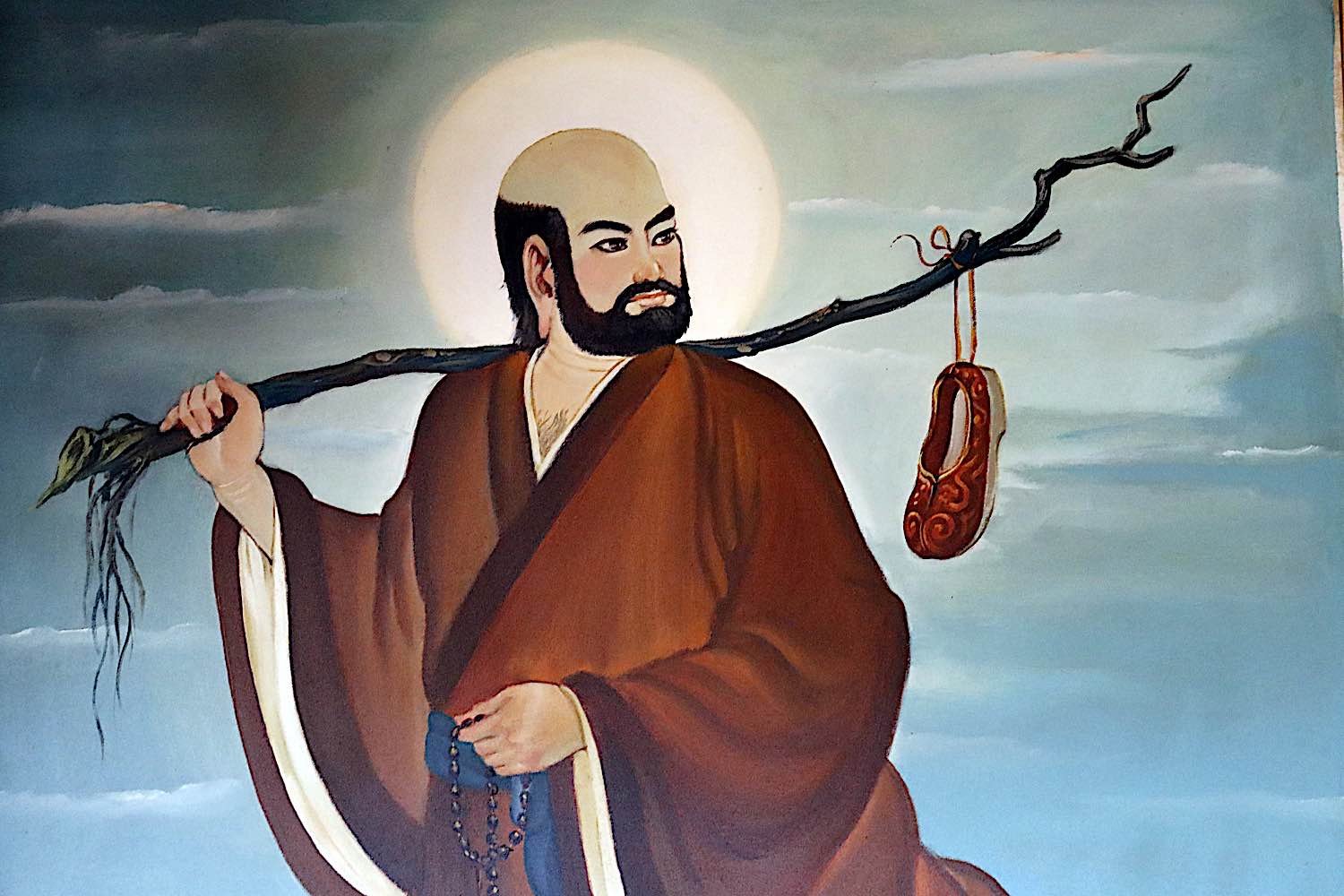
Bodhidharma's assertion that "In the stillness of mind, all confusions resolve" invites us to explore the profound relationship between mental stillness and clarity. In a world rife with distractions and incessant noise, this quote serves as a gentle reminder of the power of inner silence. It suggests that when we cultivate a tranquil mind, we can untangle the knots of confusion that often cloud our judgment and understanding. This teaching is not merely philosophical; it is a practical guide for navigating the complexities of life.
Delving deeper, we recognize that the essence of Bodhidharma's wisdom lies in the transformative potential of stillness. In moments of quietude, we can confront our thoughts and emotions without the interference of external chaos. This stillness is not a passive state; rather, it is an active engagement with our inner landscape, allowing us to sift through the noise and arrive at a place of resolution. The stakes are high: in our fast-paced lives, the ability to find clarity amidst confusion can lead to more thoughtful decisions and a deeper sense of peace.
The image / the metaphor
The imagery in Bodhidharma's quote evokes a serene landscape, where the mind is likened to a still pond, reflecting the clarity of the sky above. The verbs "resolve" and "confusions" suggest a dynamic process of transformation, where the chaotic thoughts that swirl within us can settle and give way to insight. This metaphor of stillness implies that clarity is not something we chase after; rather, it is a natural state that emerges when we allow our minds to quiet. In this stillness, the waters of our consciousness become clear, revealing the underlying truths that often elude us.
In the speaker's tradition
Bodhidharma, the founder of Zen Buddhism, emphasizes the importance of direct experience and personal insight in the pursuit of enlightenment. His teachings resonate with the concept of dharma, which refers to the natural order of the universe and our place within it. In Zen, the practice of meditation serves as a means to cultivate this stillness, allowing practitioners to encounter the essence of their being. This journey towards clarity is also reflected in the notion of sunyata, or emptiness, which invites us to let go of attachments and preconceived notions that cloud our perception.
In the context of Zen texts, Bodhidharma's insights echo the teachings found in the "Heart Sutra," which articulates the idea that form is emptiness and emptiness is form. This paradoxical statement invites us to recognize that our confusions often arise from rigid attachments to thoughts and beliefs. By embracing the stillness of mind, we can penetrate the illusion of separation and discover the interconnectedness of all things, leading to a profound resolution of our inner conflicts.
Living the teaching
Consider a modern scenario where the teaching of stillness can be applied: imagine a busy professional overwhelmed by deadlines and responsibilities. In the midst of this chaos, the individual may feel paralyzed by indecision and anxiety. By intentionally carving out moments of stillness—perhaps through meditation or mindful breathing—this person can create a sanctuary within themselves. In this quiet space, they can reflect on their priorities, allowing the noise of external pressures to fade away, ultimately leading to clearer decision-making and a sense of empowerment.
Another application of this teaching can be found in interpersonal relationships. During conflicts, emotions can run high, leading to misunderstandings and hurt feelings. By practicing stillness—taking a moment to breathe and center oneself before responding—individuals can approach the situation with greater clarity and compassion. This pause allows for a deeper understanding of both one's own feelings and those of the other person, fostering resolution and healing rather than escalation.
A reflection
As we contemplate Bodhidharma's profound insight, we are invited to consider: What confusions in our lives might dissolve if we embraced the practice of stillness? This question encourages us to reflect on the areas where we feel overwhelmed or uncertain, prompting us to explore how cultivating a quiet mind could lead to greater clarity and peace. In this inquiry, we may find the seeds of transformation, nurturing our ability to navigate life's complexities with grace and wisdom.
