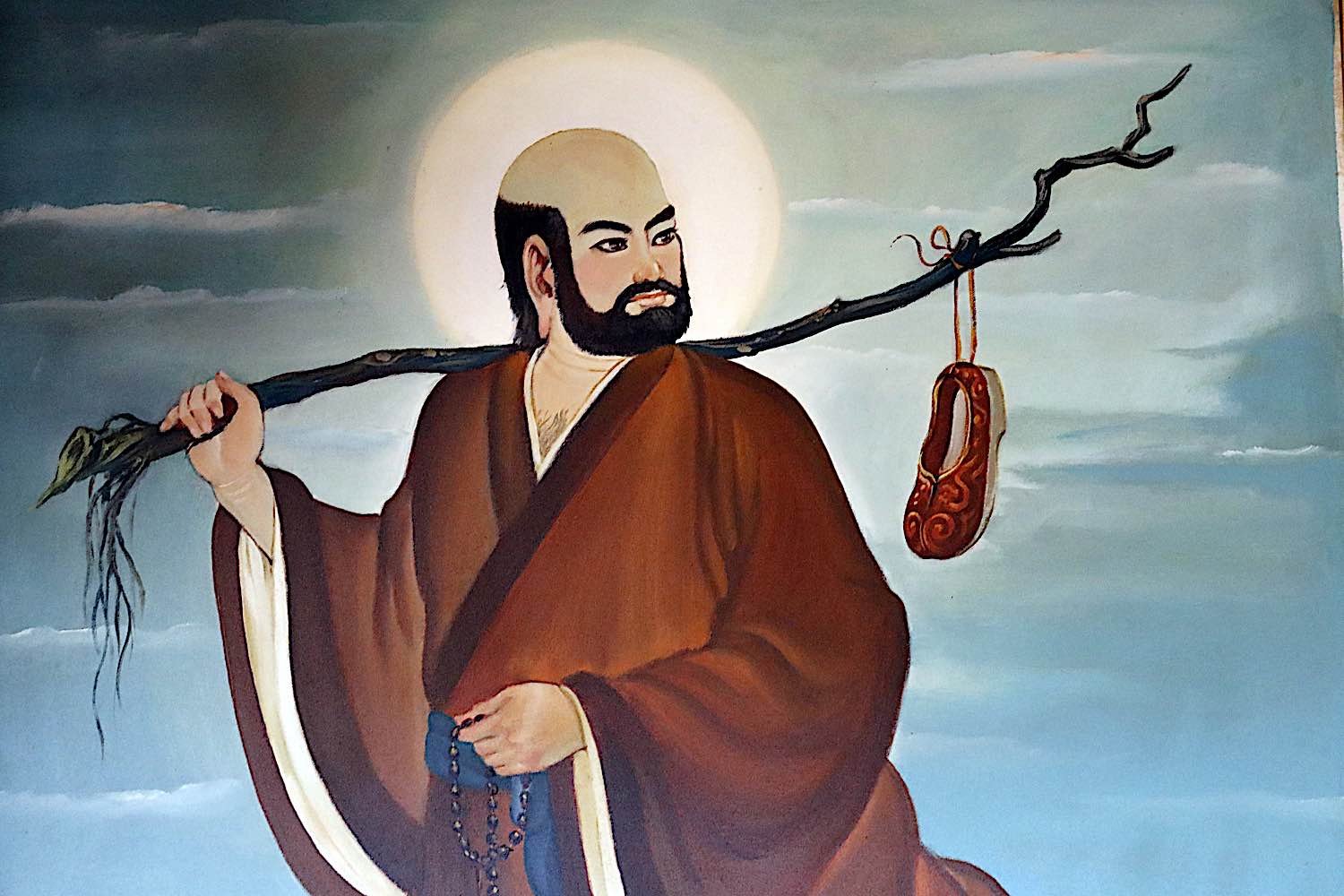
Awakening to the Essence of Being
Bodhidharma's assertion, "Seeing your nature is buddha," invites us to explore the profound realization that our true essence is inherently enlightened. This statement encapsulates the essence of Zen practice, urging us to look beyond the distractions of the mind and the illusions of the self. In a world filled with noise and confusion, understanding our nature becomes a pivotal journey toward awakening, revealing the buddha that resides within each of us. This realization is not merely an intellectual exercise; it is a transformative experience that can alter the course of our lives.
To see one's nature is to engage in a deep and often challenging introspection that transcends conventional understanding. It requires a willingness to peel back the layers of conditioning, beliefs, and fears that obscure our true selves. In this light, Bodhidharma's words resonate as a call to authenticity, inviting us to embrace our inherent wisdom and compassion. The stakes are high; the journey toward self-realization is fraught with obstacles, yet it is also the path to liberation and peace.
The image / the metaphor
The imagery in Bodhidharma's quote evokes a sense of clarity and directness. "Seeing" implies an active engagement, a conscious act of perception that goes beyond mere observation. It suggests a deep, penetrating awareness that cuts through the fog of ignorance and delusion. The term "nature" refers not to a superficial identity but to the fundamental essence of who we are—our buddha-nature, which is unconditioned and eternal. This act of seeing is not passive; it is a dynamic unfolding of insight that reveals the interconnectedness of all existence.
In the speaker's tradition
Bodhidharma, the founder of Zen Buddhism, emphasized the importance of direct experience and personal realization over theoretical knowledge. His teachings resonate with the concept of dharma, which encompasses the truth of existence and the path to enlightenment. In Zen, the idea of kenosis—self-emptying—aligns with the notion of seeing one's nature, as it requires letting go of preconceived notions and attachments. This journey toward self-realization is also intertwined with the concept of sunyata, or emptiness, which teaches that our true nature is not separate from the universe but is an integral part of the whole.
In the context of Bodhidharma's teachings, we can draw parallels with the Heart Sutra, which states, "Form is emptiness, emptiness is form." This profound text invites us to see beyond dualistic thinking and recognize the interdependence of all phenomena. Just as the sutra encourages us to embrace the emptiness that underlies all forms, Bodhidharma's quote urges us to recognize the buddha-nature that exists within us, waiting to be unveiled through the act of seeing.
Living the teaching
Consider a modern scenario where the teaching of "seeing your nature" can be applied: a person grappling with self-doubt in their professional life. They may feel overwhelmed by the expectations of others and the pressures of success, leading to a disconnection from their true self. By engaging in contemplative practices such as meditation or mindful reflection, they can begin to peel back the layers of self-judgment and societal conditioning. In this space of stillness, they may come to see that their worth is not defined by external achievements but by their inherent qualities of kindness, creativity, and resilience.
Another application of this teaching can be found in interpersonal relationships. Imagine a moment of conflict with a loved one, where misunderstandings and hurt feelings cloud the connection. By taking a step back and practicing self-awareness, one can begin to see their own reactions and triggers, recognizing how they contribute to the discord. This process of seeing one's nature allows for greater empathy and understanding, paving the way for healing and deeper connection. In this way, the realization of our buddha-nature becomes a transformative force, not only for ourselves but for those around us.
A reflection
As we contemplate Bodhidharma's profound statement, we are invited to reflect on our own journey of self-discovery. What does it mean for you to "see your nature"? In what ways might you be obscured by the layers of expectation, fear, or misunderstanding? This inquiry is not merely an intellectual exercise but a heartfelt exploration that can lead to deeper insight and connection with your true self. As you engage with this question, may you find the courage to embrace the buddha that resides within you, illuminating your path toward awakening.
