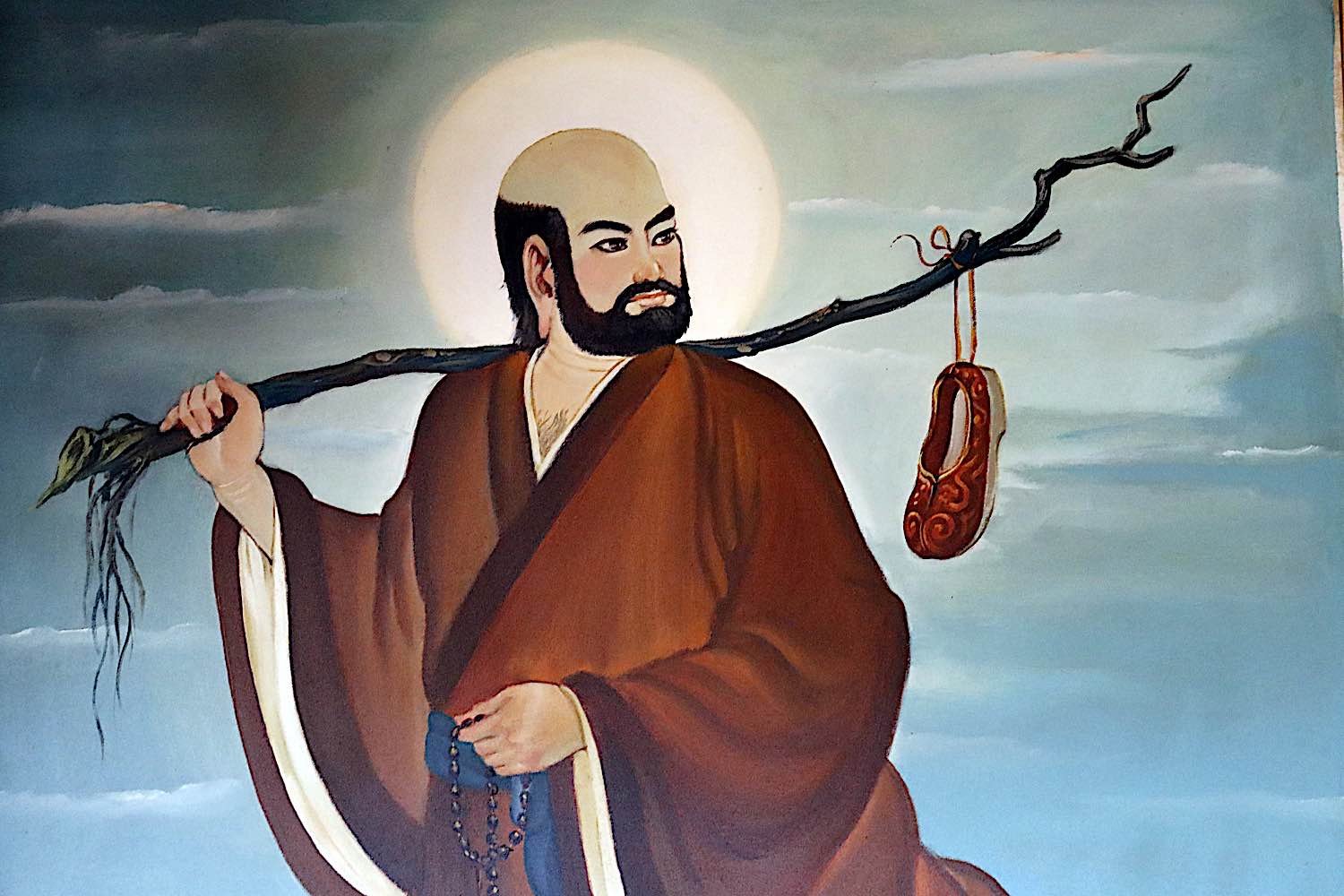
Bodhidharma's succinct instruction, "Sit straight, breathe naturally, attend," serves as a profound invitation to engage with the present moment. In this simple yet powerful directive, he encapsulates the essence of zazen, or seated meditation, which is central to Zen practice. The stakes of this teaching are high; in a world often characterized by distraction and chaos, the ability to sit with intention and awareness can lead to profound insights and a deeper understanding of oneself and the nature of reality.
This quote invites us to consider the interplay between posture, breath, and attention. Each element is not merely a physical act but a gateway to a more profound spiritual experience. By sitting straight, we align our bodies and minds, creating a vessel for clarity. Breathing naturally connects us to the rhythm of life, while attending—fully engaging with the present moment—opens the door to awareness and insight. In this way, Bodhidharma offers a roadmap for navigating the complexities of existence through the simplicity of mindful practice.
The image / the metaphor
The imagery in Bodhidharma's quote is strikingly vivid. "Sit straight" evokes a sense of groundedness and stability, suggesting that our physical posture can influence our mental state. The act of sitting straight is not merely about physical alignment; it symbolizes a commitment to presence and an invitation to cultivate inner strength. "Breathe naturally" further emphasizes the importance of connecting with our breath, which serves as a bridge between body and mind. Finally, "attend" calls us to engage fully with our experience, to be present and aware, rather than lost in thought or distraction.
In the speaker's tradition
Within the context of Zen Buddhism, Bodhidharma's teaching resonates deeply with the concepts of dharma and prajna. Dharma refers to the natural order of the universe and our place within it, while prajna signifies the wisdom that arises from direct experience. By sitting straight, breathing naturally, and attending to the present moment, we align ourselves with the dharma, allowing the wisdom of prajna to emerge. This practice of zazen is not merely a technique but a way of engaging with the world that fosters insight and understanding.
In the "Outline of Practice," Bodhidharma emphasizes the importance of direct experience over intellectual understanding. This echoes the teachings found in other Zen texts, such as the "Heart Sutra," which speaks to the concept of sunyata, or emptiness. Just as the Heart Sutra invites us to see beyond the illusions of form and duality, Bodhidharma's instruction encourages us to strip away distractions and engage with the essence of our being. Both teachings remind us that true understanding arises not from conceptual thinking but from the direct experience of reality as it is.
Living the teaching
Consider a modern scenario where Bodhidharma's teaching can be applied: a busy professional navigating the demands of a hectic workday. In the midst of meetings, deadlines, and constant notifications, the simple act of sitting straight, breathing naturally, and attending to the present moment can serve as a powerful anchor. By taking a few moments to pause, align the body, and focus on the breath, one can cultivate a sense of calm and clarity, allowing for more thoughtful responses rather than reactive behaviors. This practice can transform the experience of work from a series of tasks to an opportunity for mindful engagement.
In the realm of relationships, Bodhidharma's instruction can also provide valuable guidance. Imagine a difficult conversation with a loved one, where emotions run high and misunderstandings abound. By embodying the principles of sitting straight, breathing naturally, and attending, one can create a space for open communication. This mindful approach allows for deeper listening and a more compassionate exchange, fostering connection rather than conflict. In this way, the teachings of Zen can illuminate the path to more meaningful and authentic relationships.
A reflection
As we contemplate Bodhidharma's instruction, we are invited to reflect on our own practices of presence. How often do we find ourselves caught in the whirlwind of life, distracted by thoughts and external stimuli? In what ways can we cultivate a more mindful approach to our daily experiences? Consider this contemplative question: What does it mean for you to "sit straight, breathe naturally, and attend" in your own life, and how might this practice transform your relationship with yourself and the world around you?
