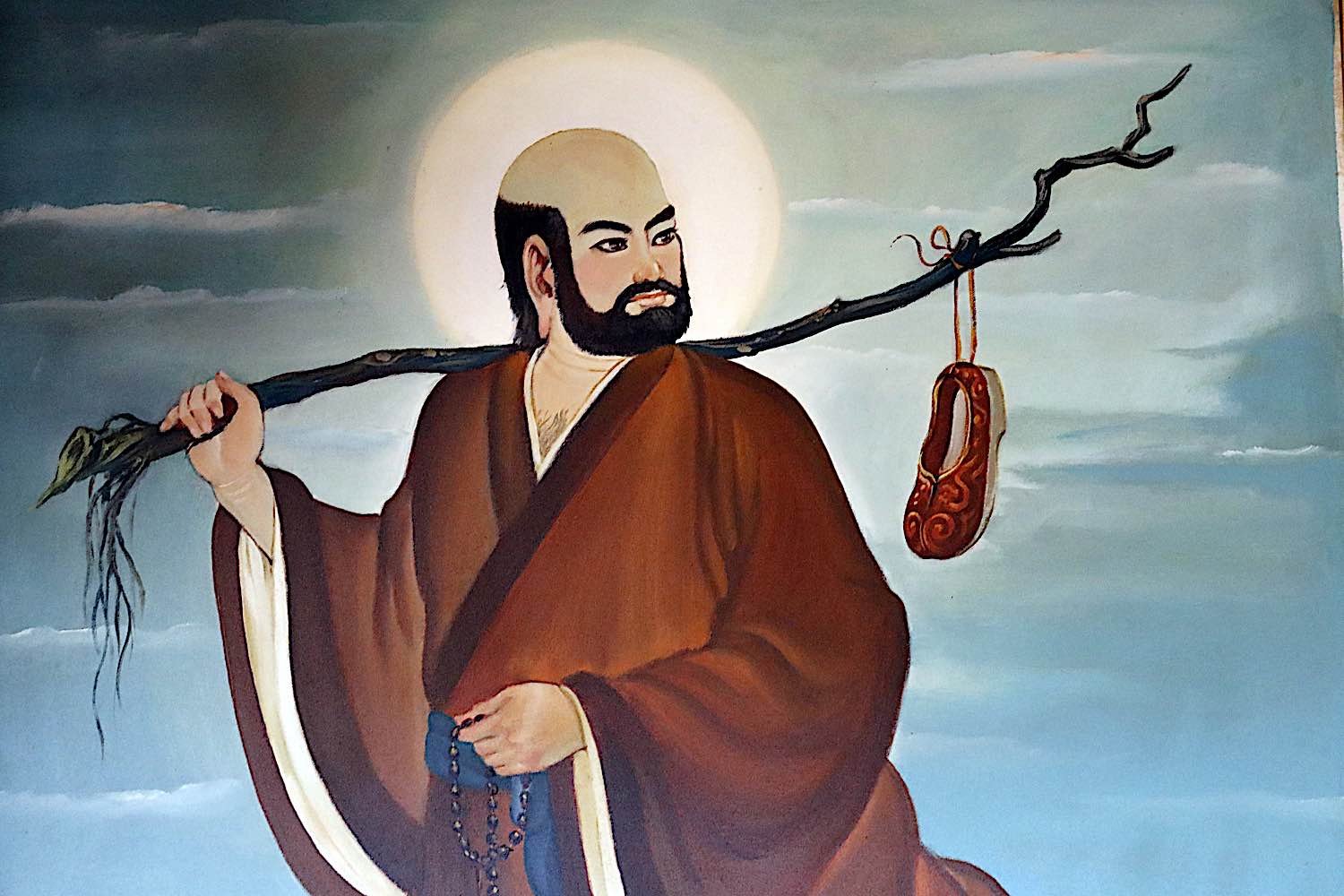
The quote "The essence is your own awakened nature" by Bodhidharma invites us to explore the profound depths of our being, suggesting that our true nature is not something external or distant, but rather an intrinsic quality waiting to be recognized. This assertion holds significant implications for our spiritual journey, as it emphasizes the importance of awakening to the essence of who we truly are. In a world often filled with distractions and illusions, understanding this essence becomes a vital pursuit, guiding us toward a more authentic existence.
Delving deeper, Bodhidharma's words challenge us to reconsider our perceptions of self and identity. They prompt us to look beyond the superficial layers of our personality and societal roles, urging us to connect with the fundamental nature that resides within us all. This awakening is not merely an intellectual exercise; it is a transformative experience that can lead to profound insights and a more compassionate way of living. The essence of our being, as Bodhidharma suggests, is a source of wisdom and clarity that can illuminate our path through life's complexities.
The image / the metaphor
At first glance, the phrase "your own awakened nature" evokes a sense of personal ownership and responsibility. The term "essence" suggests a core quality that defines us, while "awakened" implies a state of realization or enlightenment. This imagery conjures a vision of a dormant seed that, when nurtured, blossoms into a vibrant flower, symbolizing the potential within each individual to awaken to their true self. The verbs chosen here—"is" and "awakened"—imply a state of being that is both present and dynamic, inviting us to engage actively in our spiritual journey.
Going deeper, the metaphor of awakening speaks to the process of shedding layers of conditioning and illusion that obscure our true nature. It suggests that our essence is not something to be created or acquired, but rather something to be uncovered and embraced. This journey of awakening is akin to peeling away the layers of an onion, revealing the pure, unblemished core that lies at its heart. In this light, Bodhidharma's quote becomes a call to action, encouraging us to embark on a path of self-discovery and realization.
In the speaker's tradition
Bodhidharma, the founder of Zen Buddhism, emphasizes the concept of "buddha-nature," which posits that all beings possess an inherent potential for enlightenment. This idea aligns closely with the notion of "sunyata," or emptiness, suggesting that our essence is not fixed or limited by our experiences or identities. Instead, it is a dynamic quality that can be realized through practice and insight. The Zen tradition encourages practitioners to cultivate awareness and mindfulness, allowing them to connect with their true nature and experience the world from a place of clarity and compassion.
Living the teaching
Consider a modern scenario where this teaching can be applied: a busy professional feeling overwhelmed by the demands of work and life. In the midst of deadlines and responsibilities, one might lose sight of their true essence, becoming entangled in the roles they play. By taking a moment to pause and reflect on Bodhidharma's words, this individual can reconnect with their awakened nature, recognizing that their worth is not defined by their productivity but by their inherent qualities of compassion, creativity, and wisdom. This shift in perspective can lead to a more balanced approach to work and life, fostering a sense of peace amidst chaos.
In a different context, consider a relationship that has become strained due to misunderstandings and unspoken grievances. By embodying the essence of their awakened nature, individuals can approach each other with empathy and openness, seeking to understand rather than to be understood. This practice of mindful communication allows for healing and reconnection, as both parties recognize the shared humanity that lies beneath their differences. In this way, Bodhidharma's teaching becomes a guiding principle for navigating the complexities of human relationships, encouraging us to act from a place of authenticity and love.
A reflection
As we contemplate Bodhidharma's assertion that "the essence is your own awakened nature," we are invited to explore the depths of our being and the ways in which we can cultivate this awareness in our daily lives. What practices or reflections can help you connect with your true essence? Consider the moments when you feel most alive and authentic—what do they reveal about your awakened nature? This inquiry can serve as a powerful catalyst for personal growth and transformation, guiding us toward a more profound understanding of ourselves and our place in the world.
