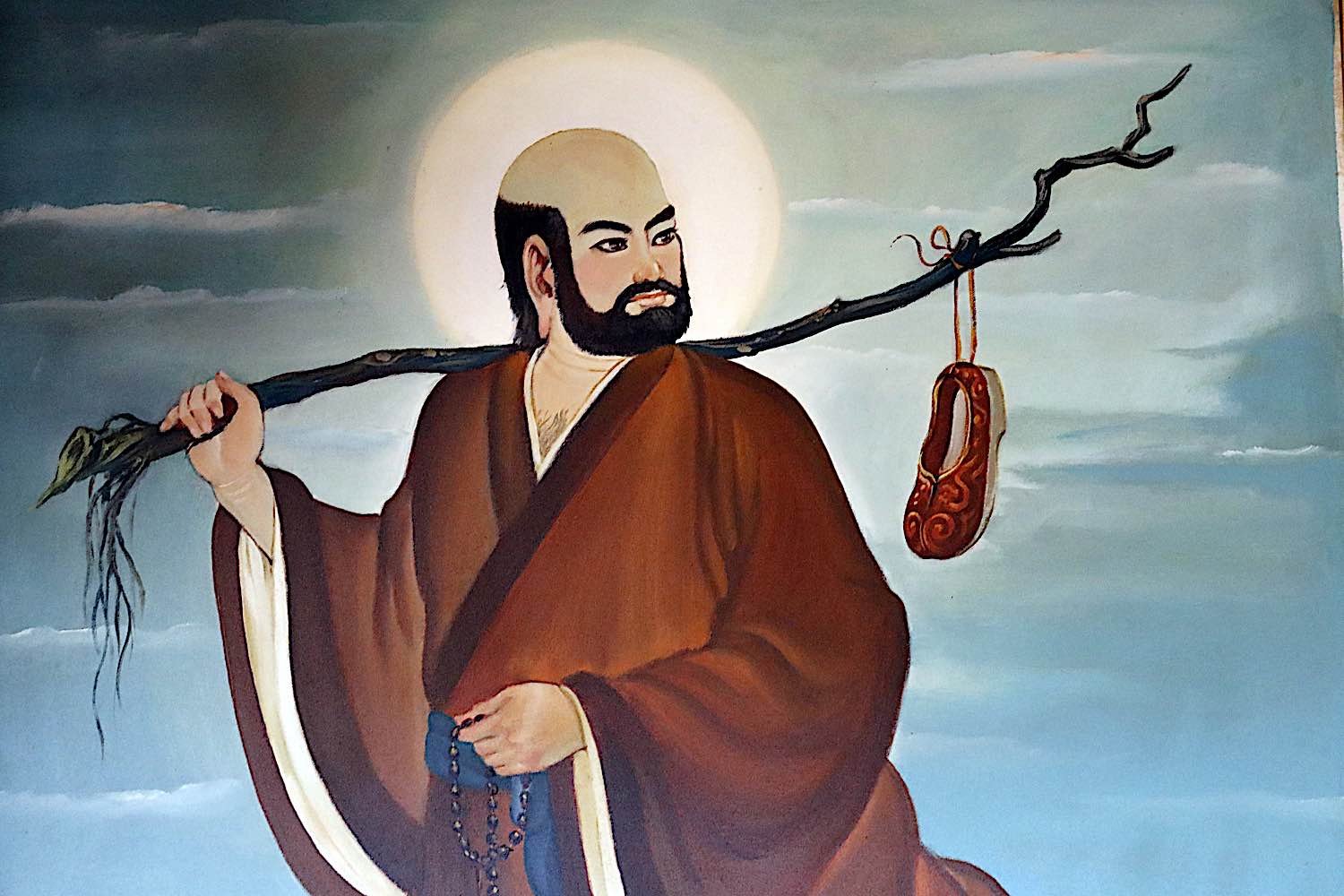
Bodhidharma's assertion that "there is no enlightenment to be reached apart from your own seeing" invites us to explore the profound relationship between perception and spiritual awakening. This statement emphasizes that enlightenment is not a distant goal to be attained through external means or teachings, but rather an intimate process of self-discovery and inner clarity. The stakes are high; in a world filled with distractions and external validations, the journey toward enlightenment demands a courageous commitment to looking within.
In a culture that often prioritizes external achievements and accolades, Bodhidharma's words serve as a gentle yet firm reminder that true understanding and enlightenment arise from our own direct experience. This teaching challenges us to cultivate a deeper awareness of our thoughts, emotions, and perceptions, urging us to engage in a process of introspection that leads to genuine insight. The path to enlightenment, as Bodhidharma suggests, is not paved with doctrines or dogmas but is illuminated by the clarity of our own seeing.
The image / the metaphor
The imagery in Bodhidharma's quote evokes a sense of personal responsibility and active engagement in the quest for enlightenment. The verb "seeing" is particularly significant; it implies not merely a passive observation but an active, discerning awareness that requires effort and intention. This kind of seeing transcends the superficial; it calls for a deep, penetrating gaze into the essence of our being, our thoughts, and the nature of reality itself. It is an invitation to peel back the layers of illusion and distraction that cloud our vision.
Diving deeper into the metaphor, we can understand "seeing" as a multifaceted process that encompasses both clarity and insight. It suggests a journey into the heart of our experiences, where we confront our fears, desires, and attachments. This act of seeing is akin to a form of meditation, where one cultivates a stillness of mind that allows for the emergence of deeper truths. In this light, enlightenment becomes less about reaching a destination and more about the ongoing practice of seeing clearly, moment by moment.
In the speaker's tradition
Bodhidharma, the legendary figure credited with bringing Zen Buddhism to China, emphasizes the importance of direct experience in the pursuit of enlightenment. This notion resonates deeply with the concept of "dharma," which refers to the path of truth and righteousness that one must follow. In Zen, enlightenment is often associated with "prajna," or wisdom, which arises from a direct, unmediated experience of reality. Bodhidharma's teaching underscores that this wisdom cannot be handed down or taught; it must be realized through one's own seeing.
In his seminal work, the "Bloodstream Sermon," Bodhidharma articulates the idea that the essence of enlightenment is found within oneself, echoing the teachings of other spiritual traditions that emphasize self-realization. For instance, the Sufi concept of "fana," or the annihilation of the self in the divine, parallels this idea of transcending the ego through personal insight. Both traditions highlight the necessity of inner work and the importance of personal experience in the journey toward spiritual awakening.
Living the teaching
Consider a modern scenario where this teaching might resonate: a person grappling with feelings of inadequacy in their career. They might seek validation through external achievements, promotions, or accolades, believing that these will bring them fulfillment. However, Bodhidharma's teaching invites them to pause and reflect on their own perceptions of self-worth. By turning inward and examining their beliefs and motivations, they may discover that true fulfillment comes not from external validation but from a deeper understanding of their own values and aspirations.
In the context of relationships, this teaching can manifest during moments of conflict. When faced with a disagreement, individuals often look outward for solutions, seeking advice from friends or family. However, Bodhidharma's insight encourages us to first look within, to examine our own feelings, triggers, and perceptions. By cultivating this inner awareness, we can approach the situation with greater clarity and compassion, ultimately leading to more authentic and meaningful connections with others.
A reflection
As we contemplate Bodhidharma's profound statement, we are invited to ask ourselves: What does it mean for me to truly see? This question encourages a deep exploration of our own perceptions and experiences, prompting us to consider how often we rely on external sources for validation or understanding. In the stillness of reflection, we may uncover the layers of our own seeing, leading us closer to the essence of enlightenment that resides within.
