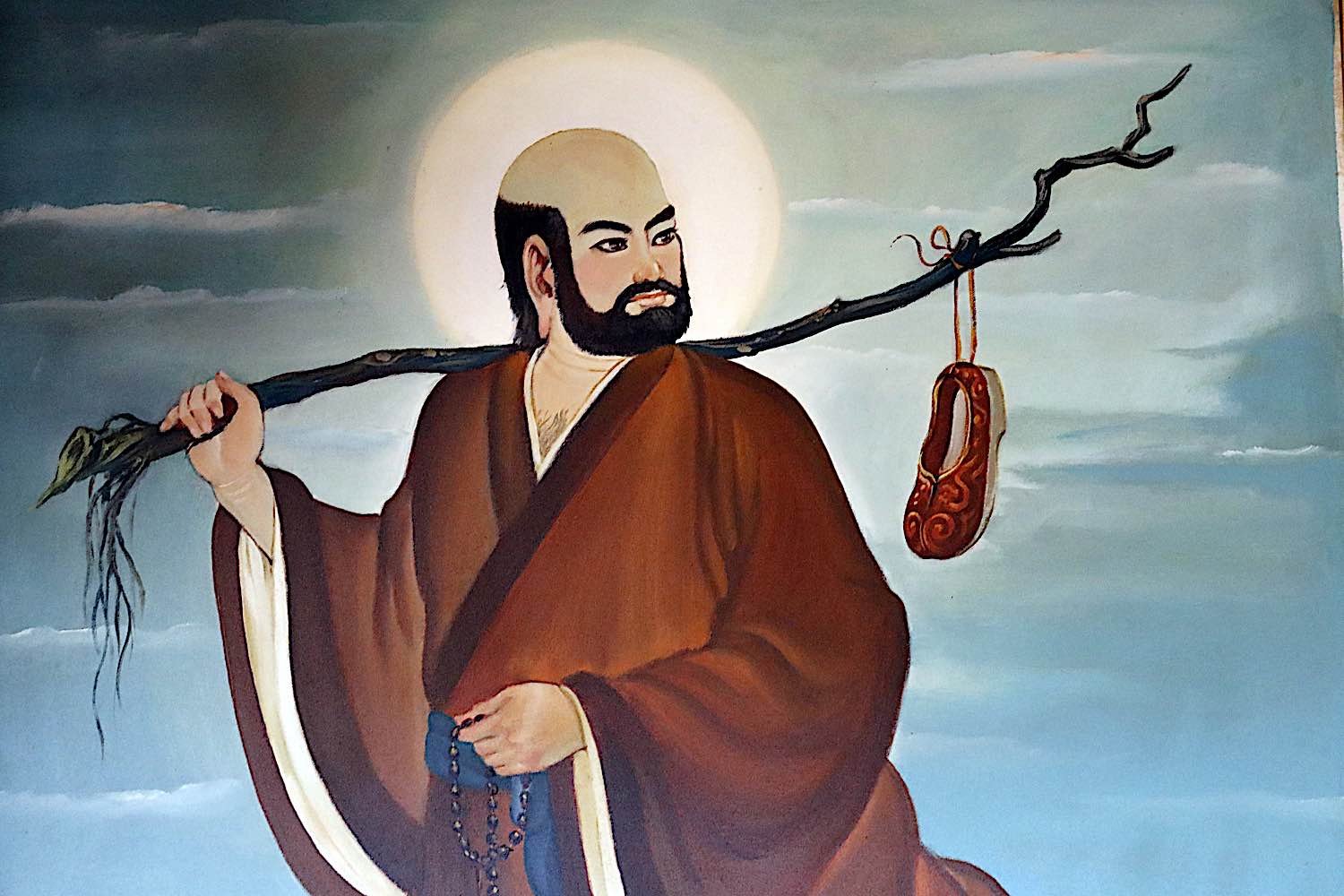
Seeing Beyond Delusion: The Essence of Clarity
Bodhidharma's assertion, "They are deluded only because they do not see this," invites us to reflect on the nature of perception and understanding. In a world rife with distractions and misconceptions, the ability to see clearly is paramount. This quote serves as a poignant reminder that delusion stems not from the external world but from our own inability to perceive reality as it is. The stakes are high; our lives, relationships, and spiritual journeys hinge on our capacity to awaken from this delusion and embrace a more profound clarity.
Delusion, in this context, is not merely a lack of knowledge but a deeper blindness to the essence of our existence. Bodhidharma, the founder of Zen Buddhism, challenges us to look beyond the surface and recognize the truths that lie beneath. This call to awareness is not just an intellectual exercise; it is a transformative journey that requires courage and commitment. To truly see is to engage with the world authentically, fostering a connection that transcends superficial understanding.
The image / the metaphor
The imagery in Bodhidharma's quote evokes a sense of awakening, as if we are emerging from a fog that has clouded our vision. The verb "see" is central here, suggesting an active engagement with reality rather than a passive acceptance of appearances. This seeing is not merely about visual perception; it encompasses a deeper insight into the nature of our thoughts, emotions, and experiences. The notion of delusion implies a veil that obscures our understanding, and the act of seeing is akin to lifting that veil, allowing clarity to permeate our consciousness.
Diving deeper into the metaphor, we can consider the implications of "delusion" as a state of being trapped in a limited perspective. It suggests a kind of imprisonment within our own minds, where preconceived notions and biases distort our view of reality. The journey toward clarity is thus one of liberation, where we free ourselves from the shackles of ignorance and open ourselves to the vastness of existence. This metaphor resonates with the Zen practice of mindfulness, where the goal is to cultivate an awareness that transcends habitual thought patterns and reveals the true nature of our experience.
In the speaker's tradition
Bodhidharma's teachings are deeply rooted in the Zen tradition, which emphasizes direct experience and the importance of seeing things as they truly are. Central to this tradition is the concept of *prajna*, or wisdom, which arises from a clear understanding of reality. This wisdom is not merely intellectual but experiential, cultivated through practices such as meditation and mindful awareness. In Zen, the path to enlightenment involves a process of *kenosis*, or self-emptying, where one relinquishes attachments and preconceived notions to embrace the present moment fully.
In the *Bloodstream Sermon*, Bodhidharma articulates the essence of Zen practice as a means to awaken from delusion. He emphasizes that true understanding comes not from external teachings but from an inner realization that transcends words. This aligns with the Buddhist concept of *sunyata*, or emptiness, which invites practitioners to see beyond the dualities of existence and recognize the interconnectedness of all things. By embracing this emptiness, we can begin to dissolve the barriers that separate us from a clear perception of reality.
Living the teaching
Consider a modern scenario where this teaching resonates: a person grappling with anxiety about their future. In this state of mind, they may become ensnared in a web of worries and fears, unable to see the present moment clearly. Bodhidharma's insight encourages them to pause and cultivate awareness, recognizing that their delusion stems from an inability to see the richness of the now. By practicing mindfulness, they can begin to unravel the layers of anxiety, allowing clarity to emerge and revealing the beauty of their current experience.
Another application of this teaching can be found in interpersonal relationships. Imagine a conflict arising between friends, where misunderstandings and assumptions cloud their communication. Each party may be operating under their own delusions, failing to see the other's perspective. Bodhidharma's wisdom invites them to engage in open dialogue, fostering a space for genuine understanding. By stepping back and seeking clarity, they can dissolve the delusions that separate them, paving the way for deeper connection and empathy.
A reflection
As we contemplate Bodhidharma's profound statement, we are invited to ask ourselves: What delusions am I holding onto that prevent me from seeing clearly? This question serves as a catalyst for introspection, encouraging us to examine our beliefs, biases, and habitual thought patterns. In the pursuit of clarity, may we find the courage to confront our delusions and embrace the transformative power of seeing things as they truly are.
