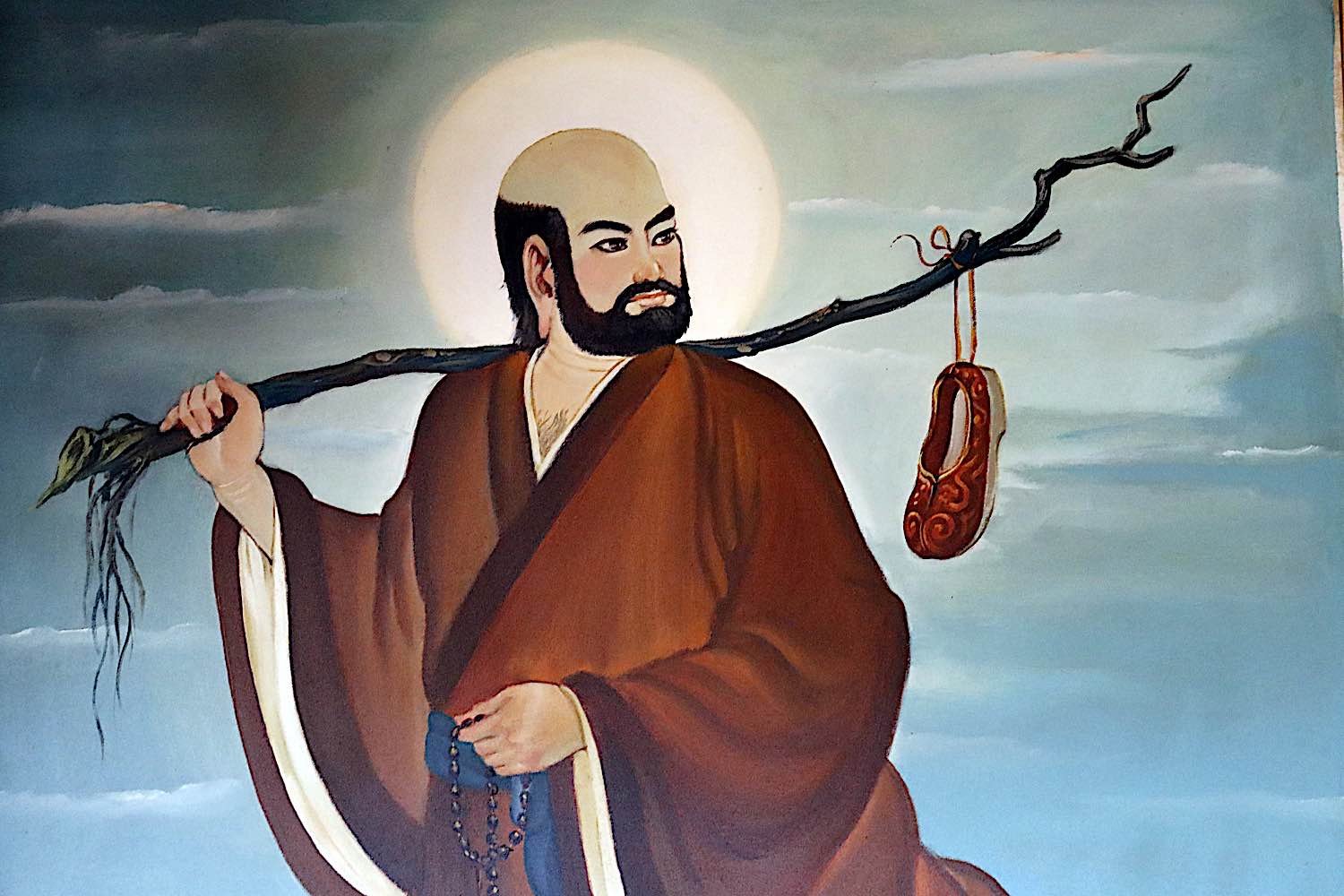
Embracing Adversity: The Path to Equanimity
Bodhidharma's profound assertion, "This adversity is the result of past karma; bear it with equanimity," invites us to reflect deeply on the nature of our experiences and the weight of our past actions. In a world where suffering often feels arbitrary and overwhelming, this quote serves as a reminder that our present challenges are not mere accidents but rather the fruits of our previous deeds. Understanding this connection between karma and our current circumstances can empower us to approach adversity with a sense of calm and acceptance, rather than resistance or despair.
As we navigate the complexities of life, the notion of equanimity becomes essential. It is not simply about enduring hardship but cultivating a balanced mind that remains undisturbed by external circumstances. Bodhidharma's wisdom encourages us to recognize that our responses to adversity shape our future karma, thus inviting us to engage with our suffering in a way that fosters growth and understanding. This perspective transforms our relationship with difficulty, allowing us to see it as an opportunity for spiritual development rather than a burden to bear.
The image / the metaphor
The imagery in Bodhidharma's quote evokes a sense of weight and gravity, suggesting that adversity is not a fleeting inconvenience but a significant consequence of our past actions. The verb "bear" implies a certain resilience, a steadfastness in the face of challenges that can feel overwhelming. This notion of bearing adversity with equanimity conjures an image of a tree standing firm against the storm, its roots deep in the earth, unyielding yet flexible. Such imagery invites us to consider how we might cultivate a similar strength and adaptability in our own lives.
Diving deeper into the metaphor, we can see that "equanimity" is not a passive acceptance but an active engagement with our experiences. It suggests a profound inner peace that arises from understanding the transient nature of both suffering and joy. By recognizing that our current adversities are the result of past karma, we can approach them with a sense of curiosity rather than fear. This shift in perspective allows us to see challenges as teachers, guiding us toward greater wisdom and compassion.
In the speaker's tradition
Bodhidharma, a pivotal figure in Zen Buddhism, emphasizes the interconnectedness of karma and our present experiences. In the Zen tradition, the concept of dharma plays a crucial role, representing the natural order of the universe and our place within it. By acknowledging that our adversities stem from past actions, we align ourselves with the principle of karma, which teaches that every action has consequences. This understanding invites us to practice kenosis, or self-emptying, allowing us to release attachments to our suffering and embrace the present moment with clarity.
Moreover, Bodhidharma's teachings resonate with the concept of sunyata, or emptiness, which suggests that our perceptions of self and suffering are often illusions. In recognizing the impermanent nature of our experiences, we can cultivate a sense of detachment that fosters equanimity. Texts such as the "Heart Sutra" echo this sentiment, reminding us that form and emptiness are interwoven, and that true understanding arises from seeing beyond the dualities of pleasure and pain, success and failure.
Living the teaching
Consider a modern scenario where this teaching might resonate: a professional setback, such as losing a job or facing criticism at work. In such moments, it is easy to succumb to feelings of inadequacy or despair. However, by reflecting on Bodhidharma's wisdom, one might recognize that this adversity is not merely a random misfortune but a manifestation of past actions and choices. This understanding can foster a sense of acceptance, allowing the individual to approach the situation with equanimity, seeking lessons and opportunities for growth rather than wallowing in self-pity.
In the realm of personal relationships, the application of this teaching can be equally transformative. Imagine a conflict with a loved one that leaves both parties feeling hurt and misunderstood. By embracing the idea that this discord may arise from past karma, one can approach the situation with a spirit of compassion and understanding. Instead of reacting defensively, the individual can cultivate equanimity, recognizing that both parties are navigating their own histories and struggles. This perspective not only diffuses tension but also opens the door to deeper connection and healing.
A reflection
As we contemplate Bodhidharma's profound teaching, we are invited to examine our own relationship with adversity. How might we shift our perspective on the challenges we face, viewing them as opportunities for growth rather than burdens to bear? In moments of difficulty, can we cultivate a sense of equanimity, recognizing the intricate web of karma that shapes our experiences? Let this contemplation guide us toward a deeper understanding of ourselves and our place in the world.
