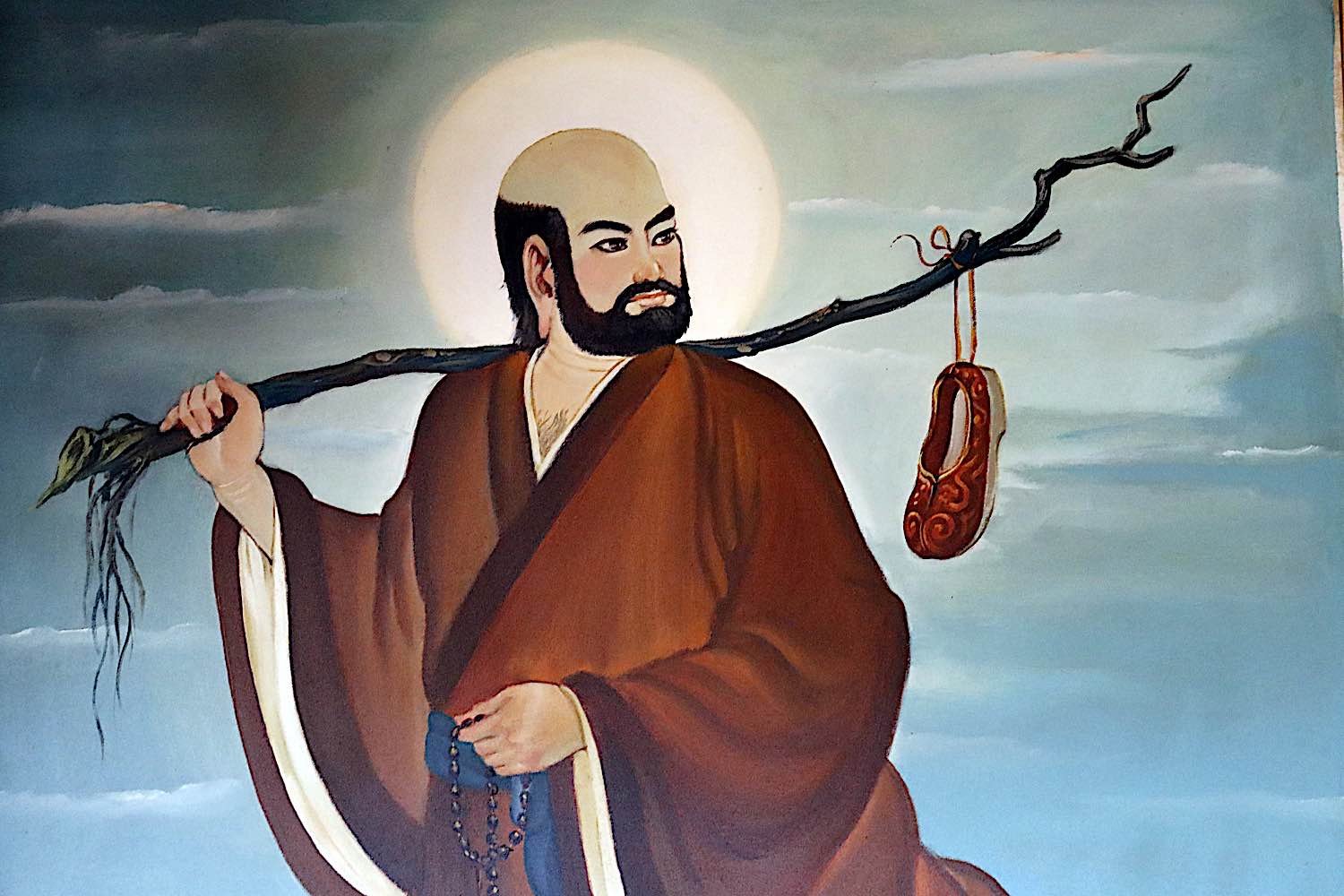
Bodhidharma's assertion, "This is the secret of Chan," invites us to explore the profound depths of Zen practice. It suggests that within the simplicity of Chan lies a transformative essence, a secret that transcends intellectual understanding. This statement is not merely an invitation to curiosity; it is a call to experience the essence of being, to awaken to the reality that lies beneath the surface of our everyday lives. Understanding this secret is crucial for anyone seeking a deeper connection with themselves and the world around them.
As we delve into this quote, we recognize that the "secret" Bodhidharma refers to is not hidden in the shadows but rather illuminated by the light of awareness. It beckons us to look beyond the distractions of our thoughts and the complexities of our emotions. This essence of Chan is about direct experience, a way of being that is immediate and unmediated. It challenges us to strip away the layers of conceptual thinking and to engage with the present moment fully, revealing the profound simplicity that lies at the heart of existence.
The image / the metaphor
The phrase "the secret of Chan" conjures an image of something precious yet elusive, akin to a hidden treasure waiting to be discovered. The word "secret" implies that this essence is not readily apparent; it requires a certain depth of inquiry and a willingness to look beyond the ordinary. The use of the term "Chan" evokes the meditative practice that characterizes Zen, suggesting that this secret is intimately tied to the act of sitting in stillness and observing the mind. The verbs in this context—"to see," "to know," "to awaken"—invite us to engage actively with our experience rather than passively consuming it.
Diving deeper into the metaphor, we can understand that the "secret" is not a possession to be grasped but a state of being to be realized. It is an invitation to enter into a relationship with our own consciousness, to explore the depths of our awareness without the interference of preconceived notions or judgments. This metaphorical journey into the heart of Chan encourages us to embrace the paradox of seeking and finding, where the act of searching itself becomes a path to revelation. In this way, the secret is not a destination but a continuous unfolding of insight and understanding.
In the speaker's tradition
Bodhidharma, the legendary figure credited with bringing Zen to China, embodies the essence of direct experience and non-conceptual awareness. His teachings emphasize the importance of "dharma," or the natural law that governs existence, and the practice of "kenosis," which involves emptying oneself of attachments and preconceived ideas. This aligns with the Zen concept of "sunyata," or emptiness, which invites practitioners to recognize the fluid and transient nature of reality. In this context, the "secret" of Chan can be seen as an invitation to embrace this emptiness, allowing us to experience life as it is, free from the distortions of our ego and desires.
In the "Wake-up Sermon," Bodhidharma articulates the importance of direct experience over intellectual understanding, echoing the teachings found in other Zen texts, such as the "Heart Sutra." This sutra emphasizes the notion that form is emptiness and emptiness is form, suggesting that the essence of reality is not separate from our experience of it. By situating Bodhidharma's quote within this broader framework, we can appreciate how the secret of Chan is a gateway to realizing our interconnectedness with all things, a theme that resonates throughout Zen literature.
Living the teaching
Consider a modern scenario where the essence of Bodhidharma's teaching can be applied: a busy professional navigating the demands of work and personal life. In the midst of deadlines and responsibilities, one might feel overwhelmed, caught in a whirlwind of thoughts and emotions. Here, the secret of Chan becomes a practical tool for grounding oneself. By taking a moment to pause, breathe, and return to the present moment, one can access that hidden essence, allowing clarity and calm to emerge from the chaos. This practice of mindfulness can transform a stressful day into an opportunity for awakening, revealing the simplicity that lies beneath the surface of our busy lives.
Another application of this teaching can be found in interpersonal relationships, particularly during moments of conflict. When disagreements arise, it is easy to become entangled in our perspectives, losing sight of the shared humanity that connects us. By embodying the secret of Chan, we can approach these situations with a sense of openness and curiosity, allowing us to listen deeply and respond authentically. This practice of presence not only fosters understanding but also cultivates compassion, reminding us that the essence of our interactions is rooted in our shared experience of being.
A reflection
As we contemplate Bodhidharma's assertion, "This is the secret of Chan," we are invited to reflect on our own relationship with presence and awareness. What does it mean for you to uncover the essence of your experience? In what ways might you be holding onto distractions or preconceived notions that prevent you from fully engaging with the present moment? As you ponder these questions, consider how embracing the secret of Chan could transform your understanding of yourself and your interactions with the world around you.
