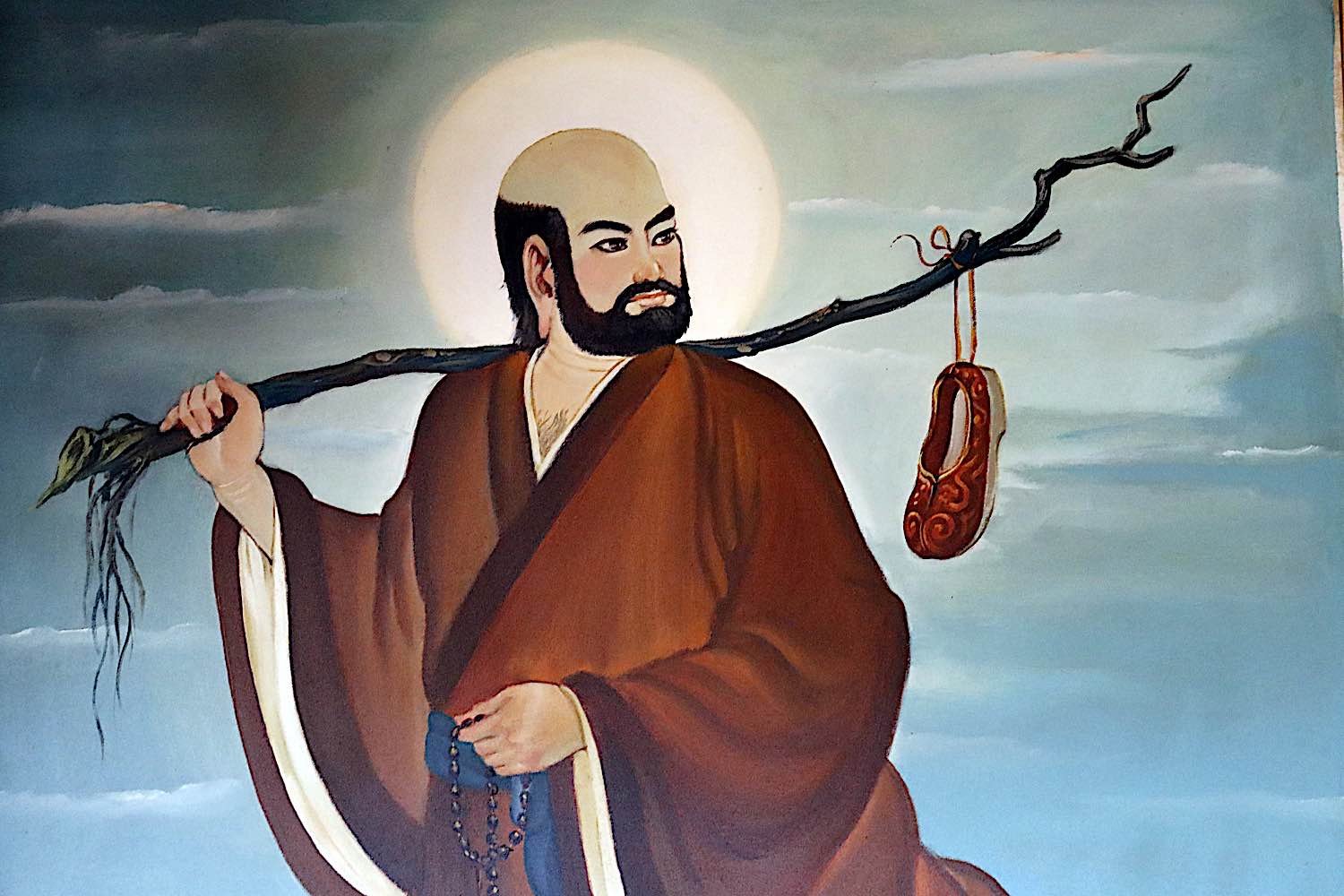
The Path of Practice: Embracing Injustice and Seeking Nothing
Bodhidharma's profound assertion, "To enter by practice refers to four all-inclusive practices: suffering injustice, adapting to conditions, seeking nothing, and practicing the dharma," invites us into a contemplative exploration of the essence of Zen practice. This quote encapsulates a transformative approach to life, urging practitioners to engage deeply with the challenges of existence. In a world often characterized by conflict and desire, Bodhidharma's words serve as a guiding light, illuminating the path toward inner peace and understanding through the embrace of suffering and the relinquishment of attachment.
At its core, this teaching emphasizes the importance of active engagement with our circumstances rather than retreating into avoidance or denial. The four practices outlined by Bodhidharma are not merely theoretical concepts; they are lived experiences that shape our spiritual journey. By suffering injustice, adapting to the ever-changing conditions of life, seeking nothing, and practicing the dharma, we cultivate resilience and wisdom, ultimately leading to a deeper understanding of ourselves and our interconnectedness with all beings.
The image / the metaphor
The imagery within Bodhidharma's quote is rich and evocative, inviting us to visualize a path marked by both struggle and surrender. The verbs chosen—"suffering," "adapting," "seeking," and "practicing"—convey a sense of active participation in life’s unfolding drama. To suffer injustice is to confront the harsh realities of existence, while adapting to conditions suggests a fluidity and openness to change. Seeking nothing speaks to the relinquishment of desire, and practicing the dharma emphasizes the commitment to a way of life rooted in ethical and spiritual principles.
Diving deeper into the metaphor, we can see that each of these practices serves as a stepping stone on the path to enlightenment. Suffering injustice is not merely an act of endurance; it is an invitation to cultivate compassion and empathy for ourselves and others. Adapting to conditions reflects the Zen principle of impermanence, reminding us that nothing is fixed and that our responses must be as dynamic as the world around us. Seeking nothing liberates us from the chains of desire, allowing us to experience the fullness of the present moment. Finally, practicing the dharma grounds us in the ethical and moral framework that guides our actions and thoughts, creating a harmonious existence.
In the speaker's tradition
Bodhidharma, the legendary founder of Zen Buddhism, offers these teachings within a rich tapestry of spiritual concepts that resonate deeply within the tradition. The notion of dharma, or the natural law that governs the universe, is central to understanding Bodhidharma's message. By practicing the dharma, we align ourselves with the fundamental truths of existence, fostering a sense of unity with all beings. This alignment is akin to the concept of sunyata, or emptiness, which teaches us that our attachments and desires are ultimately illusory, leading us away from true understanding.
In the context of Zen literature, Bodhidharma's teachings echo the sentiments found in texts such as the Heart Sutra, which emphasizes the importance of transcending dualistic thinking. The practice of kenosis, or self-emptying, aligns closely with Bodhidharma's call to seek nothing, as it encourages practitioners to let go of the ego and embrace a state of openness and receptivity. This profound interconnectedness and the relinquishment of self-centered desires are essential for realizing the true nature of reality, as articulated in the teachings of various Zen masters.
Living the teaching
Consider a modern scenario where the practice of suffering injustice becomes relevant: a workplace conflict where one feels unfairly treated or overlooked. In such moments, Bodhidharma's teaching invites us to embrace the discomfort of injustice, recognizing it as an opportunity for growth and self-reflection. Instead of reacting with anger or resentment, we can choose to respond with compassion, both for ourselves and for those involved. This practice not only fosters resilience but also deepens our understanding of the human experience, allowing us to cultivate empathy and connection.
Another application of these teachings can be found in personal relationships, particularly during times of conflict or misunderstanding. When faced with a disagreement, the practice of adapting to conditions encourages us to remain flexible and open-minded, rather than rigidly holding onto our perspectives. By seeking nothing—relinquishing the need to be right or to win an argument—we create space for genuine dialogue and understanding. This approach not only nurtures healthier relationships but also aligns us with the essence of Bodhidharma's teachings, fostering a sense of peace and harmony in our interactions.
A reflection
As we contemplate Bodhidharma's profound insights, we are invited to reflect on our own lives and the ways in which we engage with suffering, desire, and the practice of the dharma. What does it mean for you to suffer injustice in your life, and how can this experience serve as a catalyst for growth? In what ways can you adapt to the conditions you face, seek nothing, and deepen your commitment to practicing the dharma? Allow these questions to guide your contemplation, opening pathways to deeper understanding and connection.
