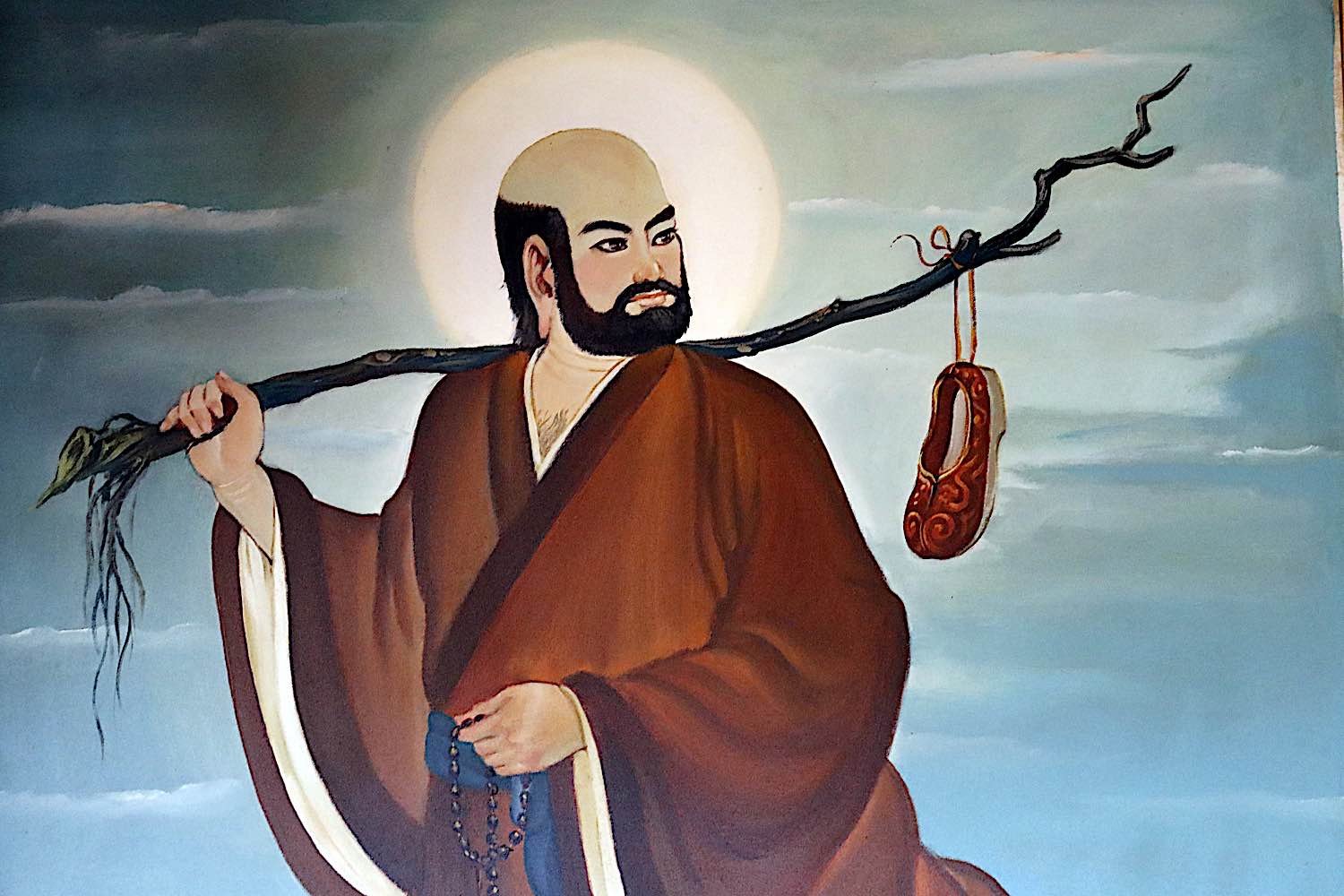
The Emptiness of All Things: A Journey into Truth
Bodhidharma's assertion that "to practice the dharma is to act in accord with the truth that all phenomena are empty" invites us to explore the profound implications of emptiness in our lives. This statement challenges us to reconsider our understanding of existence, urging us to see beyond the surface of things and recognize the transient nature of all phenomena. In a world often dominated by attachment and desire, this teaching serves as a beacon, guiding us toward a deeper understanding of reality and our place within it.
At its core, this quote encapsulates a fundamental tenet of Zen Buddhism: the notion that all things are devoid of inherent existence. This emptiness is not a nihilistic void but rather a liberating insight that allows us to engage with life more authentically. By recognizing the emptiness of all phenomena, we can free ourselves from the shackles of attachment and aversion, ultimately leading to a more compassionate and present way of being. The stakes are high; this understanding can transform our perception of suffering and joy, allowing us to navigate the complexities of life with greater ease and clarity.
The image / the metaphor
The imagery in Bodhidharma's quote evokes a sense of fluidity and impermanence. To "practice the dharma" suggests an active engagement with the teachings, a dynamic process rather than a static adherence to dogma. The verb "act" implies movement and intention, inviting practitioners to embody the truth of emptiness in their daily lives. This is not merely an intellectual exercise; it is a call to live in accordance with the profound insight that all phenomena lack a fixed essence.
Diving deeper into the metaphor, we can see that emptiness serves as a lens through which we can view our experiences. When we understand that all things are empty, we begin to perceive the interconnectedness of life. This realization can dissolve the barriers we construct around ourselves, allowing for a more profound sense of unity with others and the world. The act of practicing the dharma, then, becomes a journey of discovery, where each moment offers an opportunity to witness the beauty of impermanence and the liberation found within it.
In the speaker's tradition
Bodhidharma, the legendary figure credited with bringing Zen Buddhism to China, emphasizes the significance of dharma as a path to enlightenment. In this context, dharma refers not only to the teachings of the Buddha but also to the natural order of the universe. The concept of sunyata, or emptiness, is central to this understanding, suggesting that all phenomena arise interdependently and lack inherent existence. This aligns with the notion of kenosis in Christian mysticism, where self-emptying leads to a fuller experience of divine presence.
In the larger framework of Buddhist texts, we find echoes of this teaching in the Heart Sutra, which famously proclaims that "form is emptiness, emptiness is form." This profound statement encapsulates the essence of Bodhidharma's teaching, inviting practitioners to see that the very fabric of reality is woven from the threads of emptiness. By engaging with these teachings, we can cultivate prajna, or wisdom, which allows us to navigate the complexities of life with clarity and compassion.
Living the teaching
Consider a modern scenario where this teaching can be applied: a workplace filled with competition and stress. In such an environment, individuals often cling to their roles and identities, leading to conflict and dissatisfaction. By embracing the truth of emptiness, one can approach their work with a sense of detachment, recognizing that titles and achievements are transient. This shift in perspective can foster collaboration and reduce stress, as individuals learn to value the process over the outcome, cultivating a more harmonious workplace.
In the realm of relationships, the teaching of emptiness can also provide profound insights. When faced with conflict, we often cling to our perspectives, believing them to be absolute truths. However, by practicing the dharma and recognizing the emptiness of our views, we can approach disagreements with openness and curiosity. This allows for deeper understanding and connection, transforming potential conflicts into opportunities for growth and compassion. In daily practice, whether through meditation or mindful engagement, we can continually return to this teaching, allowing it to shape our interactions and experiences.
A reflection
As we contemplate Bodhidharma's words, we are invited to reflect on our own relationship with emptiness. How does the understanding that all phenomena are empty influence the way we engage with our lives? In what areas do we cling to fixed notions of self or others, and how might this attachment lead to suffering? By exploring these questions, we can begin to embody the truth of emptiness, allowing it to guide us toward a more liberated and compassionate existence.
