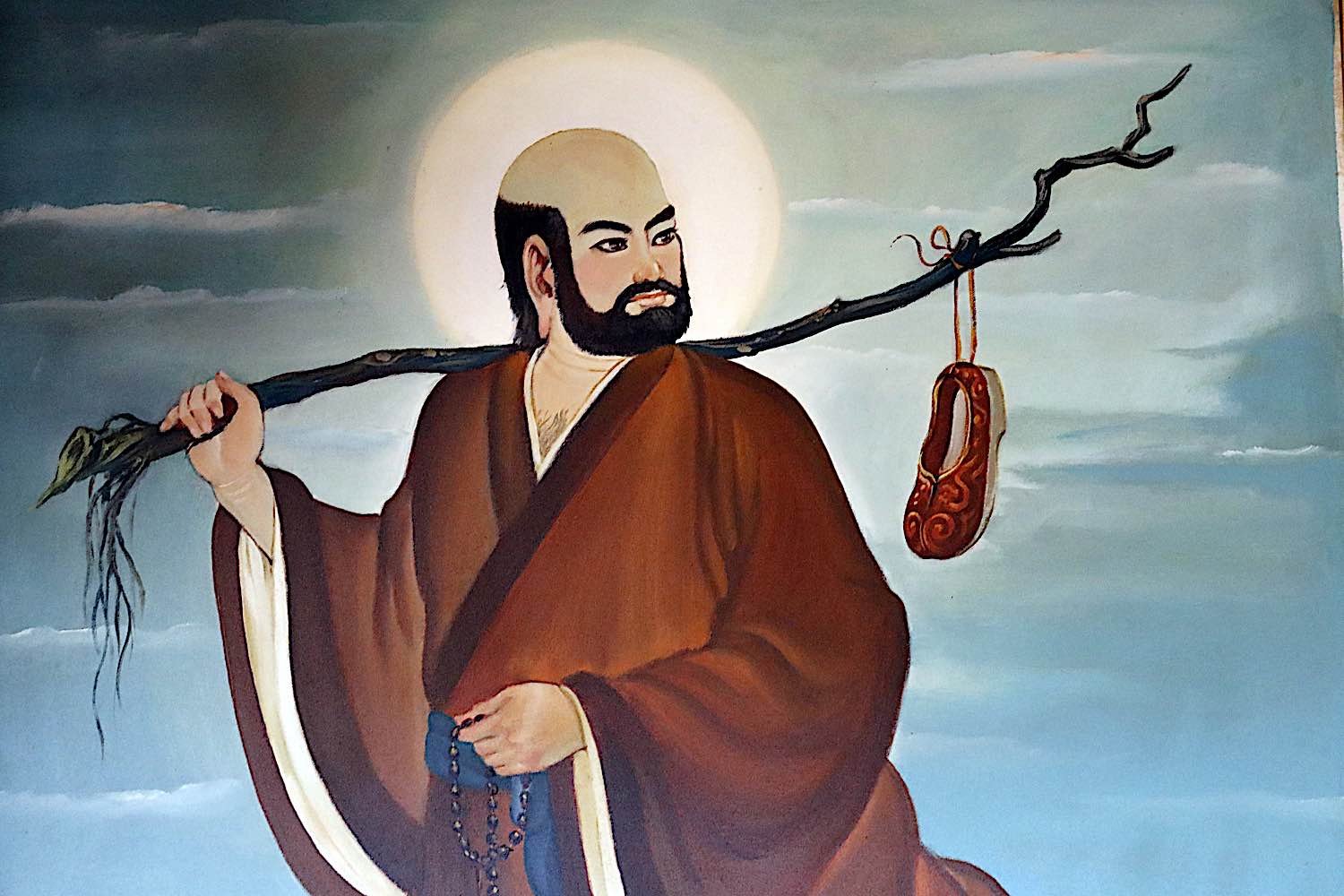
The Seeker and the Sought: A Journey into Unity
Bodhidharma's profound assertion, "What you seek is the seeker," invites us to explore the intricate relationship between desire and self-awareness. At first glance, this statement may seem paradoxical, suggesting that the very essence of our search for enlightenment, truth, or fulfillment is inherently tied to the seeker themselves. This realization holds significant implications for our spiritual journeys, as it challenges us to reconsider the nature of our pursuits and the motivations behind them. Understanding this quote can lead to a deeper awareness of our inner landscapes, ultimately guiding us toward a more authentic existence.
As we delve deeper into this teaching, we uncover layers of meaning that resonate with the core of Zen practice. The act of seeking is often fraught with attachment and longing, yet Bodhidharma's words remind us that the essence of what we seek is not external but rather an intrinsic part of our being. This insight compels us to reflect on the nature of our desires and the ways in which they shape our identities. By recognizing that the seeker and the sought are intertwined, we can begin to dissolve the boundaries that separate us from our true selves, fostering a sense of unity and wholeness.
The image / the metaphor
The imagery within Bodhidharma's quote evokes a sense of circularity, where the seeker is both the subject and the object of their quest. The verbs "seek" and "is" create a dynamic interplay, suggesting that the act of searching is not a linear journey but rather a cyclical process of self-discovery. This felt sense of movement invites us to consider how our pursuits often lead us back to ourselves, revealing the interconnectedness of all things. In this light, the seeker becomes a mirror reflecting the very essence of what is sought, illuminating the path toward understanding and realization.
In the speaker's tradition
Bodhidharma, the legendary figure credited with bringing Zen Buddhism to China, emphasized the importance of direct experience and self-inquiry. His teachings often revolve around concepts such as dharma, the nature of reality, and the practice of meditation. In Zen, the notion of "kenosis," or self-emptying, aligns closely with Bodhidharma's assertion, as it encourages practitioners to let go of attachments and preconceived notions in order to uncover their true nature. This process of self-discovery is essential for realizing that the seeker and the sought are not separate entities but rather aspects of the same reality.
In the context of Zen literature, Bodhidharma's teachings resonate with the concept of "sunyata," or emptiness, which suggests that all phenomena are interdependent and devoid of inherent existence. This idea parallels the notion that the seeker is not a fixed identity but rather a fluid expression of consciousness. The Heart Sutra, a foundational text in Mahayana Buddhism, echoes this sentiment by stating, "Form is emptiness, emptiness is form," reinforcing the understanding that our search for meaning is intrinsically linked to the nature of existence itself.
Living the teaching
Consider a modern scenario where an individual is fervently seeking happiness through external achievements—career success, relationships, or material possessions. In this pursuit, they may find themselves caught in a cycle of dissatisfaction, perpetually chasing after something that seems just out of reach. Bodhidharma's teaching serves as a gentle reminder that the happiness they seek is not found in external validation but rather within themselves. By turning inward and cultivating self-awareness, they can discover that contentment arises from embracing their true nature, rather than from the fleeting pleasures of the external world.
In the realm of relationships, this teaching can manifest in moments of conflict or misunderstanding. When we find ourselves seeking validation or approval from others, we may inadvertently create distance between ourselves and those we care about. By recognizing that the love and acceptance we seek are already present within us, we can approach our interactions with greater compassion and openness. This shift in perspective allows us to engage more authentically, fostering deeper connections and a sense of unity with others.
A reflection
As we contemplate Bodhidharma's profound insight, we are invited to explore the nature of our own seeking. What are the desires that drive us, and how do they shape our understanding of ourselves? In this moment of reflection, consider: How might your life change if you recognized that what you seek is already present within you? This question encourages us to embark on a journey of self-discovery, inviting us to embrace the seeker within and uncover the profound truths that lie at the heart of our existence.
