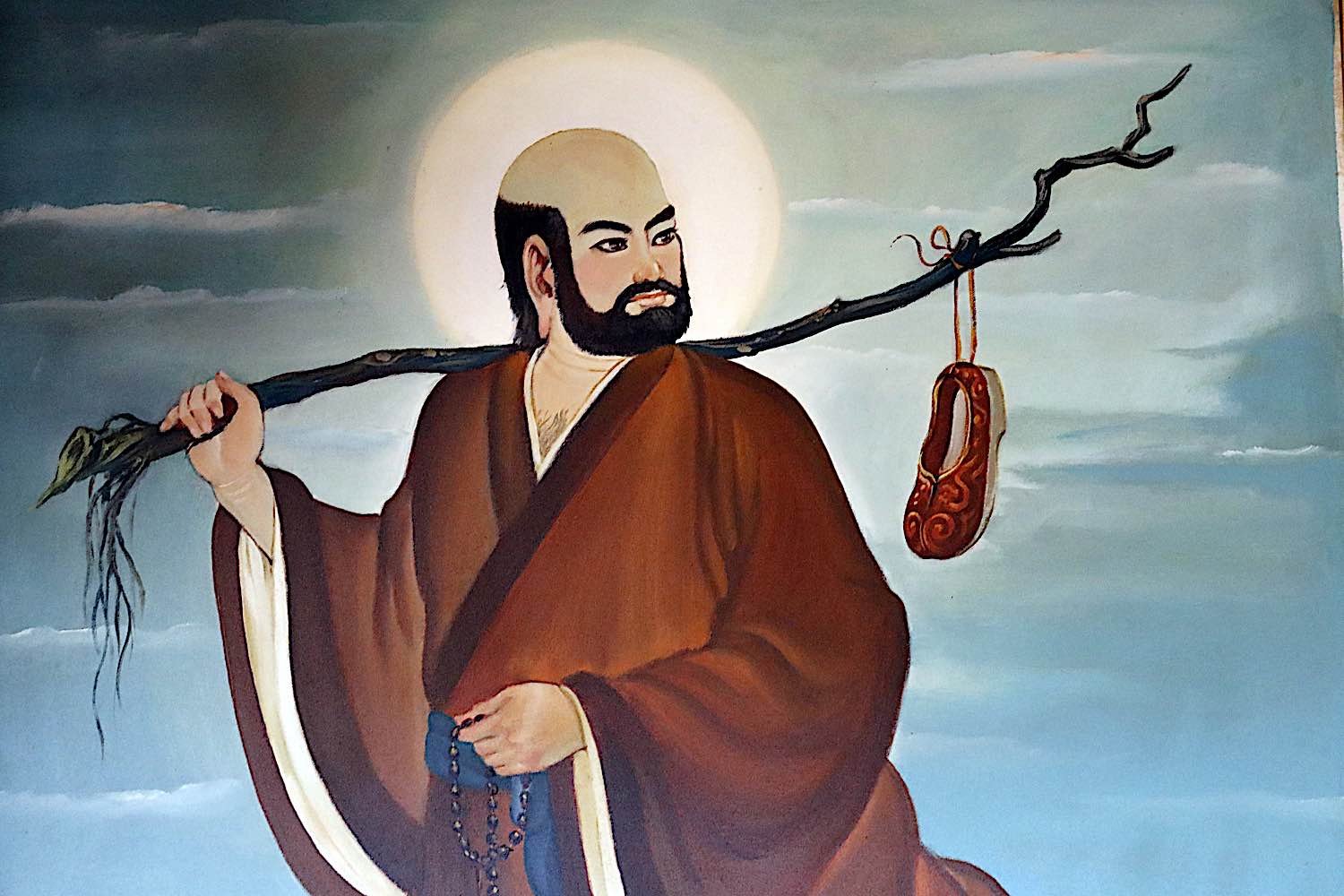
Embracing Adversity: A Path to Inner Clarity
Bodhidharma's poignant reflection invites us to reconsider our relationship with adversity, suggesting that when we encounter challenges on our spiritual journey, we should remind ourselves of the transient nature of worldly attachments. He urges us to recognize that throughout countless lifetimes, we have often prioritized fleeting pleasures over enduring truths. This perspective not only reframes our struggles but also encourages a deeper understanding of our motivations and desires, ultimately guiding us toward a more profound engagement with the essence of our being.
In a world that often equates success with material gain and social status, Bodhidharma's words resonate as a gentle yet firm reminder of the impermanence of such pursuits. By acknowledging the futility of clinging to ephemeral things, we can cultivate resilience in the face of adversity. This shift in perspective allows us to embrace challenges as opportunities for growth and self-discovery, fostering a sense of inner peace that transcends the chaos of external circumstances.
The image / the metaphor
The imagery in Bodhidharma's quote evokes a sense of timelessness, as he speaks of "countless ages gone by." This phrase suggests a vast continuum of existence, where the weight of our past choices lingers in the present. The verb "encounter" implies an active engagement with adversity, highlighting that challenges are not merely obstacles but integral components of our spiritual journey. The act of reflecting on our past attachments serves as a catalyst for transformation, inviting us to shift our focus from the superficial to the substantial.
Diving deeper into the metaphor, we can see that the "Path" Bodhidharma refers to is not a linear trajectory but a winding road filled with trials and tribulations. Each adversity we face can be likened to a stone on this path, which, while initially a hindrance, can also serve as a stepping stone toward greater understanding. By recognizing the transient nature of our attachments, we can learn to navigate these stones with grace, allowing them to teach us rather than deter us.
In the speaker's tradition
Bodhidharma, the founder of Zen Buddhism, emphasizes the importance of direct experience and personal insight in understanding the nature of reality. His teachings resonate with the concept of *sunyata*, or emptiness, which invites practitioners to see beyond the illusions of the material world. In Zen, the notion of *dharma* encompasses the teachings and practices that lead to enlightenment, while *prajna*, or wisdom, is cultivated through the recognition of impermanence and the relinquishing of attachments. Bodhidharma's quote encapsulates this essence, urging us to confront our attachments and the suffering they bring.
In the *Outline of Practice*, Bodhidharma articulates the necessity of facing adversity as a means of deepening our understanding of the self and the world. This mirrors the teachings found in other Zen texts, such as the *Heart Sutra*, which emphasizes the importance of seeing through the illusions that bind us. By engaging with adversity, we can cultivate a deeper awareness of our true nature, moving beyond the superficial layers of existence to uncover the profound truths that lie beneath.
Living the teaching
Consider a modern scenario where an individual faces a significant career setback, such as losing a job or experiencing a failed project. Initially, this adversity may feel overwhelming, prompting feelings of inadequacy and despair. However, by reflecting on Bodhidharma's teaching, the individual can begin to see this challenge as an opportunity for growth. Instead of clinging to the identity tied to their previous success, they can explore new paths, reevaluate their values, and ultimately emerge with a clearer sense of purpose and direction.
This teaching can also be applied within the context of relationships. Imagine a friendship that has soured due to misunderstandings and unmet expectations. In such moments of adversity, one might feel tempted to cling to grievances and past hurts. However, by embracing Bodhidharma's wisdom, individuals can recognize the fleeting nature of these attachments and choose to engage in open dialogue and forgiveness. This shift not only fosters healing but also deepens the connection, allowing both parties to grow and evolve together.
A reflection
As we contemplate Bodhidharma's profound insight, we are invited to ask ourselves: "What attachments am I clinging to that hinder my growth?" This question encourages a deep and honest reflection on our lives, prompting us to examine the fleeting things we prioritize over our spiritual development. By engaging with this inquiry, we can begin to identify the sources of our suffering and take steps toward embracing the transformative power of adversity, ultimately leading us closer to the essence of our true selves.
