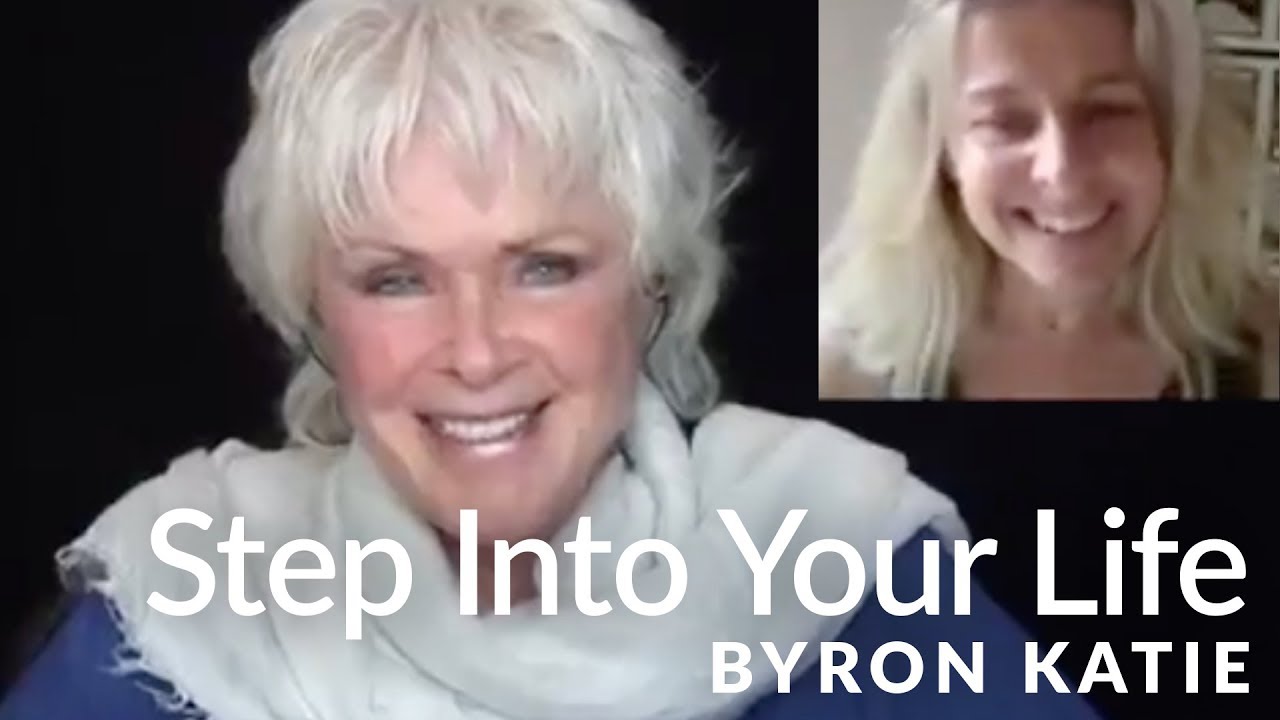
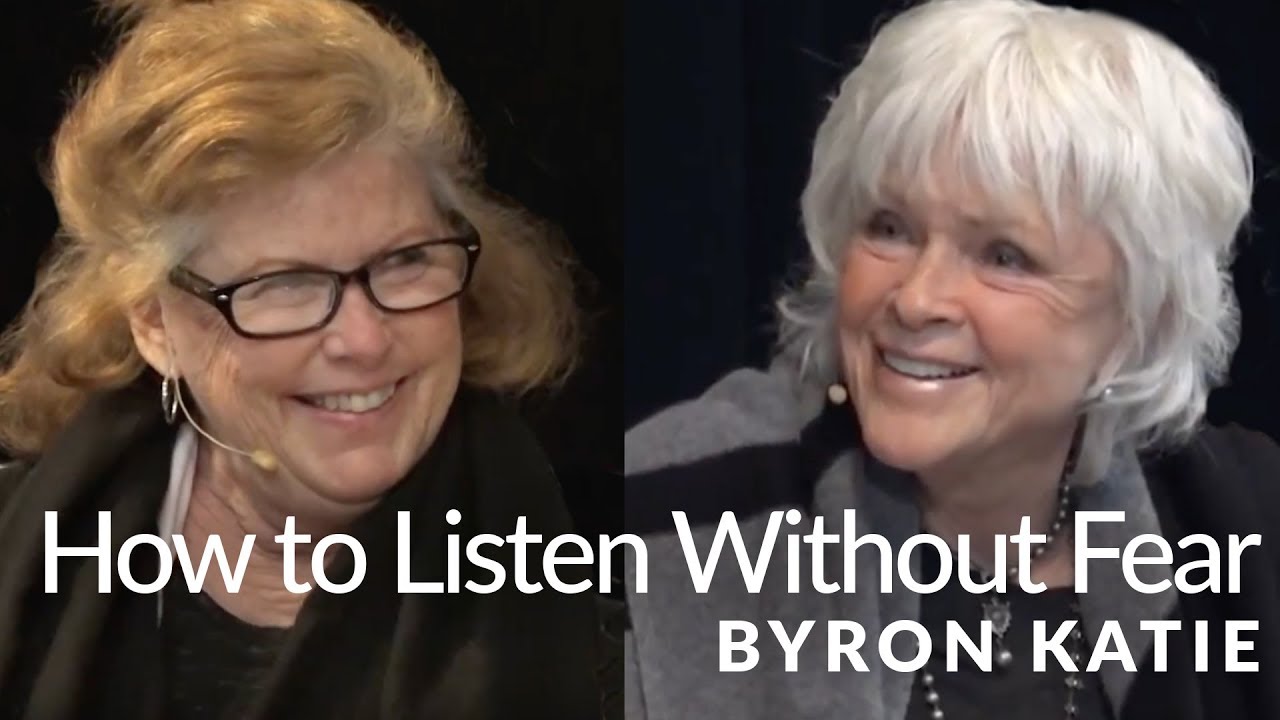
Byron Katie invites us to engage in a profound act of self-awareness with her simple yet powerful instruction: "Place your hand over your heart, slow down, and just listen." This call to action encourages us to pause amidst the chaos of our daily lives, to connect with our inner selves, and to cultivate a deeper understanding of our thoughts and emotions. In a world that often prioritizes speed and productivity, this practice of listening becomes a radical act of self-care and mindfulness, reminding us of the importance of tuning into our heart's wisdom.
In this brief yet poignant moment of stillness, we are offered a pathway to clarity and insight. The act of placing our hand over our heart serves as a grounding gesture, a reminder to return to our center. It invites us to slow down, to breathe, and to listen—not just to the cacophony of external noise, but to the subtle whispers of our own heart. This practice is not merely about hearing; it is about cultivating a deep, attentive listening that can transform our understanding of ourselves and our relationships with others.
The image / the metaphor
The imagery in Katie's quote is rich and evocative. Placing one's hand over the heart is a gesture that conveys both tenderness and introspection. It suggests a physical anchoring to the emotional and spiritual center of our being. The verbs "slow down" and "listen" emphasize the need for a deliberate deceleration in our often frenetic lives, urging us to create space for reflection and awareness. This act of listening is not passive; it is an active engagement with our inner landscape, a call to be present with what arises.
Diving deeper into the metaphor, we can see that the heart symbolizes more than just an organ; it represents our emotional core, our intuition, and our capacity for love and compassion. When we listen to our heart, we are not merely hearing our thoughts; we are attuning ourselves to our deepest desires, fears, and truths. This listening is a form of self-inquiry, a way to uncover the layers of conditioning and belief that often cloud our perception. It invites us to embrace vulnerability and authenticity, allowing us to connect with our true selves.
In the speaker's tradition
Byron Katie's teachings are rooted in the non-dual tradition, which emphasizes the interconnectedness of all beings and the illusion of separation. Concepts such as sunyata (emptiness) and prajna (wisdom) resonate deeply within this framework. The practice of listening to the heart aligns with the idea of kenosis, or self-emptying, where we let go of preconceived notions and judgments to experience reality as it is. In this space of openness, we can access a profound understanding of ourselves and our place in the world.
A relevant text that echoes this sentiment is the Heart Sutra, which teaches that form is emptiness and emptiness is form. This paradox invites us to explore the nature of our thoughts and emotions, recognizing that they are transient and not the essence of who we are. By listening to our heart, we engage in a practice that transcends dualistic thinking, allowing us to experience the fullness of life without being trapped by our narratives. This non-dual awareness fosters a sense of peace and acceptance, guiding us toward a deeper understanding of our true nature.
Living the teaching
Consider a modern scenario where this teaching can be applied: a busy professional navigating the demands of work and family life. In the midst of deadlines and responsibilities, the individual feels overwhelmed and disconnected. By taking a moment to place their hand over their heart, they can create a pause, allowing themselves to slow down and listen to their inner voice. This practice can reveal feelings of stress, anxiety, or even unacknowledged joy, providing clarity on what truly matters in that moment.
In a different context, imagine a relationship facing tension and misunderstandings. One partner might feel unheard or unappreciated, leading to conflict. By embodying Katie's teaching, both partners can practice placing their hands over their hearts, slowing down, and listening to each other's feelings and needs. This simple act can transform the dynamic, fostering empathy and connection. It encourages a space where both individuals can express their truths, leading to deeper understanding and healing.
A reflection
As we contemplate Byron Katie's invitation to "place your hand over your heart, slow down, and just listen," we are called to reflect on our own practices of self-awareness. What does it mean for you to listen to your heart? In what areas of your life do you feel the need to slow down and connect with your inner self? Allow these questions to guide you as you explore the depths of your own experience, inviting a greater sense of presence and understanding into your daily life.