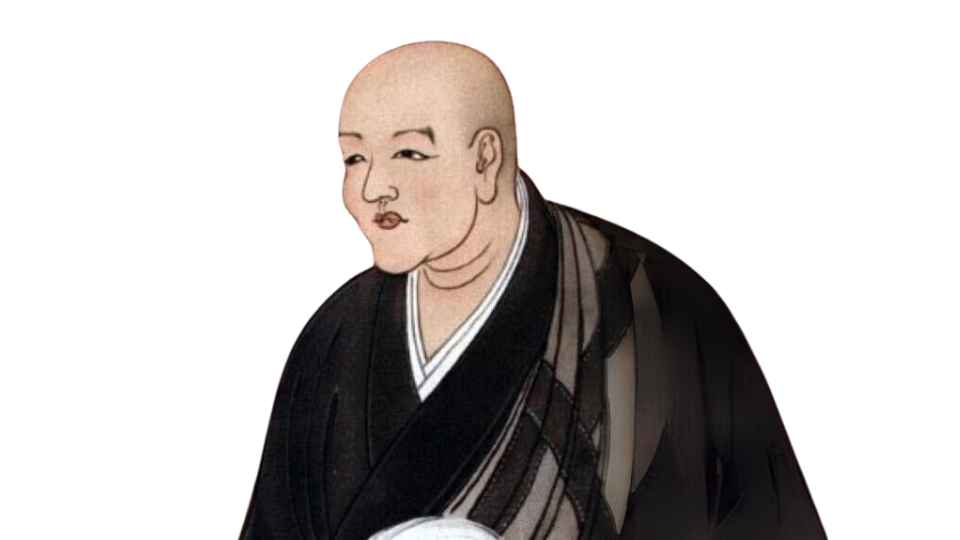
The Timeless Now: Embracing Dōgen's Insight
In the profound words of Dōgen, "And is independent of past and future," we are invited to explore the essence of the present moment, a space unshackled by the chains of time. This statement resonates deeply within the Zen tradition, urging us to recognize that our true existence unfolds in the now, free from the burdens of what has been or what may come. Understanding this independence is not merely an intellectual exercise; it is a transformative realization that can liberate us from the anxieties that often plague our minds.
To grasp the significance of Dōgen's assertion, we must delve into the nature of time itself, which often feels linear and constraining. Our lives are frequently dictated by memories of the past and anticipations of the future, leading to a sense of disconnection from the present. Dōgen's teaching serves as a gentle reminder that the present moment is where life truly occurs, and it is in this space that we can find clarity, peace, and authenticity. By cultivating an awareness of the now, we can transcend the limitations imposed by our temporal perceptions.
The image / the metaphor
Dōgen's quote evokes a vivid imagery of liberation, suggesting that the present moment is a sanctuary, untouched by the weight of history or the uncertainty of what lies ahead. The verbs "is" and "independent" convey a sense of existence that is both immediate and self-sufficient. This independence implies a state of being that is not reliant on external circumstances or past experiences, allowing us to engage fully with our current reality. The felt sense of this independence is one of empowerment, as we recognize that we have the agency to shape our experience in the here and now.
In the speaker's tradition
Within the Zen tradition, Dōgen's insights resonate with core concepts such as sunyata (emptiness) and prajna (wisdom). The notion of independence from past and future aligns with the understanding that our attachments to these temporal constructs can cloud our perception of reality. By recognizing the emptiness of time, we can cultivate a deeper awareness of the present, allowing us to experience life with greater clarity and insight. This independence is not a rejection of our past or future but rather an invitation to engage with them without being defined by them.
In Dōgen's seminal work, the *Genjokoan*, he elaborates on the idea that the present moment encompasses all aspects of existence. He writes, "To study the Buddha Way is to study the self. To study the self is to forget the self." This profound teaching emphasizes that when we immerse ourselves in the present, we transcend the limitations of our ego and connect with a greater reality. By embodying this principle, we can experience a sense of unity with all that is, free from the constraints of time.
Living the teaching
Consider a modern scenario where this teaching can be applied: a busy professional overwhelmed by deadlines and responsibilities. In the midst of a hectic day, the individual may find themselves constantly worrying about what tasks lie ahead or lamenting past mistakes. By embracing Dōgen's insight, they can pause, take a deep breath, and ground themselves in the present moment. This simple act of mindfulness can transform their experience, allowing them to approach their work with renewed focus and clarity, rather than being consumed by the weight of time.
In the realm of relationships, Dōgen's teaching can also illuminate our interactions with others. Imagine a couple navigating a difficult conversation, each partner burdened by past grievances and future fears. By consciously choosing to engage in the present moment, they can listen to each other with empathy and openness, free from the shadows of their history. This practice of presence fosters deeper connection and understanding, allowing love to flourish in the here and now.
A reflection
As we contemplate Dōgen's profound statement, we are invited to reflect on our own relationship with time. How often do we find ourselves trapped in the cycles of past regrets or future anxieties? In what ways can we cultivate a deeper awareness of the present moment, allowing it to inform our actions and relationships? As you ponder these questions, consider how embracing the independence of the now might transform your experience of life.


