The Blindness of Retribution: A Path to Forgiveness
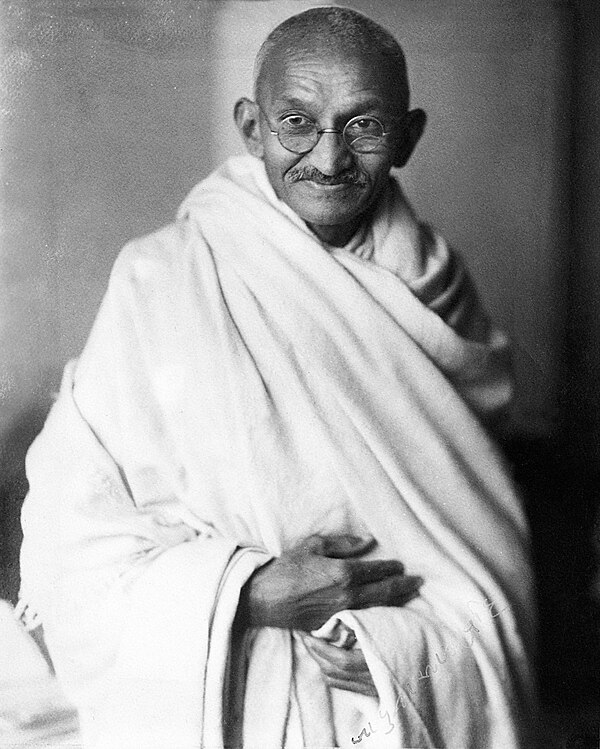
“An eye for an eye will only make the whole world blind.” This profound statement by Mahatma Gandhi encapsulates the futility of revenge and the cyclical nature of violence. In a world often driven by the desire for retribution, Gandhi's words serve as a poignant reminder that seeking vengeance only perpetuates suffering. The stakes are high; if we allow ourselves to be consumed by the need for retaliation, we risk losing our humanity and the very essence of our collective existence.
Gandhi's insight invites us to reflect on the deeper implications of our actions and the choices we make in response to harm. It challenges us to consider the transformative power of forgiveness and nonviolence, urging us to break free from the chains of anger and resentment. In a society that often glorifies strength through aggression, Gandhi's call for compassion and understanding resonates with an urgent need for healing and reconciliation.
The image / the metaphor
The imagery of blindness in Gandhi's quote is striking and evocative. It conjures a vivid picture of a world where the cycle of retribution leads to collective suffering, where individuals, blinded by their desire for revenge, fail to see the humanity in one another. The choice of the verb "make" emphasizes the active role we play in perpetuating this cycle; it is not merely a passive consequence but a deliberate act that shapes our reality. The metaphor of blindness serves as a powerful reminder that in our quest for justice through vengeance, we risk losing our ability to see the truth of our interconnectedness.
Diving deeper into the metaphor, we can understand that blindness here symbolizes a lack of awareness and insight. When we are consumed by anger and the desire for revenge, we become blind to the complexities of human experience and the potential for healing. Gandhi's words challenge us to cultivate a vision that transcends the immediate impulse for retaliation, inviting us instead to embrace a broader perspective that recognizes the shared struggles and vulnerabilities of all beings. In this way, the metaphor becomes a call to awaken our consciousness and choose a path of compassion.
In the speaker's tradition
Mahatma Gandhi's philosophy is deeply rooted in the Hindu tradition, which emphasizes concepts such as ahimsa (nonviolence) and dharma (righteous duty). Ahimsa is not merely the absence of violence but an active commitment to compassion and understanding. In this context, Gandhi's quote reflects the essence of living in accordance with dharma, which calls for actions that promote harmony rather than discord. The idea of kenosis, or self-emptying, also resonates here, as it invites individuals to let go of their ego-driven desires for revenge and embrace a more expansive sense of self that includes the well-being of others.
Moreover, the teachings of the Bhagavad Gita echo this sentiment, particularly in the discourse between Arjuna and Krishna, where the importance of righteous action without attachment to the fruits of those actions is emphasized. Krishna's guidance to Arjuna illustrates the necessity of transcending personal grievances in favor of a higher moral calling. This alignment with dharma ultimately leads to liberation, or moksha, which is the ultimate goal of human existence in Hindu philosophy. Gandhi's quote, therefore, serves as a reminder that true justice is found not in retribution but in the pursuit of understanding and forgiveness.
Living the teaching
In contemporary society, the teaching embodied in Gandhi's quote can be seen in various contexts, particularly in the realm of conflict resolution. Consider a community grappling with the aftermath of violence, where individuals are tempted to retaliate against those who have wronged them. By choosing to engage in dialogue and restorative practices rather than seeking revenge, community members can begin to heal the wounds of the past. This approach not only fosters understanding but also creates a foundation for rebuilding trust and cooperation, illustrating how Gandhi's wisdom can manifest in real-world scenarios.
On a more personal level, this teaching can be applied in our relationships, especially during moments of conflict. Imagine a situation where a loved one has hurt you deeply. The instinct may be to retaliate or withdraw, but Gandhi's call for forgiveness invites us to respond with compassion instead. By acknowledging our pain while also recognizing the humanity of the other person, we can break the cycle of hurt and create space for healing. This practice of forgiveness, though challenging, ultimately leads to deeper connections and a more profound sense of peace.
A reflection
As we contemplate Gandhi's powerful words, we are invited to reflect on our own responses to harm and conflict. How often do we find ourselves caught in the cycle of retribution, and what might it look like to choose forgiveness instead? In a world that often prioritizes vengeance, let us consider the transformative potential of compassion and the ways in which we can contribute to a more understanding and connected existence. What steps can we take today to embody the spirit of nonviolence and break free from the blindness of retribution?


