The Wholeness of Education: A Path to the Best Within
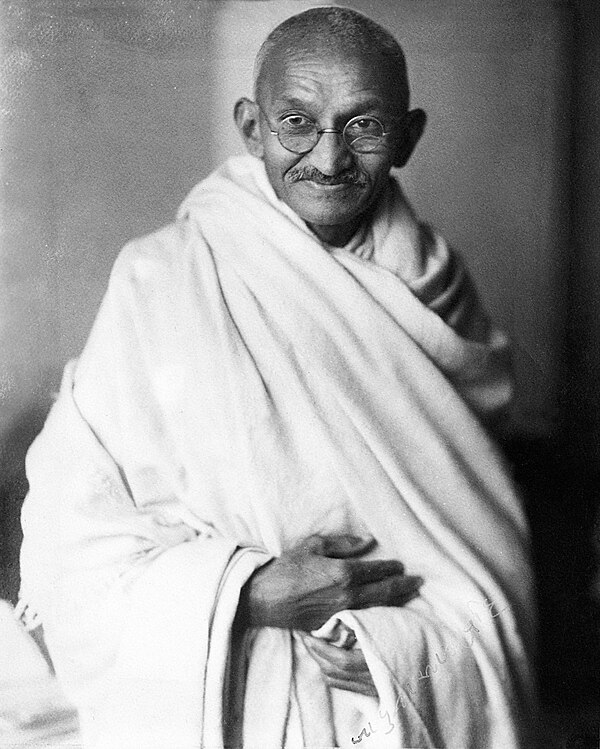
Mahatma Gandhi's assertion that "by education I mean an all-round drawing out of the best in child and man — body, mind and spirit" invites us to reconsider the very essence of education. It is not merely a process of imparting knowledge but a holistic endeavor aimed at nurturing the full spectrum of human potential. In a world increasingly focused on specialization and compartmentalization, Gandhi's perspective serves as a reminder of the interconnectedness of our physical, intellectual, and spiritual selves. This understanding is crucial, as it shapes not only individual lives but also the fabric of society itself.
To draw out the best in ourselves and others requires a commitment to fostering wholeness. Gandhi's vision of education transcends traditional boundaries, urging us to cultivate not just the intellect but also the heart and spirit. This approach resonates deeply in our contemporary context, where the pressures of modern life often lead to fragmentation and disconnection. By embracing a more integrated view of education, we can create environments that nurture creativity, empathy, and resilience, ultimately leading to a more harmonious existence.
The image / the metaphor
The imagery in Gandhi's quote evokes a sense of nurturing and cultivation, akin to a gardener tending to a diverse array of plants. The phrase "drawing out" suggests an active engagement, where educators and mentors play a vital role in uncovering the innate gifts within each individual. This metaphor of cultivation implies patience, care, and attentiveness, recognizing that each person is unique and requires a tailored approach to flourish. The inclusion of "body, mind, and spirit" further emphasizes the need for a balanced development, where physical health, intellectual growth, and spiritual awareness are interwoven.
Diving deeper into this metaphor, we can see that education, as Gandhi envisions it, is akin to a symphony where each instrument contributes to a harmonious whole. The body represents our physical presence and well-being, the mind embodies our capacity for critical thought and creativity, while the spirit connects us to our deeper purpose and values. This holistic approach encourages us to recognize that true education is not merely about acquiring facts but about fostering a sense of wholeness that enables individuals to thrive in all aspects of life.
In the speaker's tradition
Moreover, Gandhi's emphasis on the all-round development of individuals resonates with the teachings found in the Bhagavad Gita, where the pursuit of knowledge is seen as a sacred duty. In this revered text, the interplay between action, knowledge, and devotion underscores the importance of cultivating a balanced life. Just as Arjuna is guided towards understanding his true self and purpose, so too does Gandhi advocate for an educational framework that nurtures the whole person, enabling them to fulfill their unique potential in service to the world.
Living the teaching
In our modern lives, the application of Gandhi's educational philosophy can be seen in various contexts, particularly in progressive educational settings that prioritize holistic development. For instance, a school that incorporates mindfulness practices, physical education, and creative arts alongside traditional academics embodies Gandhi's vision. Such an environment not only fosters intellectual growth but also nurtures emotional intelligence and physical well-being, allowing students to thrive as well-rounded individuals. This approach prepares them not just for exams but for life, equipping them with the skills and resilience needed to navigate an increasingly complex world.
On a more personal level, we can apply this teaching in our relationships and daily interactions. Consider a moment of conflict with a loved one; instead of merely addressing the surface issue, we can strive to understand the deeper emotional and spiritual dimensions at play. By engaging with empathy and compassion, we honor the whole person involved, fostering a connection that transcends mere problem-solving. This practice of seeing and nurturing the whole self in ourselves and others can transform our relationships, leading to deeper understanding and harmony.
A reflection
As we contemplate Gandhi's profound insight into education, we are invited to reflect on our own lives and the ways we nurture ourselves and those around us. Are we engaging in practices that draw out the best in ourselves and others, honoring the body, mind, and spirit? In what ways can we cultivate a more holistic approach to our personal growth and relationships? These questions encourage us to explore the depths of our potential and the interconnectedness of our experiences, guiding us toward a more integrated and fulfilling existence.


