The Journey of Effort: Embracing the Path Over the Destination
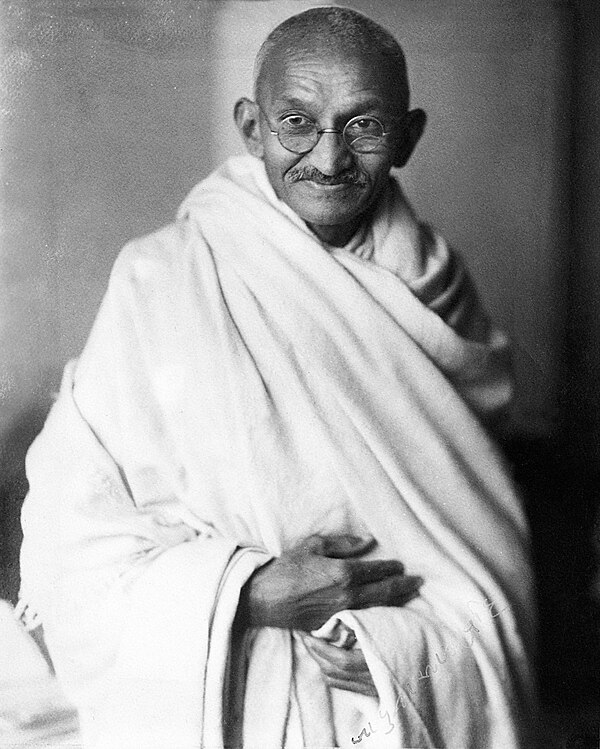
Mahatma Gandhi's assertion that "glory lies in the attempt to reach one's goal and not in reaching it" invites us to reconsider our relationship with achievement and success. In a world that often prizes outcomes over processes, this quote serves as a gentle reminder that the true essence of our endeavors lies not in their completion but in the sincerity and effort we invest along the way. It challenges us to find value in the journey itself, suggesting that the act of striving holds a nobility that transcends mere results.
This perspective is particularly poignant in a society that frequently equates worth with tangible achievements. Gandhi's wisdom encourages us to cultivate a mindset that honors perseverance, resilience, and the courage to pursue our aspirations, regardless of the outcome. By focusing on the effort rather than the end result, we can foster a deeper sense of fulfillment and purpose, allowing our lives to be enriched by the experiences we gather along the way.
The image / the metaphor
The imagery in Gandhi's quote evokes a sense of movement and aspiration, where the verbs "attempt" and "reach" suggest an active engagement with our goals. The word "glory" implies a sense of honor and dignity that is accessible to anyone willing to put forth the effort, regardless of whether they achieve their intended outcome. This framing invites us to visualize our pursuits as a journey filled with trials and tribulations, where each step taken is a testament to our commitment and determination.
Diving deeper into the metaphor, we can see that the "attempt" signifies more than just a physical action; it embodies the spirit of striving, the inner resolve to push against obstacles and uncertainties. This notion of effort as a source of glory resonates with the idea that our character is forged in the crucible of challenges. Each attempt, regardless of its success or failure, contributes to our growth, shaping us into more resilient and compassionate individuals.
In the speaker's tradition
Furthermore, we can draw parallels with the teachings found in the Bhagavad Gita, where Lord Krishna advises Arjuna to perform his duty without attachment to the fruits of his actions. This principle of "nishkama karma" encourages individuals to focus on their actions and intentions rather than the outcomes, reinforcing the idea that true glory lies in the effort itself. By embracing this philosophy, we can cultivate a sense of peace and purpose in our endeavors, allowing us to navigate life's challenges with grace and resilience.
Living the teaching
Consider a modern scenario where this teaching can be applied: a student preparing for an important exam. In the pursuit of academic success, it is easy to become fixated on grades and accolades. However, if the student embraces Gandhi's perspective, they might shift their focus to the learning process itself—engaging deeply with the material, seeking understanding, and developing critical thinking skills. In doing so, the student not only enhances their knowledge but also cultivates a sense of pride in their dedication and effort, regardless of the final grade.
Another application of this teaching can be found in personal relationships. Imagine a couple navigating a challenging phase in their partnership. Instead of fixating on the outcome of their relationship—whether it will lead to marriage or separation—they can choose to invest in the effort of communication, understanding, and empathy. By prioritizing the journey of connection and growth, they honor the process of love and commitment, allowing their relationship to evolve organically, irrespective of the final destination.
A reflection
As we contemplate Gandhi's profound insight, we are invited to reflect on our own lives and the ways in which we measure success. Are we overly focused on the outcomes of our efforts, or can we find joy and fulfillment in the act of striving itself? In what areas of our lives can we shift our perspective to honor the journey rather than the destination? Let this contemplation guide us toward a deeper understanding of our motivations and the true essence of our endeavors.


