The Eternal Dance of Love and Hatred
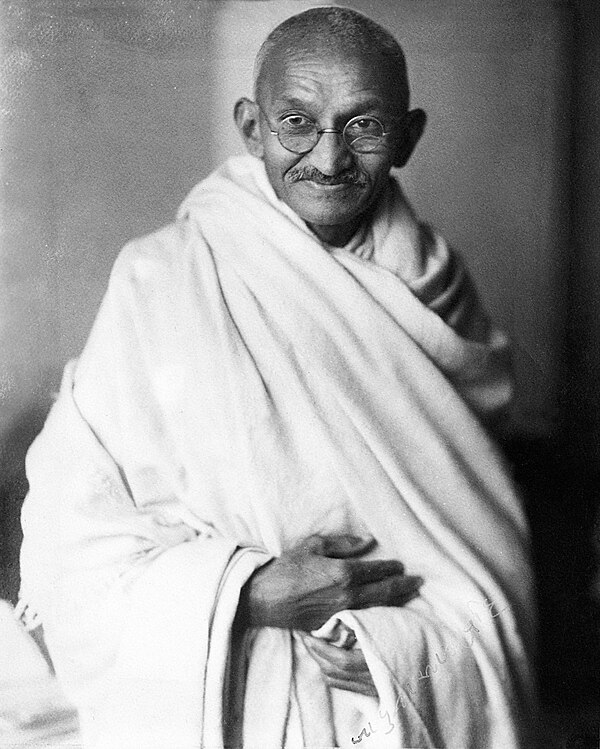
Mahatma Gandhi's poignant assertion, "Hatred ever kills, love never dies. Such is the vast difference between the two," encapsulates a profound truth about the human experience. In this statement, Gandhi draws a stark contrast between the destructive nature of hatred and the enduring power of love. This distinction is not merely rhetorical; it speaks to the very essence of our interactions and relationships. Understanding this difference is crucial, especially in a world rife with conflict and division, where the temptation to succumb to hatred can often overshadow the more challenging path of love.
At its core, Gandhi's quote invites us to reflect on the consequences of our emotional choices. Hatred, as he suggests, leads to a cycle of violence and suffering, extinguishing the very spirit of life. In contrast, love, with its capacity to transcend time and circumstance, fosters connection and healing. This dichotomy serves as a reminder that our emotional responses shape not only our personal lives but also the broader tapestry of society. The stakes are high: to choose love is to embrace a path that nurtures life, while to choose hatred is to engage in a self-destructive spiral.
The image / the metaphor
The imagery in Gandhi's quote is striking and evocative. The word "kills" associated with hatred conjures a visceral sense of violence and finality, suggesting that hatred not only harms others but ultimately destroys the hater as well. In contrast, the phrase "love never dies" evokes a sense of continuity and resilience, as if love exists in a realm beyond the temporal constraints of life. The verbs chosen—"kills" and "dies"—imply a definitive end, while "never dies" suggests an eternal presence, a force that persists despite the trials it may face.
In the speaker's tradition
Gandhi's insights are deeply rooted in the Hindu tradition, where concepts such as ahimsa (non-violence) and bhakti (devotion) play pivotal roles. Ahimsa, in particular, emphasizes the importance of love and compassion as guiding principles in our interactions with others. This aligns with the idea that hatred, which leads to harm, is fundamentally incompatible with the pursuit of dharma, or righteous living. In this context, love becomes a form of spiritual practice, a way to align oneself with the greater good and the interconnectedness of all beings.
Furthermore, Gandhi's thoughts resonate with the teachings found in the Bhagavad Gita, where the nature of love and duty is explored in depth. In the Gita, Krishna advises Arjuna to act with love and righteousness, even in the face of conflict. This notion of acting from a place of love, rather than hatred, is a recurring theme in Hindu philosophy, emphasizing that true strength lies in compassion and understanding. Thus, Gandhi's quote can be seen as a modern reflection of these timeless teachings, urging us to embody love as a transformative force in our lives.
Living the teaching
In our contemporary world, the application of Gandhi's teaching can be seen in various scenarios, particularly in the realm of social justice. Consider the movements advocating for equality and human rights, where individuals are often faced with hostility and opposition. In such contexts, the choice to respond with love rather than hatred can be revolutionary. Activists who embody Gandhi's principles often seek to engage in dialogue, promote understanding, and build bridges rather than walls. This approach not only honors the dignity of all involved but also fosters a more inclusive and compassionate society.
On a more personal level, we can apply this teaching in our relationships, especially during conflicts. Imagine a disagreement with a loved one, where emotions run high and the temptation to lash out is strong. By consciously choosing to respond with love—listening, empathizing, and seeking common ground—we can transform the interaction. This practice not only deepens our connections but also reinforces the idea that love is a choice we make daily, one that can lead to healing and reconciliation even in the most challenging circumstances.
A reflection
As we contemplate Gandhi's profound words, we are invited to reflect on our own lives: In what ways do we allow hatred to influence our thoughts and actions? Conversely, how can we cultivate love in our daily interactions, even when faced with adversity? This contemplation encourages us to examine the choices we make and the emotional landscapes we navigate. By embracing love as a guiding principle, we can contribute to a more compassionate world, one small act at a time.


