The Talisman of Compassion: A Guiding Light in Decision-Making
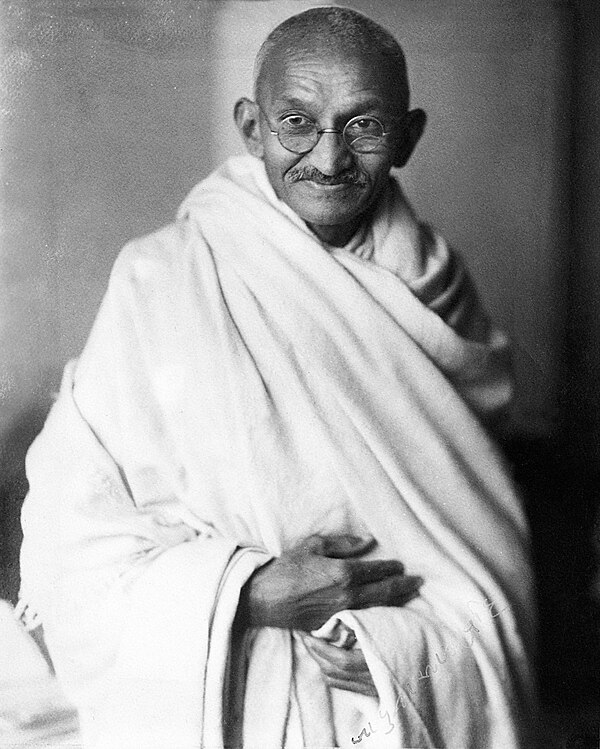
Mahatma Gandhi offers a profound challenge in his quote: "I will give you a talisman. Whenever you are in doubt, or when the self becomes too much with you, apply the following test. Recall the face of the poorest and the weakest man whom you may have seen, and ask yourself if the step you contemplate is going to be of any use to him." Here, Gandhi invites us to step outside our own concerns and consider the impact of our actions on the most vulnerable among us. This perspective is not merely a moral guideline; it is a transformative practice that can reshape our decision-making processes and deepen our sense of interconnectedness.
In a world often dominated by self-interest and individualism, Gandhi's talisman serves as a counterbalance, urging us to cultivate compassion and service. The stakes are high; our choices ripple through the fabric of society, affecting those who are already marginalized. By invoking the image of the poorest and weakest, Gandhi compels us to confront our privilege and to recognize our shared humanity. This call to action is not just about charity; it is about fostering a sense of responsibility towards one another, particularly towards those who suffer the most.
The image / the metaphor
The imagery in Gandhi's quote is striking and evocative. The "face of the poorest and the weakest man" conjures a vivid picture of vulnerability and suffering, inviting us to pause and reflect on the human condition. The verbs "recall" and "ask" suggest an active engagement with our conscience, urging us to not only remember but to interrogate our intentions. This is not a passive reflection; it is a call to action that requires us to engage with the world around us and to consider the implications of our choices.
Diving deeper into the metaphor, we can see that the "talisman" itself symbolizes a tool for discernment. It is a reminder that our decisions should be measured against a standard of compassion and utility for those who are less fortunate. In this sense, the talisman becomes a moral compass, guiding us through the complexities of life. By focusing on the needs of the weakest, we are invited to transcend our ego and to cultivate a sense of empathy that can lead to meaningful change.
In the speaker's tradition
Moreover, we can draw parallels to the teachings found in the Bhagavad Gita, where the idea of selfless action (karma yoga) is central. In Chapter 3, Krishna advises Arjuna to act without attachment to the fruits of his actions, emphasizing that true fulfillment comes from serving others. Gandhi's talisman echoes this sentiment, reminding us that our actions should be rooted in a commitment to the greater good, rather than in self-serving motives.
Living the teaching
Consider a modern scenario where this teaching can be applied: a corporate leader faced with the decision to downsize their workforce for profit maximization. In this moment of doubt, the leader can recall the faces of those who will be affected—their families, their struggles, their hopes. By applying Gandhi's test, the leader is prompted to reconsider the implications of their decision, potentially leading to a more compassionate approach that prioritizes the well-being of employees over mere financial gain.
Another application of this teaching can be found in personal relationships. Imagine a moment of conflict with a friend or family member, where the urge to assert one's own viewpoint becomes overwhelming. By recalling the face of the weakest person in the relationship—perhaps someone who feels unheard or marginalized—the individual can shift their perspective. This act of empathy can transform the interaction, fostering understanding and healing rather than division.
A reflection
As we contemplate Gandhi's powerful words, we are left with a poignant question: "In what ways can I ensure that my actions contribute to the well-being of those who are most vulnerable?" This inquiry invites us to reflect on our daily choices and the impact they have on the world around us. By integrating this question into our decision-making processes, we can cultivate a deeper sense of compassion and responsibility, ultimately enriching our lives and the lives of others.


