The True Essence of Wealth: A Contemplation on Health
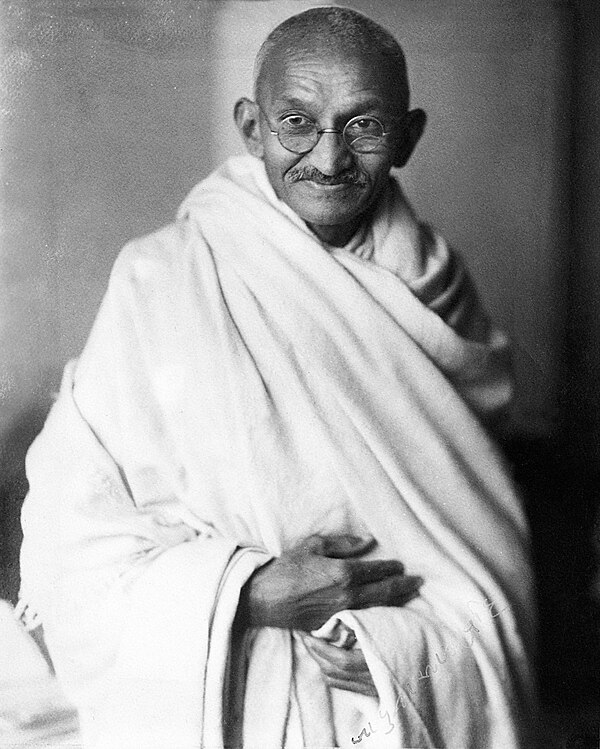
Mahatma Gandhi's assertion that "It is health that is real wealth, and not pieces of gold and silver" invites us to reconsider our understanding of prosperity and fulfillment. In a world often obsessed with material accumulation, this statement serves as a profound reminder that true wealth lies in our physical and mental well-being. The stakes are high; as we navigate the complexities of modern life, we must ask ourselves what we truly value and how we prioritize our health in the pursuit of happiness.
This quote resonates deeply in a society where the relentless chase for financial success can overshadow the fundamental importance of health. Gandhi's wisdom urges us to reflect on our priorities and the choices we make daily. By elevating health above material wealth, he challenges us to cultivate a holistic approach to life, one that honors our bodies and minds as the true vessels of our existence. In doing so, we can foster a deeper sense of contentment and purpose, ultimately leading to a more fulfilling life.
The image / the metaphor
The imagery in Gandhi's quote starkly contrasts the tangible allure of gold and silver with the intangible essence of health. Gold and silver, often symbols of wealth and success, represent the external markers of achievement that society values. In juxtaposition, health embodies a more profound, intrinsic quality that cannot be quantified or hoarded. The verbs chosen in this statement—"is" and "not"—create a clear distinction, emphasizing that health is not merely an alternative form of wealth but rather the foundation upon which all other forms of wealth rest.
In the speaker's tradition
Gandhi's perspective on health as true wealth is deeply rooted in the Hindu tradition, which emphasizes the interconnectedness of body, mind, and spirit. Concepts such as dharma, or righteous living, and bhakti, the path of devotion, highlight the importance of maintaining balance in all aspects of life. In this context, health is not merely a personal concern but a communal responsibility, reflecting the idea that our well-being is intertwined with that of others. This interconnectedness aligns with the principle of ahimsa, or non-violence, which advocates for the care of oneself and others as a fundamental ethical imperative.
Moreover, Gandhi's emphasis on health resonates with the teachings found in ancient texts such as the Bhagavad Gita, where the pursuit of self-realization and inner peace is paramount. The Gita teaches that true fulfillment arises from aligning one's actions with a higher purpose, transcending the fleeting nature of material possessions. In this light, Gandhi's assertion becomes a call to cultivate a life rooted in self-awareness and compassion, where health is cherished as the ultimate form of wealth.
Living the teaching
Consider a modern scenario where the teaching of valuing health over material wealth becomes particularly relevant. Imagine an individual caught in the relentless grind of a demanding job, sacrificing sleep, nutrition, and exercise in the pursuit of promotions and financial gain. Over time, this neglect leads to burnout, anxiety, and physical ailments, ultimately rendering the hard-earned wealth meaningless. In this situation, Gandhi's wisdom serves as a wake-up call, urging the individual to reassess their priorities and recognize that true success lies in nurturing their health and well-being.
Another application of this teaching can be found in the realm of relationships. Picture a partnership where one person is consumed by their career ambitions, often neglecting their partner's emotional and physical needs. This imbalance can lead to resentment and disconnection, undermining the very foundation of their relationship. By embracing Gandhi's perspective, both partners can cultivate a deeper understanding of the importance of health—emotional, mental, and relational—recognizing that nurturing their connection is essential for a fulfilling life together. In this way, the teaching becomes a guiding principle for fostering harmony and balance in all aspects of life.
A reflection
As we contemplate Gandhi's assertion that health is the true wealth, we are invited to reflect on our own lives and priorities. What steps can we take to honor our health as the foundation of our well-being? In a world that often equates success with material accumulation, how can we shift our focus to cultivate a deeper appreciation for the richness of health in our lives? These questions encourage us to engage in a contemplative practice, fostering a greater awareness of our choices and their impact on our overall well-being.


