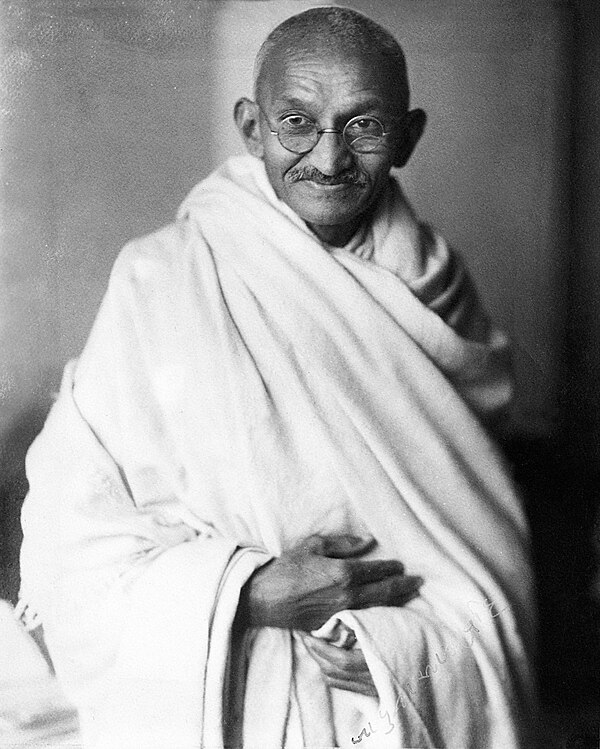
The Power of Permission: Embracing Inner Freedom
Mahatma Gandhi's assertion, "No one can hurt me without my permission," invites us to explore the profound relationship between our inner selves and the external world. This statement challenges us to consider the extent to which we allow others to influence our emotional and psychological well-being. In a world often rife with conflict and misunderstanding, Gandhi's words remind us that our emotional landscape is, to a significant degree, governed by our own choices and perceptions. The stakes are high; recognizing this power can lead to a transformative journey toward self-empowerment and resilience.
Delving deeper, we find that Gandhi's quote speaks to the essence of personal sovereignty and the courage required to maintain it. It suggests that the hurt inflicted by others is not merely a matter of external actions but is intricately tied to our internal responses. This perspective invites us to cultivate a sense of agency in our lives, encouraging us to reflect on how we navigate relationships and the emotional weight we carry. By understanding that we hold the key to our emotional responses, we can begin to reclaim our freedom and foster a more compassionate relationship with ourselves and others.
The image / the metaphor
The imagery in Gandhi's quote is strikingly powerful, evoking a sense of agency and autonomy. The phrase "without my permission" suggests a boundary, a line that delineates where our responsibility ends and that of others begins. It conjures the image of a fortress, where we are the gatekeepers of our emotional state. The verbs chosen—"hurt" and "permission"—imply an active engagement in our emotional lives, where we can choose to allow or deny the impact of others' actions on our inner peace.
Going deeper, the metaphor of permission speaks to the intricate dance of vulnerability and strength. To grant permission is to acknowledge the power of another while simultaneously asserting our own. This duality is essential in understanding the dynamics of human relationships; it highlights the delicate balance between openness to others and the necessity of self-protection. In this light, Gandhi's words become a call to cultivate discernment, urging us to navigate our interactions with awareness and intention.
In the speaker's tradition
In the Bhagavad Gita, a foundational text of Hindu philosophy, we find a parallel to Gandhi's teaching in the concept of equanimity. Krishna advises Arjuna to maintain a balanced mind amidst the chaos of battle, suggesting that true strength lies in one's ability to remain unaffected by external circumstances. This wisdom echoes Gandhi's assertion, as both emphasize the importance of inner fortitude and the conscious choice to remain unshaken by the actions of others. Through these teachings, we are reminded that our emotional well-being is deeply intertwined with our understanding of self and duty.
Living the teaching
Consider a modern scenario where this teaching can be applied: a workplace conflict where a colleague's harsh criticism leaves you feeling wounded. In this moment, Gandhi's words serve as a reminder that you have the power to choose your response. Instead of internalizing the hurt, you can reflect on the intention behind the criticism and decide whether to allow it to affect your self-worth. By recognizing that the impact of their words is contingent upon your permission, you reclaim your emotional sovereignty and can respond with clarity rather than reactivity.
Another application of this teaching might arise in personal relationships, particularly during moments of tension or disagreement. When a loved one expresses frustration, it can be easy to feel hurt or defensive. However, by embracing Gandhi's insight, you can pause and assess whether you are granting permission for their emotions to dictate your own. This practice encourages open communication and fosters a deeper understanding of each other's perspectives, ultimately strengthening the bond between you. In these instances, the act of choosing how to respond becomes a powerful tool for cultivating compassion and resilience.
A reflection
As we contemplate Gandhi's profound assertion, we are invited to reflect on our own lives: In what ways do we grant permission to others to affect our emotional state? This question encourages us to explore the boundaries we set in our relationships and the extent to which we allow external influences to shape our inner world. By engaging with this inquiry, we can begin to cultivate a deeper sense of self-awareness and empowerment, ultimately leading us toward a more liberated and authentic existence.


