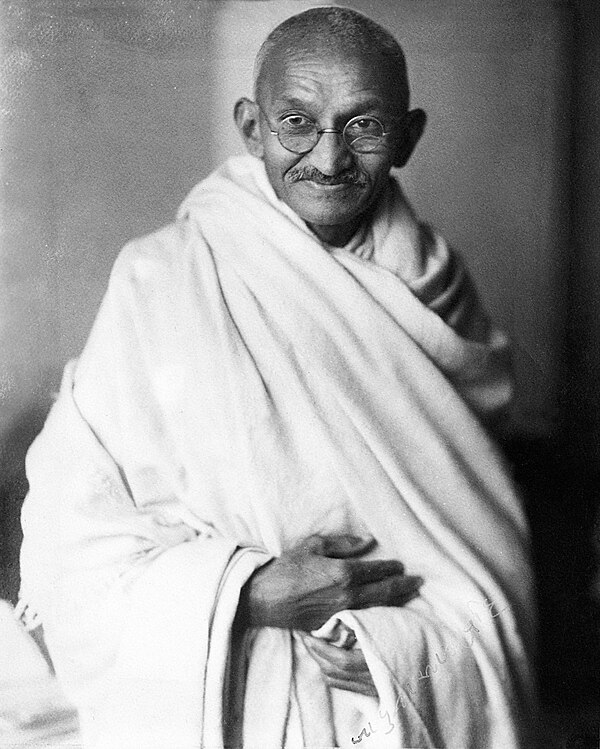
Mahatma Gandhi's assertion that "the day the power of love overrules the love of power, the world will know peace" invites us to reflect on the profound implications of love as a guiding force in our lives. In this statement, Gandhi juxtaposes two powerful forces: love and power. The stakes are high; the future of humanity hinges on our ability to prioritize love over the often destructive pursuit of power. This quote serves as a beacon, urging us to envision a world where compassion and understanding triumph over domination and control.
At its core, Gandhi's message is a call to action, a reminder that the essence of our humanity lies in our capacity to love. The love of power, which often manifests as greed, ambition, and conflict, can lead to division and strife. In contrast, the power of love fosters unity, healing, and peace. This dichotomy is not merely theoretical; it is a lived reality that shapes our interactions, our societies, and ultimately, our world. As we delve deeper into this quote, we uncover layers of meaning that resonate with our spiritual journeys and collective aspirations.
The image / the metaphor
The imagery in Gandhi's quote is striking, evoking a world transformed by love. The phrase "the power of love" suggests a dynamic force, one that can influence and reshape our reality. In contrast, "the love of power" implies a possessive, often destructive desire that can lead to conflict and suffering. The verbs chosen—"overrules"—indicate a struggle between these two forces, highlighting the tension that exists within us and in the world around us. This struggle is not just external; it is an internal battle that each individual must confront.
Diving deeper into the metaphor, we see that love is portrayed as a liberating force, one that has the potential to dismantle the structures of oppression and fear created by the love of power. This suggests that love is not passive; it is an active, transformative energy that can lead to profound change. Gandhi's vision of peace is not merely the absence of conflict but the presence of a love that transcends boundaries and fosters understanding. It is a call to cultivate a love that is fierce, courageous, and unwavering in the face of adversity.
In the speaker's tradition
Furthermore, the Bhagavad Gita offers a relevant perspective on this theme. In its teachings, the Gita emphasizes the importance of selfless action and devotion to the greater good. Arjuna's struggle on the battlefield mirrors the internal conflict between love and power, as he grapples with his duty and the moral implications of his choices. Ultimately, the Gita advocates for a path of love and selflessness, reinforcing Gandhi's assertion that true peace arises when love prevails over the desire for power.
Living the teaching
In our modern world, the teaching encapsulated in Gandhi's quote can be observed in various contexts, particularly in social justice movements. Consider the efforts of activists who prioritize love and compassion in their fight against systemic oppression. These individuals often face immense challenges, yet they choose to respond with love rather than hatred. This approach not only fosters solidarity among diverse communities but also creates a ripple effect, inspiring others to join in the pursuit of justice through love rather than power. Such movements remind us that the power of love can indeed catalyze significant societal change.
On a more personal level, we can apply this teaching in our relationships. Imagine a moment of conflict with a loved one, where the desire to assert one's power or to be right threatens to escalate tensions. In such instances, choosing to respond with love—listening deeply, empathizing, and seeking understanding—can transform the dynamic. This practice of prioritizing love over the need to dominate or control can lead to deeper connections and a more harmonious existence. By embodying this principle in our daily interactions, we contribute to a culture of peace that reflects Gandhi's vision.
A reflection
As we contemplate Gandhi's profound words, we are invited to examine our own lives and the choices we make. In what ways do we allow the love of power to overshadow the power of love? This question encourages us to reflect on our motivations, our relationships, and our impact on the world around us. By engaging with this inquiry, we can begin to align our actions with the transformative power of love, fostering peace within ourselves and in our communities.


