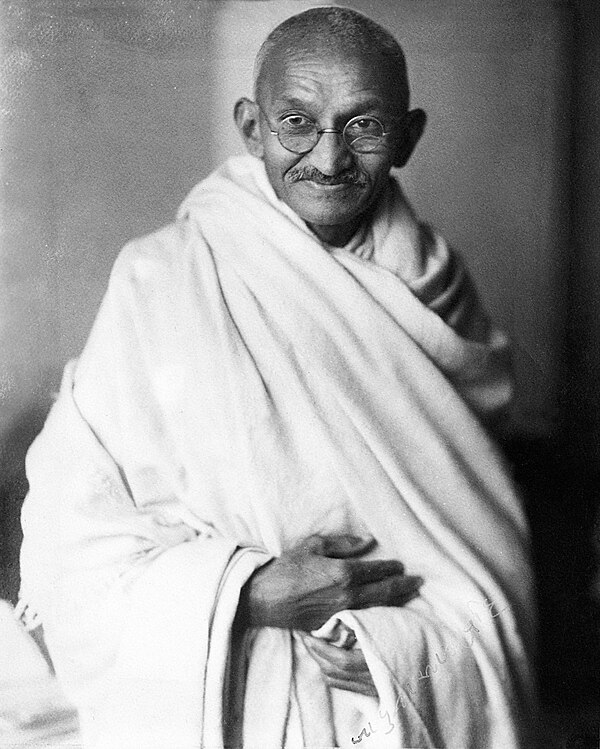
Mahatma Gandhi's assertion that "Truth never damages a cause that is just" invites us to reflect on the profound relationship between truth and justice. In a world often marred by deception and moral ambiguity, this quote serves as a beacon, reminding us that genuine truth, when aligned with righteousness, cannot undermine the integrity of a just cause. The stakes are high; in our pursuit of justice, we must navigate the complexities of truth, understanding that it is not merely a tool but a guiding principle that can illuminate the path forward.
As we delve deeper into this statement, we recognize that Gandhi's words challenge us to examine our own relationship with truth. Are we willing to embrace the uncomfortable realities that truth may reveal? In a society that frequently prioritizes convenience over authenticity, the call to uphold truth becomes a radical act of courage. This exploration of truth is not just an intellectual exercise; it is a spiritual journey that compels us to align our actions with our deepest values, fostering a sense of integrity that resonates within our communities.
The image / the metaphor
The imagery within Gandhi's quote evokes a sense of steadfastness and resilience. The word "damages" suggests a potential harm that truth might inflict, yet it is countered by the assurance that such harm is only directed towards causes that lack righteousness. This juxtaposition creates a vivid picture of truth as a powerful force, one that can cut through the illusions that often shroud our understanding of justice. The verbs chosen—"damages" and "just"—carry weight, emphasizing the moral imperative to discern the nature of the causes we champion.
Diving deeper into the metaphor, we can see truth as a double-edged sword. While it may expose uncomfortable realities, it simultaneously serves as a foundation for authentic justice. In this light, truth becomes a purifying agent, capable of revealing the essence of what is just and right. The felt sense of this quote is one of liberation; when we embrace truth, we are not merely defending a cause but nurturing a deeper understanding of justice itself, one that transcends superficial narratives and connects us to a more profound moral compass.
In the speaker's tradition
Moreover, Gandhi's emphasis on truth resonates with the teachings found in the Bhagavad Gita, where the pursuit of righteousness is intricately linked to self-realization and the understanding of one's role in the cosmic order. In this text, the idea of acting in accordance with one's true nature is paramount, suggesting that when we align our actions with truth, we not only serve our own spiritual growth but also contribute to the greater good. This interplay between truth and justice is a recurring theme in Hindu thought, inviting us to explore how our individual truths can harmonize with collective justice.
Living the teaching
In contemporary society, the application of Gandhi's teaching can be seen in various social justice movements that strive to expose systemic injustices. For instance, consider the fight against racial inequality, where activists often face the daunting task of revealing uncomfortable truths about societal structures. In this context, the commitment to truth becomes a powerful catalyst for change, as it challenges the status quo and compels society to confront its own failings. By embracing truth, these movements not only advocate for justice but also foster a deeper understanding of the complexities involved in achieving it.
On a more personal level, we can apply this teaching in our relationships. Imagine a situation where a friend is struggling with a difficult decision, and you feel compelled to share an honest perspective that may be hard for them to hear. In this moment, the challenge lies in balancing compassion with truth. By approaching the conversation with empathy and a commitment to honesty, you embody the essence of Gandhi's teaching, recognizing that truth, when delivered with love, can ultimately serve to strengthen the bonds of trust and understanding between individuals.
A reflection
As we contemplate Gandhi's assertion that "Truth never damages a cause that is just," we are invited to reflect on our own lives and the causes we support. Are we willing to confront the truths that may challenge our beliefs or the narratives we hold dear? In what ways can we cultivate a deeper commitment to truth in our pursuit of justice, both personally and collectively? These questions beckon us to engage in a contemplative practice that not only seeks to understand truth but also to embody it in our actions and relationships.


