The Significance of Insignificance
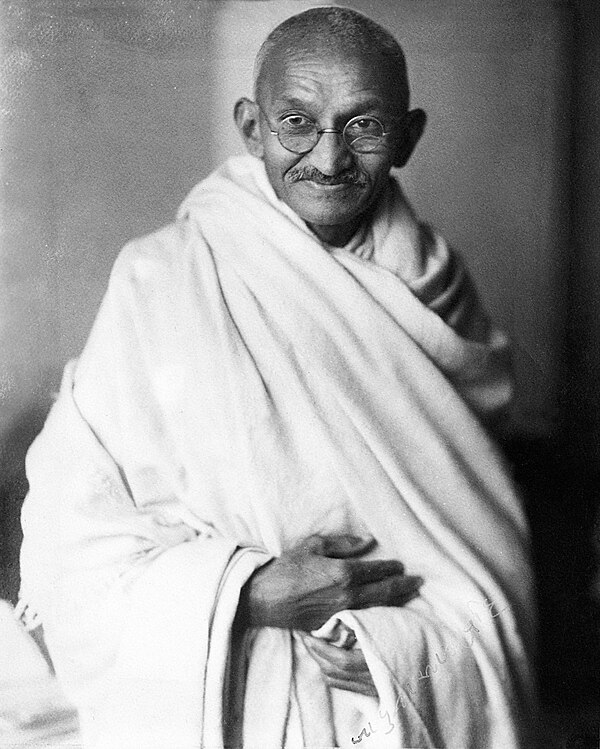
Mahatma Gandhi's poignant assertion, "Whatever you do will be insignificant, but it is very important that you do it," invites us to reflect on the nature of our actions and their place in the grand tapestry of existence. At first glance, this statement may seem disheartening, suggesting that our efforts are ultimately futile. Yet, it is precisely this recognition of the insignificance of individual actions that can liberate us from the burdens of expectation and ego, allowing us to engage more fully and authentically in the world around us.
In a society that often equates worth with achievement and success, Gandhi's words serve as a gentle reminder of the humility inherent in our human experience. The importance of action lies not in its scale or impact but in the intention and commitment behind it. By embracing this perspective, we can cultivate a deeper sense of purpose and connection to our daily lives, recognizing that every small act contributes to the larger whole, even if we cannot always see its effects.
The image / the metaphor
The imagery in Gandhi's quote evokes a sense of paradox. The word "insignificant" suggests a diminutive value, while the phrase "very important" elevates the act of doing to a place of profound necessity. This duality captures the essence of human existence: our individual actions may seem like mere drops in an ocean, yet each drop is vital to the ocean's entirety. The verbs "do" and "will be" emphasize the immediacy of action and the inevitability of its perceived worthlessness, inviting us to engage with our lives without the weight of expectation.
Diving deeper into the metaphor, we can see that Gandhi is not dismissing the value of our efforts; rather, he is encouraging us to act with humility and authenticity. The insignificance of our actions can be liberating, freeing us from the fear of failure and the pressure to achieve greatness. In this light, the act of doing becomes a form of devotion, a practice of presence that connects us to the moment and to one another, regardless of the outcome.
In the speaker's tradition
Furthermore, Gandhi's emphasis on the importance of action can be likened to the concept of bhakti, or devotion, which highlights the significance of intention and love in our endeavors. In the Bhagavad Gita, Krishna advises Arjuna to perform his duty without attachment to the fruits of his actions, reinforcing the idea that the act itself holds intrinsic value. This teaching encourages us to engage wholeheartedly in our pursuits, regardless of their perceived significance, fostering a sense of humility and devotion in our daily lives.
Living the teaching
Consider a modern scenario in which a person volunteers at a local shelter. They may feel that their contributions are small in the grand scheme of societal issues like poverty and homelessness. Yet, Gandhi's teaching reminds us that the act of volunteering, regardless of its scale, is vital. Each meal served, each conversation shared, and each moment of compassion offered creates ripples of connection and kindness that can profoundly affect those in need. By embracing the insignificance of their individual efforts, the volunteer can find joy and purpose in the act itself, rather than being weighed down by the enormity of the problem.
In relationships, this teaching can manifest in the way we communicate and support one another. A simple gesture, like listening attentively to a friend in distress, may seem trivial in the face of their struggles. However, Gandhi's wisdom encourages us to recognize the importance of these small acts of love and presence. By showing up for one another, we affirm our shared humanity and contribute to a deeper sense of connection, reminding ourselves that every act of kindness, no matter how small, holds significance in the fabric of our lives.
A reflection
As we contemplate Gandhi's profound words, we might ask ourselves: In what areas of my life do I hesitate to act because I perceive my efforts as insignificant? This question invites us to explore the ways in which we can embrace action, no matter how small, as a vital expression of our existence. By reflecting on our intentions and the impact of our actions, we can cultivate a deeper sense of purpose and connection, allowing us to engage more fully with the world around us.


