The Vital Essence of Love
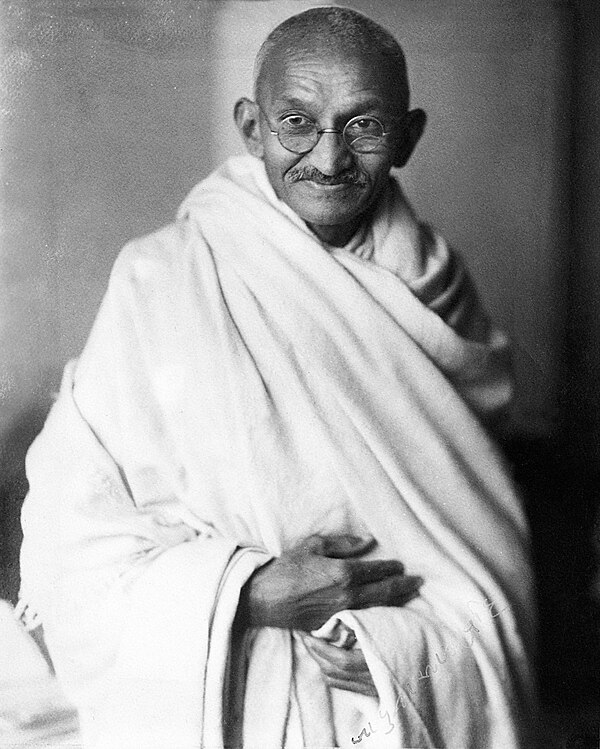
Mahatma Gandhi's assertion, "Where there is love, there is life," encapsulates a profound truth about the human experience. In this simple yet powerful statement, Gandhi invites us to recognize that love is not merely an emotion but a vital force that animates our existence. Without love, life can feel hollow and devoid of meaning, while love infuses our days with purpose and connection. This perspective is particularly significant in a world often marked by division and strife, reminding us that love is the foundation upon which a fulfilling life is built.
Delving deeper into this quote, we find that it speaks to the interconnectedness of love and life itself. Love, in its many forms—be it familial, romantic, or altruistic—serves as a catalyst for growth, healing, and transformation. It is through love that we forge relationships, cultivate compassion, and engage with the world around us. Gandhi's words challenge us to consider how we can embody love in our daily lives, suggesting that the presence of love not only enriches our own existence but also enhances the lives of those we encounter.
The image / the metaphor
The imagery in Gandhi's quote evokes a sense of vitality and movement, suggesting that love is a dynamic force that breathes life into our existence. The verb "is" implies a state of being, indicating that love is not just an accessory to life but its very essence. This notion invites us to visualize love as a nurturing presence, akin to sunlight that fosters growth in nature. Just as plants thrive in the warmth of the sun, so too do our spirits flourish in the embrace of love.
In the speaker's tradition
Situated within the Hindu tradition, Gandhi's perspective on love resonates deeply with concepts such as bhakti, or devotional love, which emphasizes a profound connection to the divine through acts of love and service. This notion of love as a spiritual practice aligns with the idea of dharma, where one's duty is to act with love and compassion towards others. In this context, love becomes a guiding principle that shapes our actions and interactions, urging us to live in harmony with the world around us.
Moreover, Gandhi's understanding of love can be paralleled with the concept of ahimsa, or non-violence, which is central to his philosophy. Ahimsa is rooted in love and compassion, advocating for the well-being of all living beings. In his writings, Gandhi often referenced the importance of love as a transformative force, suggesting that true life is found in the practice of love and non-violence towards oneself and others. This interconnectedness of love and life is a recurring theme in many Hindu texts, reinforcing the idea that love is essential for a meaningful existence.
Living the teaching
In contemporary life, the teaching that "where there is love, there is life" can manifest in various scenarios. Consider a workplace environment where collaboration and support flourish among colleagues. When love—understood as respect, kindness, and empathy—permeates the atmosphere, individuals feel valued and motivated, leading to greater productivity and job satisfaction. This example illustrates how love can transform not just personal relationships but also communal spaces, fostering a sense of belonging and purpose.
On a more personal level, this teaching can be applied within the context of intimate relationships. Imagine a couple navigating a challenging period; when they approach their difficulties with love—listening, understanding, and supporting one another—they create an environment where both partners can grow and heal. In contrast, when love is absent, misunderstandings and resentment can take root, stifling the relationship's potential. By consciously choosing to embody love in our interactions, we cultivate a life rich in connection and fulfillment.
A reflection
As we contemplate Gandhi's assertion, we are invited to reflect on the role of love in our own lives. How can we actively cultivate love in our daily interactions, both with ourselves and others? This question encourages us to consider the ways in which love can transform our experiences, prompting us to seek deeper connections and a more meaningful existence. In a world that often feels fragmented, the practice of love may be the key to unlocking a fuller, more vibrant life.


