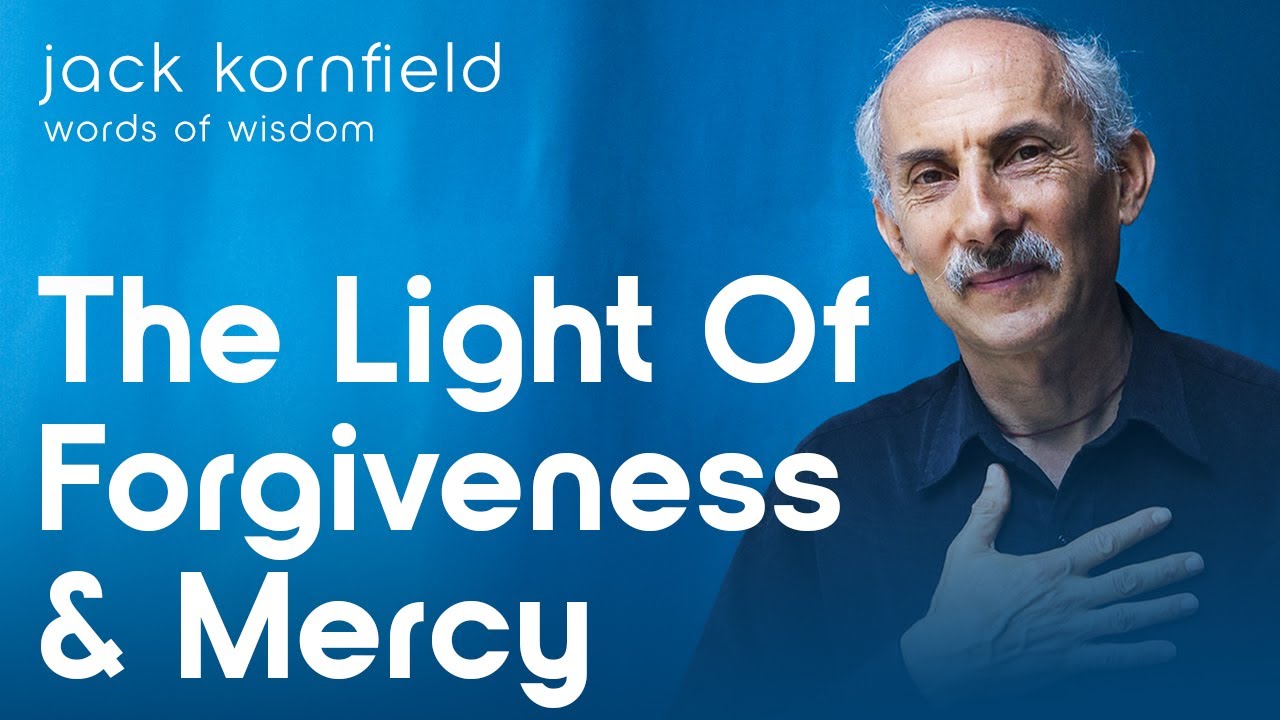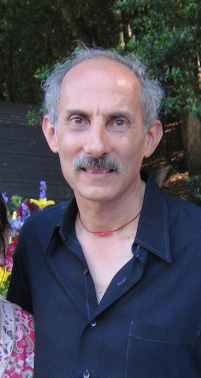
Jack Kornfield's assertion that "All the great spiritual traditions point us back to the present moment" serves as a profound reminder of the importance of presence in our lives. In a world often consumed by distractions and future anxieties, this quote invites us to pause and recognize the significance of the here and now. The essence of spiritual wisdom across various traditions emphasizes that true fulfillment and understanding can only be found in the present, urging us to cultivate awareness and mindfulness in our daily experiences.
To delve deeper into this notion, we must acknowledge that the present moment is not merely a fleeting point in time; it is the very foundation of our existence. Each moment offers a unique opportunity for insight, connection, and transformation. By grounding ourselves in the present, we can access the richness of life that often eludes us when we are preoccupied with regrets of the past or fears of the future. Kornfield's words resonate with the timeless wisdom that encourages us to embrace the now as a sacred space for growth and understanding.
The image / the metaphor
The imagery in Kornfield's quote evokes a sense of journeying through the vast landscape of spiritual traditions, all of which converge at the singular point of the present moment. The use of the word "point" suggests a sharp focus, a clarity that can only be attained when we anchor ourselves in the here and now. This metaphorical convergence implies that regardless of the diverse paths we may tread, the essence of spiritual awakening lies in our ability to be fully present, to engage with life as it unfolds.
In the speaker's tradition
Jack Kornfield, a prominent figure in the Buddhist tradition, draws upon the teachings of mindfulness and presence that are central to this path. Concepts such as dharma, which refers to the natural order of the universe, and prajna, or wisdom, highlight the importance of understanding our experiences in the present moment. In Buddhism, the practice of mindfulness is not merely a technique but a way of being that allows us to cultivate a deeper connection with ourselves and the world, ultimately leading to liberation from suffering.
In his book, "A Path with Heart," Kornfield emphasizes the significance of embracing our experiences without judgment, echoing the teachings found in the Satipatthana Sutta, which outlines the foundations of mindfulness. This ancient text encourages practitioners to observe their thoughts, feelings, and sensations with a sense of curiosity and compassion, reinforcing the idea that the present moment is a fertile ground for insight and healing. By situating Kornfield's quote within this rich tradition, we can appreciate the depth of wisdom that calls us to return to the now.
Living the teaching
Consider a modern scenario where this teaching might resonate: imagine a busy professional caught in the whirlwind of deadlines and responsibilities. In the midst of this chaos, the notion of returning to the present moment can feel like a distant dream. However, by consciously taking a few moments each day to breathe deeply and center oneself, this individual can cultivate a sense of presence that transforms their experience. Rather than being swept away by the demands of the future, they can find clarity and focus in the tasks at hand, ultimately enhancing their productivity and well-being.
In the realm of relationships, the practice of presence can be equally transformative. Picture a couple engaged in a heated discussion, each person fixated on their own grievances and perspectives. By consciously choosing to return to the present moment, they can listen to one another with empathy and understanding, fostering a deeper connection. This shift from distraction to presence allows for the possibility of reconciliation and growth, illustrating how Kornfield's teaching can be applied in the most intimate aspects of our lives.
A reflection
As we contemplate Kornfield's profound insight, we are invited to reflect on our own relationship with the present moment. How often do we find ourselves lost in thoughts of what has been or what might be, neglecting the beauty and richness of the now? In this spirit, consider this contemplative question: What would it feel like to fully inhabit the present moment, embracing it as a sacred space for growth, connection, and understanding?