The Threshold of Awareness: Where Suffering Transforms into Freedom
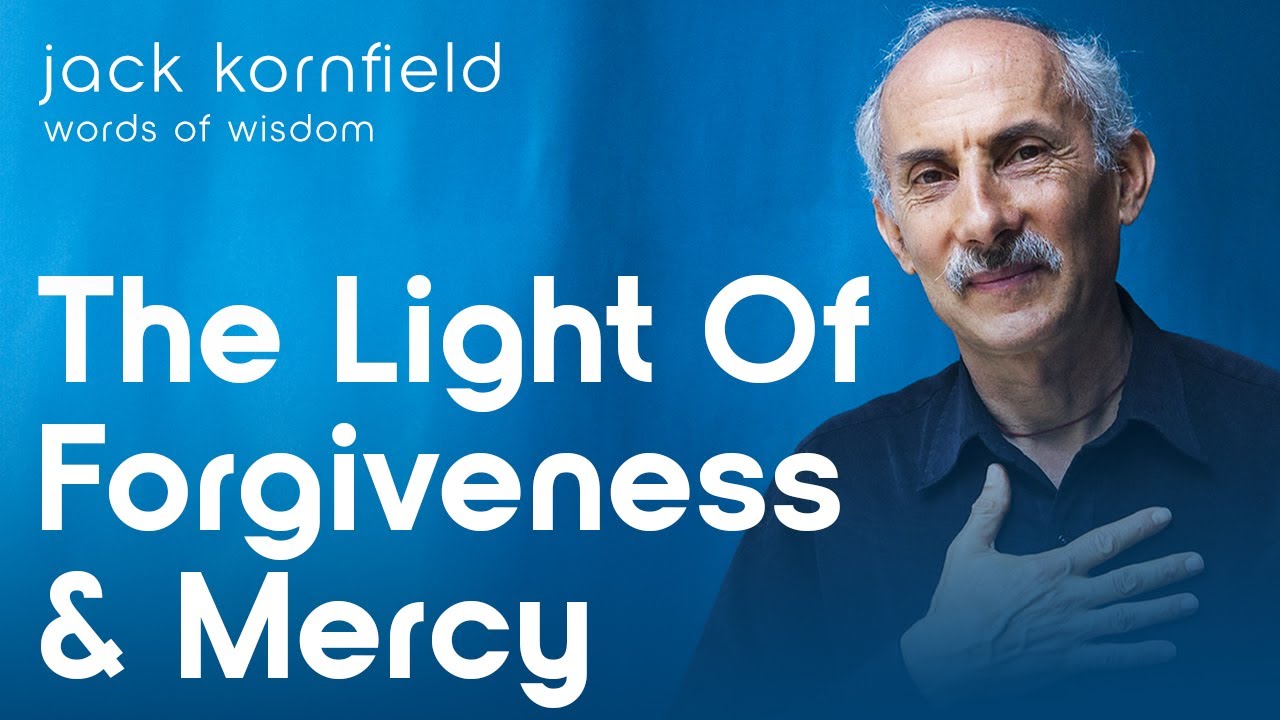
Jack Kornfield's assertion that "Awareness is the place where suffering ends and freedom begins" invites us to explore the profound relationship between consciousness and liberation. In this statement, Kornfield encapsulates a fundamental truth of the human experience: the recognition that our suffering often stems from our inability to fully engage with the present moment. By cultivating awareness, we can transcend the cycles of pain that bind us, opening the door to a more liberated existence. This exploration is not merely philosophical; it is a call to action, urging us to embrace the transformative power of mindfulness.
To deepen our understanding, we must consider the implications of awareness as a transformative force. Awareness is not a passive state; it is an active engagement with our thoughts, emotions, and sensations. It requires us to confront our suffering rather than flee from it, to observe our inner landscape with compassion and curiosity. In doing so, we create a fertile ground for healing and growth, allowing freedom to emerge from the ashes of our struggles. Kornfield's words resonate with the essence of Buddhist practice, where the cultivation of awareness serves as a pathway to liberation.
The image / the metaphor
The imagery in Kornfield's quote evokes a powerful juxtaposition: suffering and freedom, two states of being that are often perceived as opposites. The verb "ends" suggests a definitive conclusion, while "begins" implies a new journey. This duality captures the essence of the human experience, where suffering can feel inescapable yet is also a precursor to liberation. The felt sense of this quote is one of hope; it invites us to envision a space where our burdens can be laid down, and we can step into a new reality defined by freedom and possibility.
In the speaker's tradition
Jack Kornfield, a prominent figure in the Western adaptation of Buddhism, draws upon a rich tapestry of Buddhist teachings to illuminate the path to awareness. Central to this tradition is the concept of dharma, which encompasses the teachings of the Buddha and the ethical framework guiding our actions. Kornfield’s emphasis on awareness aligns with the Buddhist practice of mindfulness, or sati, which encourages us to remain present and attentive to our thoughts and feelings. This practice fosters a deep understanding of sunyata, or emptiness, revealing that our suffering often arises from attachment to fixed notions of self and reality.
In his book "The Wise Heart," Kornfield references the transformative power of awareness through the lens of prajna, or wisdom. This wisdom is not merely intellectual but experiential, cultivated through mindful observation of our inner and outer worlds. The teachings of the Buddha emphasize that true freedom arises when we recognize the impermanent nature of all things, including our suffering. By embracing this understanding, we can begin to dismantle the barriers that confine us, allowing the light of freedom to shine through.
Living the teaching
Consider a modern scenario where Kornfield's teaching resonates deeply: a person grappling with anxiety in their daily life. This individual may find themselves caught in a cycle of worry, feeling trapped by their thoughts and emotions. By practicing awareness, they can begin to observe their anxiety without becoming overwhelmed by it. This shift allows them to recognize that their suffering is not an inherent part of their identity but a transient experience that can be understood and transformed. In this way, awareness becomes a lifeline, guiding them toward a more liberated state of being.
Another application of this teaching can be found in the realm of relationships. Imagine a couple facing conflict, where misunderstandings and hurt feelings have created a rift between them. By cultivating awareness, each partner can approach the situation with a willingness to listen and understand rather than react defensively. This mindful engagement fosters a deeper connection, allowing them to navigate their suffering together and emerge with a renewed sense of freedom and intimacy. In both scenarios, awareness serves as the catalyst for transformation, illuminating the path from suffering to liberation.
A reflection
As we contemplate Kornfield's profound statement, we are invited to reflect on the nature of our own awareness. What patterns of suffering do we find ourselves entangled in, and how might cultivating awareness help us to transcend them? This question encourages us to engage with our inner landscape, fostering a deeper understanding of ourselves and our experiences. In the quiet moments of reflection, we may discover that the key to our freedom lies not in escaping our suffering but in embracing it with open hearts and minds.