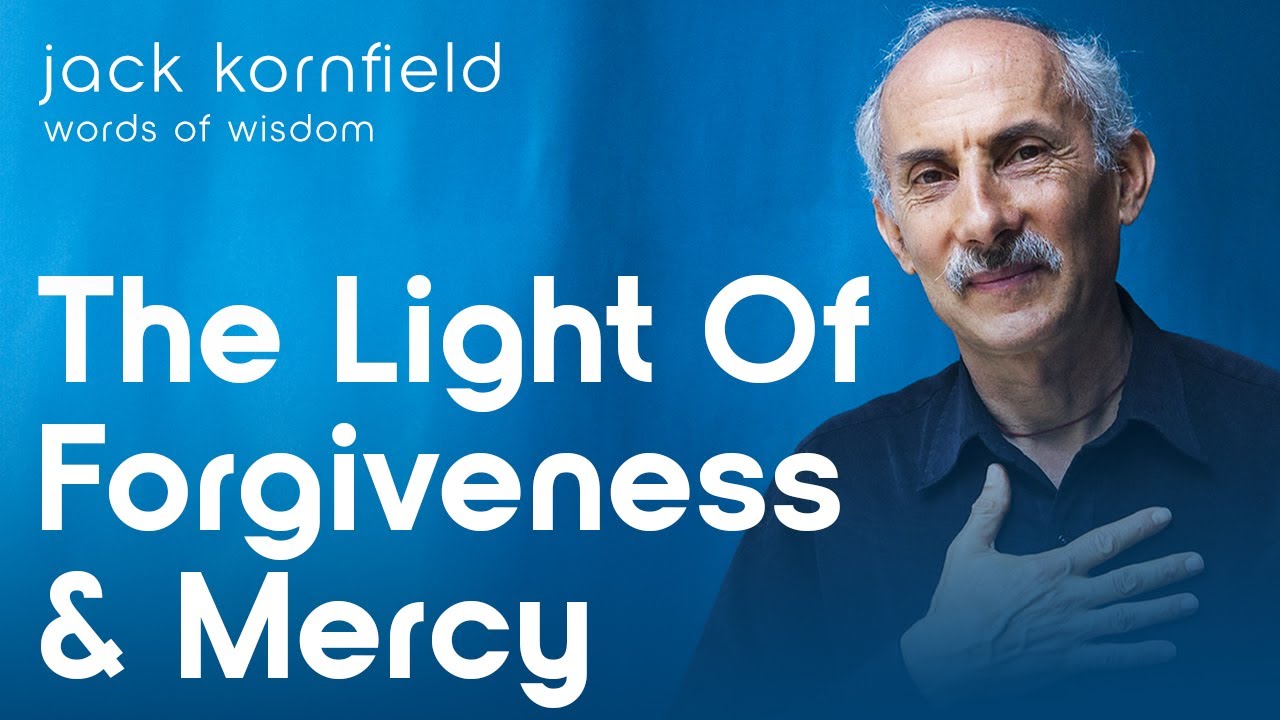
Jack Kornfield's assertion, "Ground yourself in the body. The body knows truth before the mind catches up," invites us to explore the profound relationship between our physical being and the deeper truths of existence. In a world often dominated by intellectual pursuits and abstract reasoning, this quote serves as a gentle reminder to reconnect with our corporeal selves. The stakes are high; neglecting the wisdom of the body can lead to disconnection from our authentic selves, leaving us adrift in a sea of confusion and uncertainty.
This call to ground ourselves in the body is not merely a suggestion but a fundamental aspect of spiritual practice. It emphasizes the importance of embodiment in our quest for understanding and truth. The body, with its sensations, emotions, and instincts, serves as a compass that guides us toward deeper insights, often before our rational minds can articulate them. By cultivating awareness of our physical presence, we can tap into a reservoir of wisdom that transcends intellectual reasoning, allowing us to navigate life's complexities with greater clarity and authenticity.
The image / the metaphor
The imagery in Kornfield's quote evokes a sense of rootedness and stability. To "ground yourself in the body" suggests a deliberate act of anchoring oneself in the present moment, feeling the weight of one's physical form, and acknowledging the sensations that arise within it. The verbs "ground" and "know" imply an active engagement with our bodily experience, inviting us to listen attentively to what our bodies communicate. This felt sense of embodiment becomes a pathway to truth, one that is often overlooked in our fast-paced, mentally-driven lives.
Diving deeper into the metaphor, we can see the body as a vessel of wisdom, a living archive of our experiences, emotions, and instincts. Just as a tree draws nourishment from the earth, we too can draw insights from our physical sensations and emotional responses. The body, in this context, becomes a wise teacher, offering guidance that is immediate and visceral. This understanding challenges the common perception that truth is solely a product of intellectual reasoning, inviting us to embrace a more holistic approach to knowing.
In the speaker's tradition
Jack Kornfield, a prominent figure in the Buddhist tradition, draws upon concepts that resonate deeply with the idea of embodiment. Central to Buddhist teachings is the notion of dharma, which encompasses the truth of existence and the path toward enlightenment. The practice of mindfulness, a key aspect of dharma, encourages individuals to cultivate awareness of their bodily sensations and emotions, fostering a direct connection to the present moment. This alignment with the body is essential for realizing the truth of our experiences and the impermanence of life.
Moreover, the concept of sunyata, or emptiness, in Buddhist philosophy suggests that our understanding of reality is often clouded by mental constructs. By grounding ourselves in the body, we can begin to peel away these layers of illusion, accessing a more profound understanding of our true nature. Kornfield's teachings echo this sentiment, as he encourages practitioners to embrace their physicality as a means of connecting with the deeper truths of existence. In his book, "The Wise Heart," he emphasizes the importance of integrating body and mind in the pursuit of wisdom, illustrating how this union can lead to transformative insights.
Living the teaching
Consider a modern scenario where this teaching can be applied: a busy professional navigating the demands of a high-pressure job. In the midst of deadlines and meetings, it is easy to become disconnected from one's body, leading to stress and anxiety. By taking a moment to pause, breathe, and tune into physical sensations—perhaps feeling the weight of one's feet on the ground or the rhythm of the breath—this individual can reconnect with their body. This grounding practice not only alleviates tension but also provides clarity, enabling them to approach challenges with a more centered and authentic perspective.
In the realm of relationships, the wisdom of the body can also play a crucial role. Imagine a couple facing a difficult conversation, where emotions run high and misunderstandings abound. By grounding themselves in their bodies, each partner can cultivate awareness of their feelings and reactions, allowing them to communicate more effectively. Instead of reacting from a place of defensiveness or fear, they can express their truths with vulnerability and authenticity, fostering deeper connection and understanding. This practice of embodiment transforms not only individual experiences but also the dynamics of relationships, creating space for healing and growth.
A reflection
As we contemplate Kornfield's invitation to ground ourselves in the body, we might ask ourselves: How often do I listen to the wisdom of my body in my daily life? This question invites us to reflect on our relationship with our physical selves and the extent to which we honor the insights that arise from our embodied experiences. By nurturing this connection, we can cultivate a deeper understanding of ourselves and the world around us, allowing the truth to unfold in its own time.