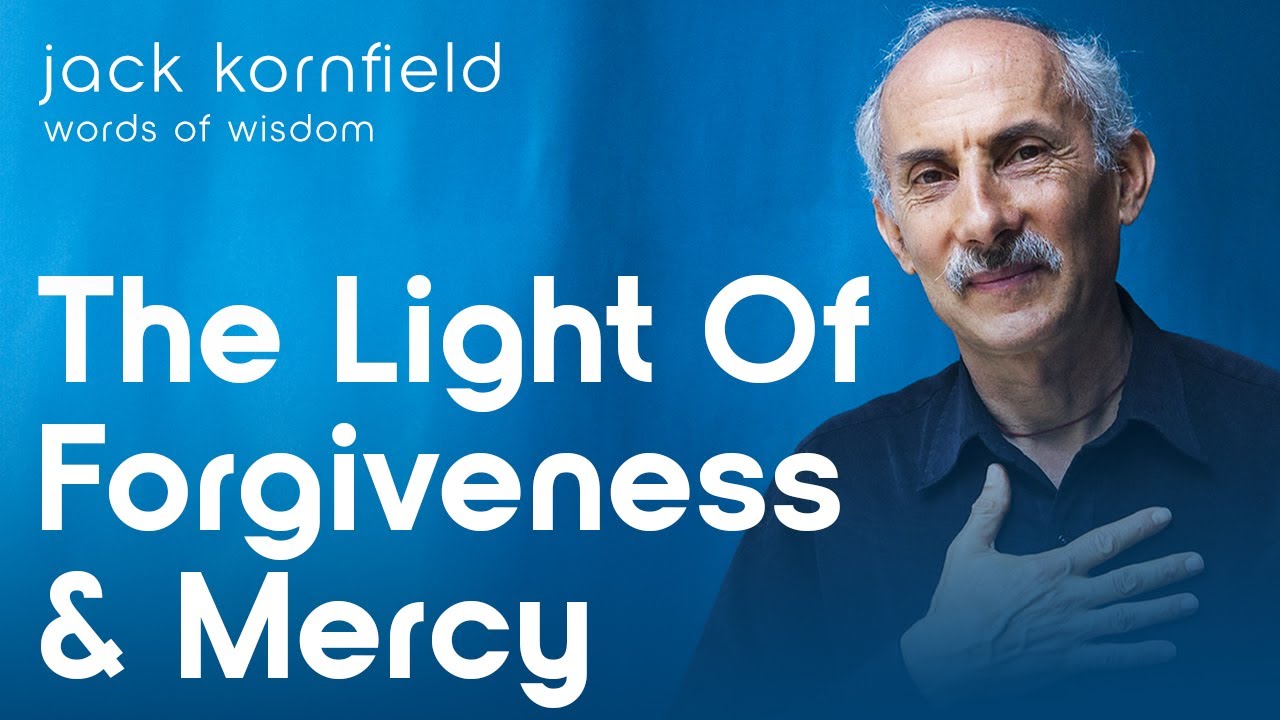
Returning to Stillness: The Breath as a Guide Through Confusion
Jack Kornfield's poignant reminder, "In any moment of confusion, return to the breath," invites us to find solace and clarity amidst the chaos of our thoughts and emotions. In a world often characterized by rapid change and uncertainty, this simple yet profound practice of returning to our breath serves as an anchor, grounding us in the present moment. The stakes are high; without this return, we risk being swept away by the currents of confusion, losing sight of our inner peace and wisdom.
To deepen our understanding, we must recognize that confusion is not merely a state of mind but a pervasive experience that can cloud our judgment and distort our perception of reality. In these moments, the breath becomes a powerful tool, a bridge that connects us to our innate stillness and clarity. By focusing on our breath, we cultivate a sense of awareness that allows us to navigate through confusion with grace and insight, transforming our experience from one of turmoil to one of calm reflection.
The image / the metaphor
The imagery in Kornfield's quote evokes a sense of returning, suggesting that the breath is not just a physiological function but a metaphorical pathway back to our true selves. The act of breathing is portrayed as a deliberate choice, a conscious return to a state of being that is often overshadowed by the noise of our thoughts. The verbs "return" and "breath" are laden with meaning; they imply a journey inward, a movement away from distraction and toward a deeper understanding of our own nature.
Diving deeper into this metaphor, we can see the breath as a symbol of life itself—constant, rhythmic, and ever-present. In moments of confusion, our breath can serve as a reminder of the simplicity and beauty of existence. It invites us to pause, to inhale the richness of the present moment, and to exhale the tension and uncertainty that may be clouding our minds. This cyclical process of inhalation and exhalation mirrors the ebb and flow of life, teaching us to embrace both clarity and confusion as integral parts of our journey.
In the speaker's tradition
Jack Kornfield, a prominent figure in the Western adaptation of Buddhist teachings, draws upon the rich tapestry of Buddhist philosophy to illuminate the significance of the breath. Within this tradition, concepts such as mindfulness (sati) and the cultivation of awareness are central to understanding our experiences. The practice of returning to the breath aligns with the Buddhist path of dharma, which emphasizes the importance of being present and aware in each moment, allowing us to cultivate wisdom (prajna) and compassion.
In the context of Buddhist texts, the Satipatthana Sutta, or the Discourse on the Foundations of Mindfulness, underscores the importance of mindfulness of breathing as a foundational practice. This text teaches that by focusing on the breath, we can develop a profound understanding of the nature of our thoughts and emotions, ultimately leading to liberation from suffering. Kornfield's teaching resonates deeply with this ancient wisdom, reminding us that the breath is a portal to insight and clarity, guiding us through the fog of confusion.
Living the teaching
Consider a modern scenario where this teaching can be applied: imagine sitting in a meeting where tensions are high, and misunderstandings abound. As voices rise and confusion reigns, the simple act of taking a moment to focus on your breath can create a shift. By inhaling deeply and exhaling slowly, you create space for clarity and calm, allowing yourself to respond thoughtfully rather than react impulsively. This practice not only benefits you but can also influence the atmosphere of the room, fostering a sense of collective calm.
Another application of this teaching might arise in the context of personal relationships. During a heated conversation with a loved one, confusion can easily take hold, leading to misunderstandings and hurt feelings. By consciously returning to your breath, you can ground yourself, allowing for a moment of reflection before responding. This practice encourages patience and empathy, transforming potential conflict into an opportunity for deeper connection and understanding.
A reflection
As we contemplate Kornfield's wisdom, we are invited to ask ourselves: How often do I return to my breath in moments of confusion? This question encourages us to explore our relationship with our breath and the ways in which we can cultivate mindfulness in our daily lives. By integrating this practice, we can learn to navigate the complexities of our experiences with greater ease, finding clarity amidst the chaos and nurturing a deeper connection to ourselves and those around us.