The Heart of Acceptance: Embracing What Is
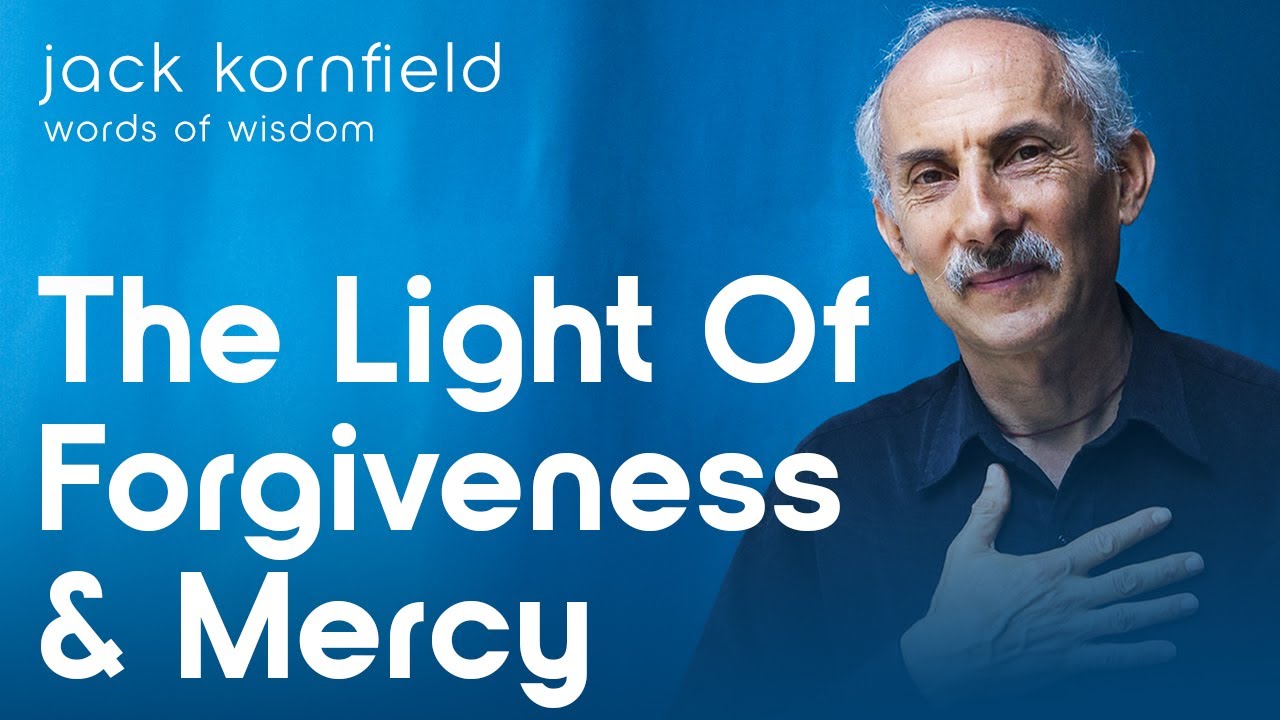
Jack Kornfield's poignant assertion, "In the end, the practice is simple: love what is," invites us to engage with the essence of our existence in a profound and transformative way. At its core, this statement challenges us to cultivate an unconditional love for our present reality, regardless of its imperfections or challenges. In a world often characterized by striving and discontent, this teaching serves as a gentle reminder that true peace and fulfillment arise not from external circumstances but from our internal acceptance of life as it unfolds.
To love what is requires a deep surrender to the present moment, a practice that can feel daunting amidst the chaos of daily life. It beckons us to embrace our experiences—joyful or painful—with an open heart. This acceptance is not passive resignation; rather, it is an active engagement with reality that fosters resilience and compassion. By loving what is, we align ourselves with the flow of existence, allowing us to navigate life's complexities with grace and understanding.
The image / the metaphor
The imagery in Kornfield's quote evokes a sense of warmth and tenderness, suggesting that love is not merely an emotion but a practice that can be cultivated. The verb "love" implies action, a conscious choice to embrace our circumstances, while "what is" encompasses the entirety of our experiences—both the light and the shadow. This duality invites us to recognize that every moment, regardless of its nature, holds the potential for growth and insight.
Diving deeper into the metaphor, we can see that loving what is requires us to confront our resistance to reality. Often, we find ourselves caught in a cycle of wanting things to be different, which leads to suffering. By shifting our perspective to one of love and acceptance, we can transform our relationship with our experiences. This practice encourages us to see the beauty in the mundane and the lessons in our struggles, ultimately fostering a sense of gratitude for the richness of life.
In the speaker's tradition
Jack Kornfield, a prominent figure in contemporary Buddhism, draws upon the rich tapestry of Buddhist teachings to illuminate the path of love and acceptance. Central to this tradition is the concept of dharma, which refers to the natural order of the universe and our place within it. By loving what is, we align ourselves with the dharma, recognizing that every experience is an opportunity for awakening and understanding. This practice resonates with the idea of sunyata, or emptiness, which teaches us that our attachments and aversions often cloud our perception of reality.
In his book "The Wise Heart," Kornfield echoes the sentiments found in ancient texts such as the Dhammapada, where the Buddha emphasizes the importance of cultivating a mind free from clinging and aversion. The teachings encourage us to embrace the present moment with an open heart, allowing us to experience life fully. By loving what is, we engage in a profound act of kenosis, or self-emptying, which invites us to release our preconceived notions and judgments, thus opening ourselves to the fullness of existence.
Living the teaching
Consider a modern scenario where this teaching can be applied: a person facing a challenging work environment filled with stress and conflict. Instead of resisting the situation or wishing for a different reality, they choose to embrace their current circumstances with love and acceptance. By acknowledging their feelings and the dynamics at play, they can cultivate compassion for themselves and their colleagues, ultimately transforming the workplace atmosphere. This shift in perspective not only alleviates personal suffering but also fosters a sense of community and understanding among coworkers.
In a different context, imagine a relationship that has become strained due to misunderstandings and unmet expectations. By practicing the principle of loving what is, one partner can choose to accept their partner's flaws and the current state of the relationship without judgment. This acceptance opens the door to deeper communication and vulnerability, allowing both individuals to reconnect on a more authentic level. In this way, the practice of loving what is becomes a powerful tool for healing and growth, both within ourselves and in our connections with others.
A reflection
As we contemplate Kornfield's teaching, we are invited to explore the depths of our own hearts. What does it mean to truly love what is in our lives? In moments of difficulty or discomfort, how can we shift our perspective to embrace our reality with compassion and acceptance? Reflecting on these questions can guide us toward a more profound understanding of ourselves and our place in the world, ultimately leading us to a more peaceful and fulfilling existence.