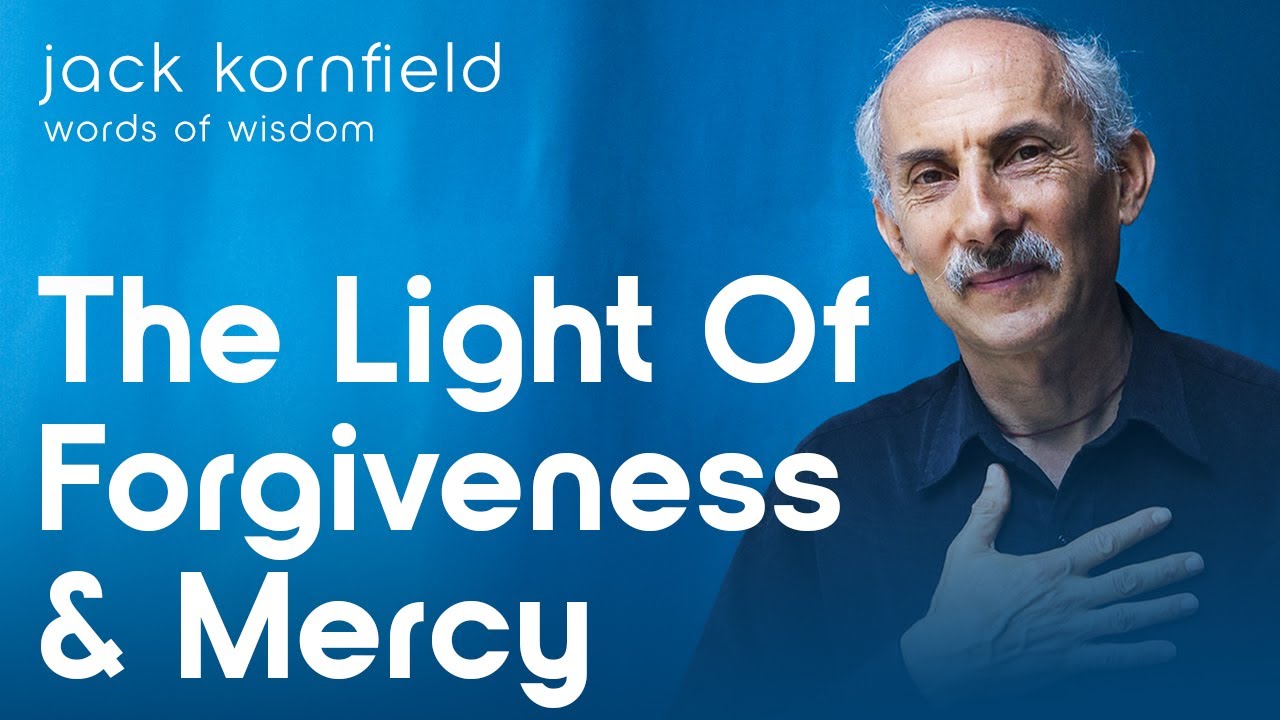
The Profound Art of Listening: A Spiritual Journey
Jack Kornfield's assertion that "listening — really listening — is one of the most profound spiritual practices" invites us to reconsider the depth and significance of our everyday interactions. In a world often characterized by noise and distraction, the act of truly listening emerges as a transformative practice that can deepen our connections with others and ourselves. This quote serves as a reminder that the essence of spiritual growth lies not only in what we say or do but in our capacity to be present and receptive to the experiences and emotions of those around us.
Listening, in this context, transcends mere auditory engagement; it becomes an act of love and compassion. When we listen deeply, we create a sacred space where others feel seen and heard, fostering an environment conducive to healing and understanding. This practice is not just about absorbing words; it is about attuning ourselves to the subtleties of human experience, allowing us to cultivate empathy and connection. Kornfield's insight challenges us to embrace listening as a vital spiritual discipline, one that can lead to profound transformations in our relationships and our inner lives.
The image / the metaphor
The imagery in Kornfield's quote evokes a sense of depth and intentionality. The phrase "really listening" suggests a level of engagement that goes beyond surface-level interaction. It implies a commitment to being fully present, to setting aside our own thoughts and distractions in order to immerse ourselves in the experience of another. This act of listening is akin to a spiritual practice, where the listener becomes a vessel for understanding, compassion, and connection.
Diving deeper into the metaphor, we can see that listening is not merely a passive act; it is an active engagement of the heart and mind. It requires us to cultivate a state of openness and vulnerability, allowing ourselves to be touched by the stories and emotions of others. In this sense, listening becomes a mirror reflecting our own humanity, as we recognize the shared struggles and joys that connect us all. It is through this profound engagement that we can begin to dissolve the barriers of isolation and disconnection that often plague our modern lives.
In the speaker's tradition
Jack Kornfield, a prominent figure in the Buddhist tradition, draws upon the rich teachings of mindfulness and compassion that are central to this path. The concept of "dharma," or the natural law that governs the universe, emphasizes the importance of understanding and compassion in our interactions with others. Listening deeply aligns with the practice of "kenosis," or self-emptying, where we let go of our own agendas and preconceptions to fully embrace the experience of another. This practice of deep listening can lead us to "sunyata," or emptiness, where we recognize the interconnectedness of all beings and the illusion of separation.
In the context of Buddhist texts, we can look to the "Dhammapada," where the Buddha emphasizes the importance of wise speech and mindful engagement with others. The verses encourage us to speak with intention and to listen with an open heart, recognizing that our words and actions have the power to uplift or harm. This foundational teaching reinforces Kornfield's assertion, reminding us that the practice of listening is not only a personal journey but a communal one, where our interactions can contribute to the collective awakening of compassion and understanding.
Living the teaching
Consider a modern scenario where this teaching can be applied: a heated discussion among friends about a contentious topic. In such moments, the temptation to assert one's own viewpoint often overshadows the opportunity to truly listen. By consciously choosing to listen deeply, we can create a space where each person feels valued and understood, transforming potential conflict into an enriching dialogue. This practice not only fosters deeper connections but also cultivates a sense of community, where diverse perspectives can coexist harmoniously.
Another application of this teaching can be found in intimate relationships, particularly during moments of tension or misunderstanding. When we approach a partner with the intention to listen rather than to respond, we open the door to healing and reconciliation. By setting aside our defenses and allowing ourselves to be vulnerable, we create a safe environment for authentic communication. This deep listening can lead to greater intimacy and trust, reinforcing the bonds that hold our relationships together.
A reflection
As we contemplate Kornfield's profound insight into the practice of listening, we are invited to reflect on our own habits of engagement. How often do we truly listen to those around us, setting aside our own thoughts and distractions? In what ways can we cultivate a deeper practice of listening in our daily lives, allowing it to transform our relationships and our understanding of ourselves? This contemplative question encourages us to explore the depths of our interactions and to embrace the spiritual journey that unfolds through the art of listening.