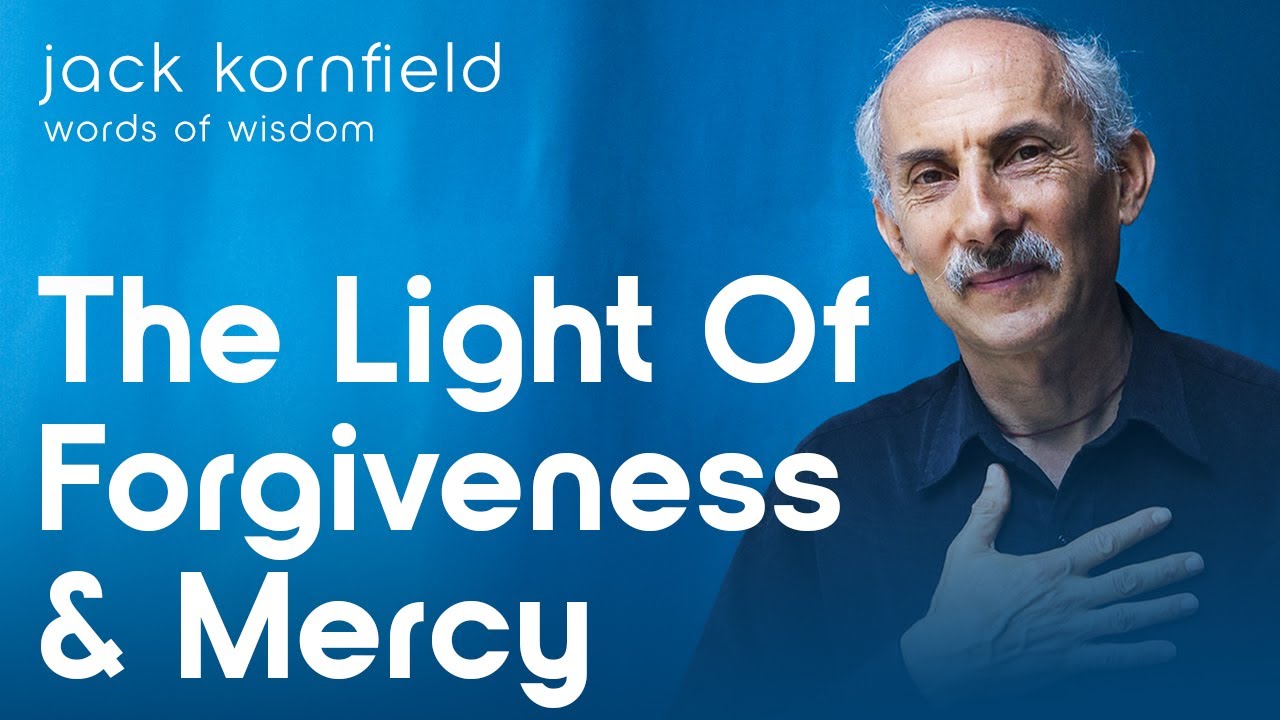
The Transformative Power of Loving-Kindness
Jack Kornfield's assertion that "loving-kindness is not a sentiment. It is a power" invites us to reconsider our understanding of love and compassion. In a world often characterized by division and conflict, this statement emphasizes that loving-kindness transcends mere emotional expression; it is a dynamic force capable of fostering profound change. Recognizing this power can transform our interactions and relationships, urging us to cultivate a practice that extends beyond fleeting feelings into a sustained commitment to compassion.
Delving deeper, Kornfield's words challenge us to explore the essence of loving-kindness, or metta, as a foundational practice within the Buddhist tradition. This is not simply about feeling affection for others; it is about actively engaging with the world through a lens of compassion and understanding. By framing loving-kindness as a power, Kornfield encourages us to harness this energy, suggesting that it can be a catalyst for healing both ourselves and our communities. This perspective invites us to reflect on how we can embody this power in our daily lives.
The image / the metaphor
At first glance, the quote presents loving-kindness as a force, a dynamic energy that can shape our reality. The choice of the word "power" evokes a sense of agency and strength, suggesting that loving-kindness is not passive but rather an active engagement with the world. This imagery invites us to envision loving-kindness as a radiant light, illuminating the darkness of suffering and ignorance. It is a call to action, urging us to cultivate this power within ourselves and to share it with others.
Moreover, the metaphor of power implies that loving-kindness can influence our surroundings and relationships. Just as a gentle breeze can shift the course of a river, so too can our loving-kindness alter the trajectory of our interactions. This deeper understanding encourages us to see loving-kindness not as an isolated sentiment but as a transformative force that can ripple outward, affecting not only our own hearts but also the hearts of those around us. It invites us to engage with the world in a way that is both intentional and impactful.
In the speaker's tradition
Jack Kornfield's teachings are deeply rooted in the Buddhist tradition, where the concept of metta, or loving-kindness, is central to the path of awakening. In Buddhism, metta is not merely an emotion but a profound practice that cultivates compassion and connection. This aligns with the broader Buddhist principles of dharma, which emphasizes the interconnectedness of all beings, and the practice of kenosis, or self-emptying, which allows space for love and compassion to flourish. By framing loving-kindness as a power, Kornfield highlights its role in the journey toward enlightenment and the realization of sunyata, or emptiness, where the self dissolves into a greater sense of unity.
In the Pali Canon, the Metta Sutta articulates the importance of cultivating loving-kindness towards all beings, emphasizing that this practice is essential for both personal and communal well-being. The text encourages practitioners to develop an expansive heart, one that embraces not only friends and family but also those who may be difficult to love. This expansive view of loving-kindness as a powerful force for good resonates with Kornfield's assertion, reminding us that our capacity for love can indeed transform our lives and the lives of others.
Living the teaching
Consider a modern scenario where the power of loving-kindness can be applied: imagine a workplace fraught with tension and competition. In such an environment, the practice of metta can serve as a transformative tool. By consciously choosing to approach colleagues with kindness and understanding, one can shift the dynamics of the workplace. This might involve offering support to a struggling teammate or simply greeting others with warmth and openness. Such actions, rooted in loving-kindness, can create a ripple effect, fostering a culture of collaboration and mutual respect.
Another application of this teaching can be found within personal relationships, particularly during moments of conflict. When faced with a disagreement, the practice of loving-kindness invites us to step back and approach the situation with compassion rather than defensiveness. By recognizing the humanity in the other person and seeking to understand their perspective, we can transform a potentially divisive moment into an opportunity for connection and healing. This practice not only strengthens our relationships but also reinforces the power of loving-kindness as a guiding principle in our lives.
A reflection
As we contemplate Kornfield's assertion that loving-kindness is a power, we are invited to reflect on our own capacity for compassion. How can we cultivate this power in our daily lives? In what ways can we transform our interactions with others through the practice of loving-kindness? These questions encourage us to explore the depth of our own hearts and the potential for love to create meaningful change in our world.