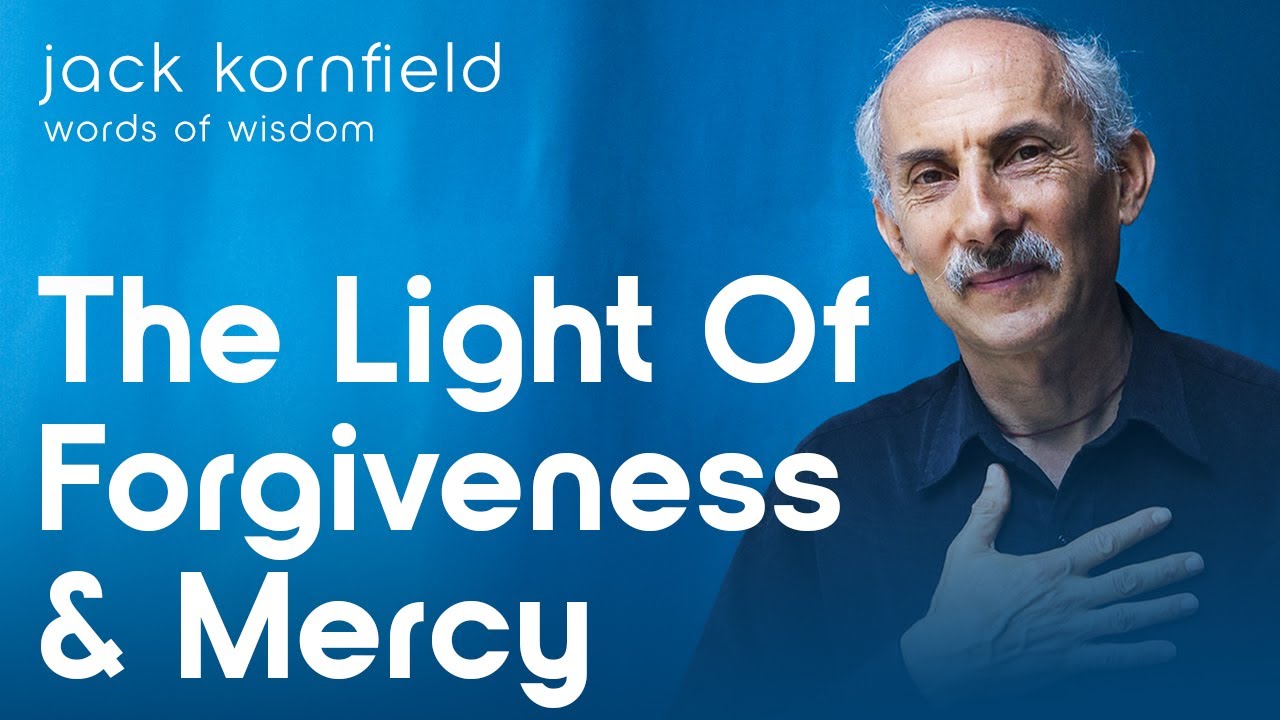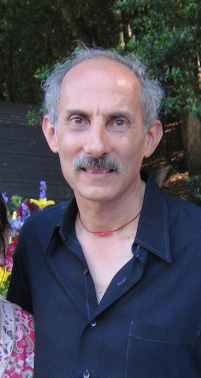
Jack Kornfield's assertion that "service is love in action" invites us to explore the profound connection between our inner feelings of love and the outward expressions of those feelings through service. This quote emphasizes that love is not merely a passive emotion but an active force that compels us to engage with the world and uplift others. In a society often preoccupied with self-interest, this perspective challenges us to reconsider how we define love and its role in our lives, urging us to translate our feelings into tangible acts of kindness and compassion.
Delving deeper, we find that this notion of service as an embodiment of love transcends mere duty or obligation. It suggests a heartfelt commitment to the well-being of others, rooted in empathy and understanding. When we serve, we are not only addressing the needs of those around us but also nurturing our own spiritual growth. This reciprocal relationship between giving and receiving enriches our lives, fostering a sense of interconnectedness that is essential for both personal and collective healing.
The image / the metaphor
The imagery in Kornfield's quote evokes a dynamic interplay between love and action, suggesting that love is not a static state but a vibrant force that manifests through our deeds. The choice of the word "service" implies a selfless orientation, where our actions are directed toward the welfare of others rather than our own gain. This perspective transforms the act of serving into a sacred practice, where each gesture, no matter how small, becomes a vessel for love's expression.
Moreover, the metaphor of love in action invites us to consider the various forms that service can take. It can be as simple as offering a listening ear to a friend in need or as profound as dedicating one's life to humanitarian efforts. Each act of service, infused with genuine love, has the potential to create ripples of positive change, reminding us that our actions can significantly impact the lives of others and the world at large.
In the speaker's tradition
Within the context of Buddhism, Kornfield's teaching resonates deeply with the concept of "karuna," or compassion, which is central to the Buddhist path. Karuna encourages us to recognize the suffering of others and respond with loving-kindness, aligning perfectly with the idea that service is an expression of love. This compassionate action is not only beneficial for those we serve but also cultivates our own spiritual awakening, as we learn to transcend the boundaries of self and connect with the greater whole.
Additionally, the notion of "dharma," or the ethical path, underscores the importance of aligning our actions with our values. In the Buddhist text "The Dhammapada," it is stated that "Hatred does not cease by hatred, but only by love; this is the eternal rule." This reinforces Kornfield's assertion that true service, rooted in love, is a powerful antidote to the suffering and division that often permeate our lives. By embodying love through our actions, we contribute to the unfolding of a more compassionate world.
Living the teaching
Consider a modern scenario where this teaching can be applied: a community facing the challenges of homelessness. In such a context, individuals may feel overwhelmed by the scale of the issue, unsure of how to make a difference. However, by engaging in acts of service—whether through volunteering at a local shelter, organizing food drives, or simply offering a smile and a kind word to those in need—people can embody Kornfield's message. Each act of service becomes a manifestation of love, creating a sense of community and connection that can inspire others to join in.
Another application of this teaching can be found in our personal relationships. Imagine a moment of conflict with a loved one, where misunderstandings and hurt feelings have created distance. By choosing to approach the situation with love in action—perhaps through a heartfelt apology, an offer to listen, or a simple gesture of kindness—we can begin to bridge the gap. In these moments, service becomes a transformative practice, allowing us to heal wounds and foster deeper connections, ultimately enriching our relationships and our lives.
A reflection
As we contemplate Kornfield's profound insight, we are invited to reflect on the ways in which we express love through our actions. What small acts of service can we incorporate into our daily lives that would not only benefit others but also nourish our own spirits? In considering this question, we open ourselves to the possibility of living more fully in alignment with our values, allowing love to guide our actions and illuminate our paths.