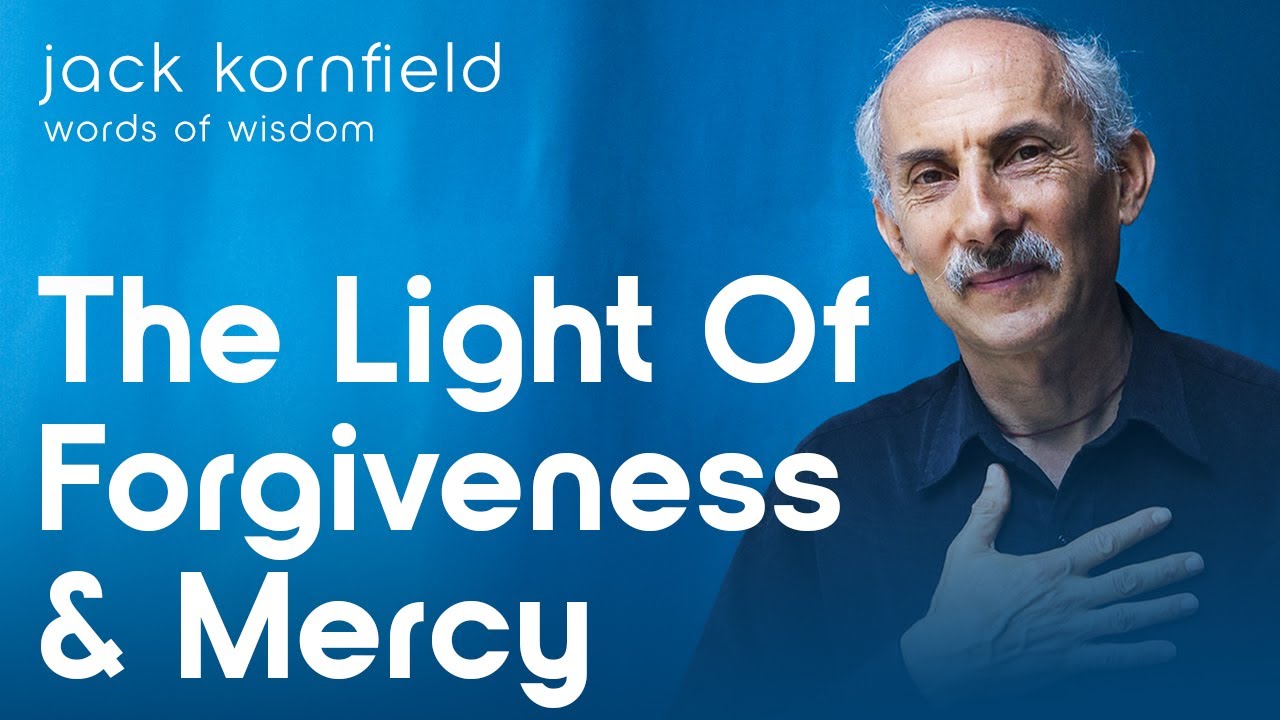
The Shape of Attention: Crafting Our Lives with Mindfulness
Jack Kornfield's assertion that "the shape of a life is the shape of attention" invites us to consider the profound impact of where we direct our focus. In essence, our lives take on the contours of our attentiveness, shaping our experiences, relationships, and ultimately, our sense of self. This insight is not merely philosophical; it carries significant implications for how we navigate our daily existence and cultivate our inner worlds. Understanding this relationship between attention and life can lead to a more intentional and fulfilling way of being.
As we delve deeper into this quote, we recognize that attention is not a passive act but a deliberate choice that reflects our values and priorities. The shape of our attention can either constrict or expand our experiences, influencing how we perceive the world and interact with others. In a society often characterized by distraction and fragmentation, Kornfield's words serve as a gentle reminder of the power we hold in shaping our lives through mindful focus. By examining the nature of our attention, we can begin to understand how it molds our reality and guides our spiritual journey.
The image / the metaphor
The imagery in Kornfield's quote evokes a sense of artistry, suggesting that our lives are like sculptures, molded by the attention we choose to give them. The word "shape" implies a dynamic process, one that is continuously formed and reformed based on our focus. Attention, then, becomes a sculptor's tool, capable of chiseling away distractions and revealing the essence of our true selves. This metaphor highlights the active role we play in crafting our existence, reminding us that we are not merely passive observers but engaged participants in the creation of our life's narrative.
Diving deeper into this metaphor, we can see that the shape of our attention also reflects our values and aspirations. Just as a sculptor must decide which aspects of the stone to emphasize, we must discern what deserves our focus. This discernment is crucial; it requires us to be mindful of our choices and to cultivate an awareness of what truly matters. In this way, attention becomes a form of devotion, a practice of aligning our lives with our deepest intentions and desires. The shape of our attention, therefore, is not just about what we see but also about what we choose to nurture and cultivate in our lives.
In the speaker's tradition
Jack Kornfield's teachings are deeply rooted in the Buddhist tradition, where the concept of attention is intricately linked to mindfulness and the cultivation of awareness. In Buddhism, the practice of dharma emphasizes the importance of being present and attentive to our thoughts, feelings, and surroundings. This attentiveness is not merely for the sake of observation but serves as a pathway to understanding the nature of reality and our place within it. By shaping our attention, we can cultivate qualities such as compassion, wisdom, and equanimity, which are essential for spiritual growth.
Moreover, the Buddhist notion of sunyata, or emptiness, resonates with Kornfield's insight. When we recognize that our perceptions are shaped by our attention, we begin to see the fluidity of our experiences and the impermanence of our attachments. This understanding can lead to a profound sense of liberation, as we learn to let go of rigid identities and embrace the ever-changing nature of life. Texts such as the Heart Sutra articulate this concept beautifully, reminding us that form is emptiness and emptiness is form, inviting us to explore the interplay between attention, perception, and reality.
Living the teaching
Consider a modern scenario where this teaching might resonate: a busy professional juggling multiple responsibilities. In the midst of deadlines and demands, it is easy to become overwhelmed and lose sight of what truly matters. By consciously directing attention to the present moment—perhaps through mindful breathing or taking a brief pause to reflect—this individual can reshape their experience. Instead of being swept away by the chaos, they can cultivate a sense of clarity and purpose, allowing their attention to guide them toward what is most meaningful in their work and life.
In the context of relationships, the shape of our attention can profoundly influence our connections with others. Imagine a conversation where one partner is distracted by their phone, while the other seeks genuine engagement. The shape of attention here can create a rift, leading to feelings of neglect or disconnection. By choosing to be fully present, to listen deeply and engage wholeheartedly, we can transform our interactions and foster a deeper sense of intimacy and understanding. This practice of attentive presence can be a powerful antidote to the disconnection often felt in our fast-paced lives.
A reflection
As we contemplate Kornfield's profound statement, we are invited to reflect on the nature of our own attention. What shapes are emerging in our lives based on where we choose to focus? Are we nurturing the aspects of our existence that align with our deepest values and aspirations? In this moment of reflection, consider: how can you consciously reshape your attention to create a life that resonates with your true self?