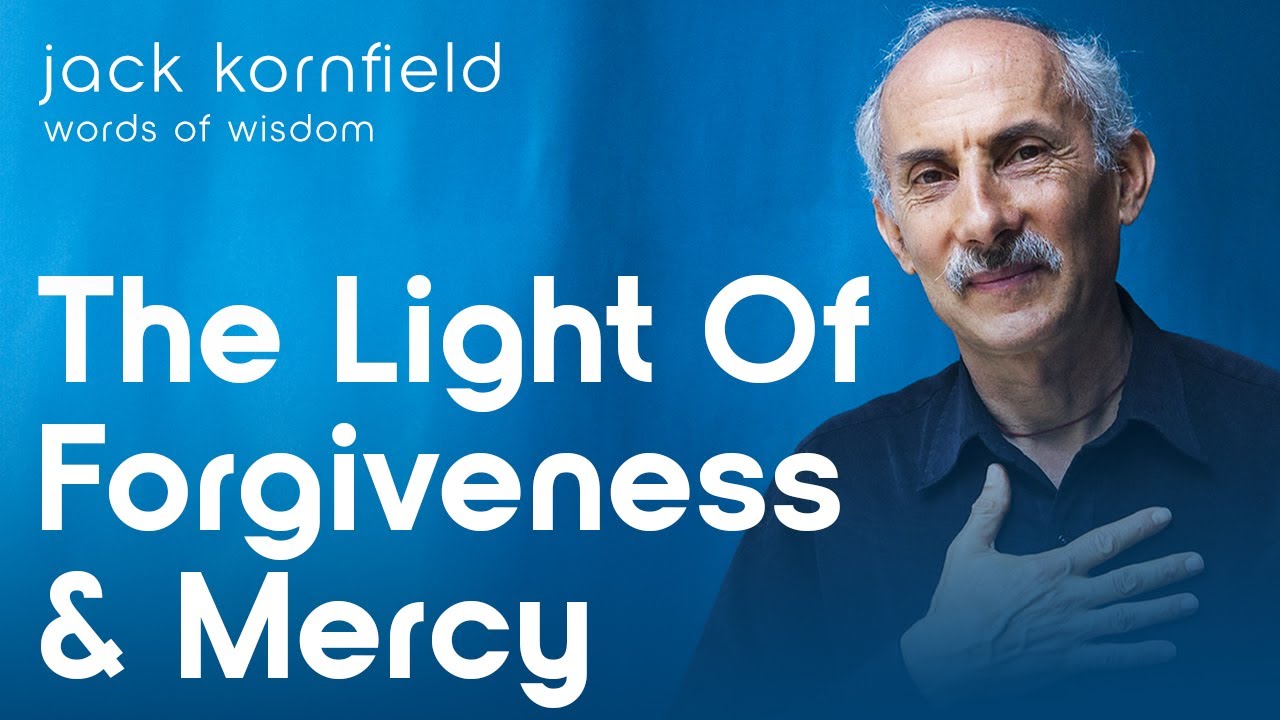
Jack Kornfield's assertion that "to be a Buddha is to be fully human" invites us into a profound exploration of what it means to embody our truest selves. In this statement, Kornfield suggests that the essence of enlightenment is not a departure from our humanity but rather a deep embrace of it. This perspective challenges the common notion that spiritual attainment requires transcending our earthly experiences, instead proposing that true wisdom and compassion arise from our very human condition.
By framing Buddha-hood as a state of being fully human, Kornfield emphasizes the importance of authenticity, vulnerability, and connection. This teaching resonates deeply in a world often marked by disconnection and superficiality. It calls us to recognize that our struggles, joys, and imperfections are not obstacles to enlightenment but integral parts of the journey toward wholeness. In this light, the path to becoming a Buddha is not about achieving a distant ideal but about fully inhabiting our lives with awareness and compassion.
The image / the metaphor
The imagery within Kornfield's quote evokes a sense of groundedness and immediacy. To be "fully human" suggests an acceptance of our entire experience—our emotions, thoughts, and physical sensations—as valid and worthy of attention. The verb "to be" implies a state of existence rather than a goal to be achieved, inviting us to recognize that enlightenment is not a distant destination but a present reality that can be accessed through our lived experiences.
Diving deeper into the metaphor, we can see that being fully human encompasses both the light and shadow aspects of our nature. It invites us to embrace our joys and sorrows, our strengths and weaknesses, as essential components of our spiritual journey. This holistic view of humanity aligns with the Buddhist concept of "sunyata," or emptiness, which teaches that our identities are not fixed but fluid, shaped by our experiences and relationships. In this way, Kornfield's words encourage us to cultivate a compassionate awareness of ourselves and others, recognizing that our shared humanity is the foundation of our spiritual growth.
In the speaker's tradition
Jack Kornfield, a prominent figure in contemporary Buddhism, draws from a rich tradition that emphasizes the interconnectedness of all beings. His teachings often reflect core Buddhist concepts such as "dharma," the path of righteousness and truth, and "prajna," or wisdom. By asserting that to be a Buddha is to be fully human, Kornfield aligns with the idea that enlightenment is accessible to everyone, regardless of their circumstances. This democratization of spiritual attainment is a hallmark of modern Buddhist thought, which seeks to make the teachings relevant and applicable to everyday life.
In his book "The Wise Heart," Kornfield references the Buddha's own journey, illustrating how Siddhartha Gautama's path to enlightenment was rooted in his experiences of suffering, joy, and connection with others. This narrative echoes the teachings found in the "Dhammapada," where the Buddha emphasizes that understanding and compassion arise from our shared human experiences. By situating his quote within this broader context, Kornfield invites us to see that our struggles and triumphs are not separate from our spiritual path but are, in fact, the very fabric of it.
Living the teaching
Consider a modern scenario where this teaching resonates: a person grappling with feelings of inadequacy in their career. They may feel pressure to present a polished, perfect version of themselves, believing that vulnerability is a weakness. However, by embracing the idea that to be a Buddha is to be fully human, they can begin to see their struggles as opportunities for growth and connection. Sharing their challenges with colleagues can foster a sense of community and understanding, transforming their workplace into a space of authenticity and support.
In relationships, this teaching can manifest in moments of conflict or misunderstanding. Instead of striving for an idealized version of love that demands perfection, partners can embrace their humanity by acknowledging their flaws and vulnerabilities. This openness allows for deeper connection and intimacy, as both individuals learn to navigate their differences with compassion and understanding. By embodying the essence of being fully human, they cultivate a relationship grounded in authenticity, where both partners can grow and evolve together.
A reflection
As we contemplate Kornfield's profound assertion, we might ask ourselves: "In what ways am I resisting my own humanity?" This question invites us to reflect on the aspects of ourselves we may be denying or hiding, whether it be our emotions, our imperfections, or our need for connection. By embracing our full humanity, we can begin to uncover the wisdom and compassion that lie within, allowing us to live more authentically and engage more deeply with the world around us.