The Dance of Nothingness and Everythingness
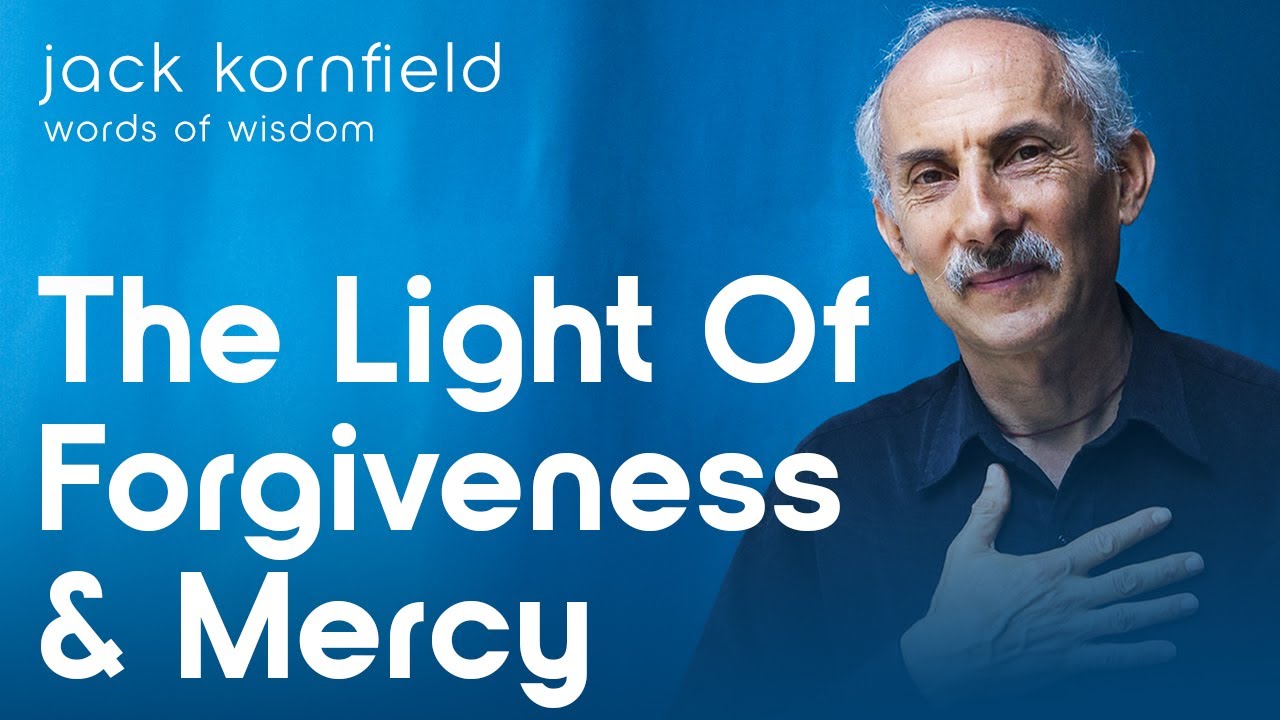
In the profound words of Jack Kornfield, "Wisdom says we are nothing. Love says we are everything. Between these two, our life flows." This quote encapsulates a delicate balance between two seemingly opposing truths: the emptiness of self and the fullness of love. Understanding this interplay is crucial for navigating the complexities of human existence, as it invites us to explore the depths of our being while simultaneously embracing the expansive nature of our connections with others.
At its core, this quote challenges us to reconcile the paradox of existence. On one hand, wisdom teaches us the transient nature of the self, echoing the Buddhist principle of anatta, or non-self. On the other hand, love affirms our interconnectedness and inherent worth, suggesting that we are not isolated entities but rather integral parts of a greater whole. This duality is essential for a balanced life, as it encourages us to cultivate both humility and compassion in our daily interactions.
The image / the metaphor
The imagery in Kornfield's quote evokes a flowing river, where wisdom and love serve as the banks that guide the current of our lives. The notion of "nothing" suggests a vast emptiness, a space where the ego dissolves, allowing us to confront the impermanence of our identities. Conversely, "everything" embodies the richness of love, a force that binds us to one another and to the universe itself. This interplay between emptiness and fullness creates a dynamic tension, a dance that shapes our experiences and informs our choices.
In the speaker's tradition
Jack Kornfield, a prominent figure in contemporary Buddhism, draws upon the rich tapestry of Buddhist teachings to illuminate the significance of this quote. Central to his philosophy is the concept of dharma, which encompasses the path of wisdom and ethical living. The interplay of wisdom and love can also be understood through the lens of sunyata, or emptiness, which reveals the illusory nature of the self, and bhakti, the devotion that fosters love and connection. In this way, Kornfield invites us to explore the depths of our being while remaining open to the transformative power of love.
In his book, "A Path with Heart," Kornfield references the teachings of the Buddha, who emphasized the importance of cultivating both insight and compassion. The Heart Sutra, a foundational text in Mahayana Buddhism, echoes this sentiment by stating that "form is emptiness, and emptiness is form." This profound realization encourages us to see beyond the surface of our identities and recognize the interconnectedness of all beings. By embracing both wisdom and love, we can navigate the complexities of life with grace and understanding.
Living the teaching
Consider a modern scenario where this teaching resonates: a workplace conflict. Imagine two colleagues who are at odds, each holding tightly to their perspectives and grievances. In this situation, wisdom invites them to recognize the impermanence of their egos and the futility of clinging to their positions. By embracing the notion of nothingness, they can let go of their need to be right, creating space for love to emerge. This love, rooted in empathy and understanding, allows them to find common ground and work collaboratively, transforming a potential conflict into an opportunity for growth.
Another application of this teaching can be found in personal relationships. Picture a moment of tension between partners, where misunderstandings and unmet expectations create distance. Here, wisdom encourages each person to reflect on their own attachments and the transient nature of their feelings. By recognizing their shared humanity and the love that initially brought them together, they can bridge the gap and reconnect. This practice of balancing wisdom and love fosters deeper intimacy and resilience, allowing the relationship to flourish even amidst challenges.
A reflection
As we contemplate the wisdom and love that shape our lives, we are invited to ask ourselves: How can I cultivate a deeper understanding of my own nothingness while simultaneously embracing the love that connects me to others? This question encourages us to explore the delicate balance between humility and compassion, inviting us to engage with the world from a place of openness and vulnerability. In this inquiry, we may discover the transformative power of living between these two truths, allowing our lives to flow with grace and purpose.