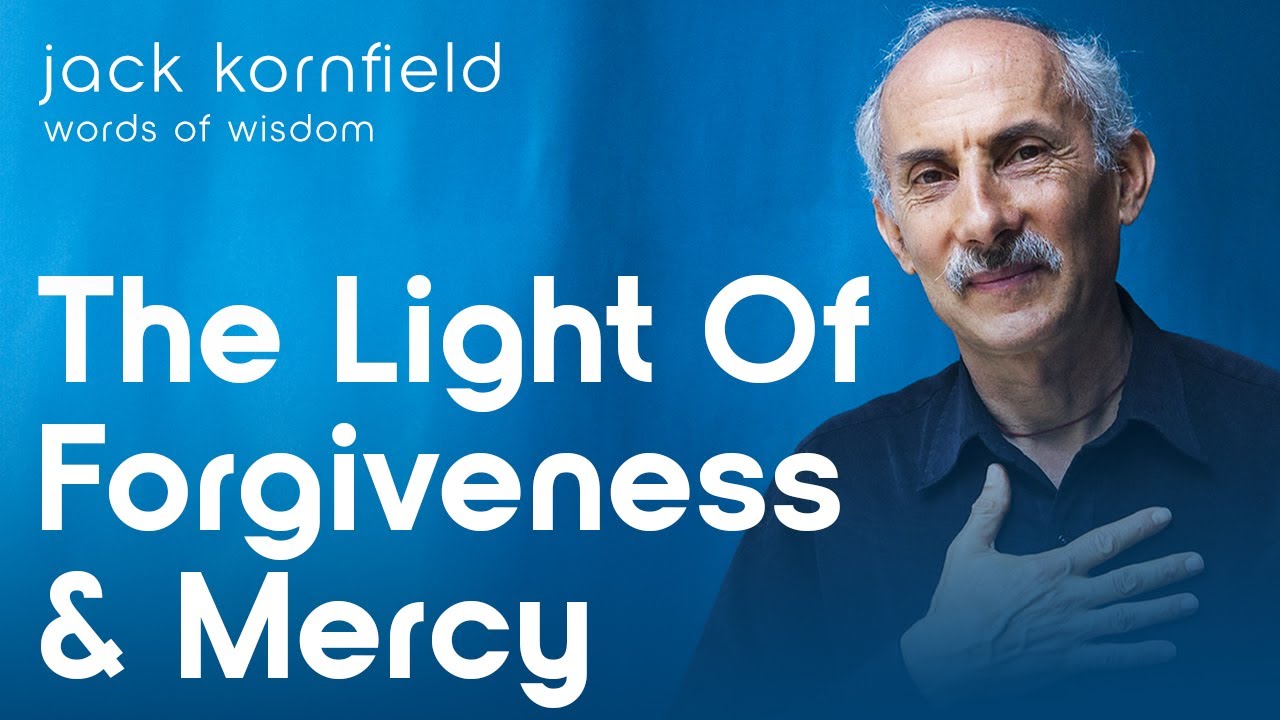
Jack Kornfield's assertion that "Your heart is a thousand times more powerful than the thoughts of your mind" invites us to reconsider the dynamics between our emotional and intellectual lives. In a world often dominated by rationality and analytical thinking, this quote serves as a profound reminder of the heart's intrinsic strength and wisdom. It suggests that our emotional intelligence, rooted in compassion and love, can guide us more effectively than the often chaotic and fleeting thoughts that occupy our minds. Understanding this relationship is crucial for personal growth and spiritual development.
Delving deeper, Kornfield's words challenge us to reflect on the nature of our inner experiences. The heart, in this context, symbolizes not merely our emotional center but also a source of profound insight and connection to the world around us. When we allow the heart to lead, we tap into a reservoir of strength that transcends the limitations of our thoughts. This perspective encourages us to cultivate a deeper awareness of our feelings and to honor the wisdom that arises from our heart, ultimately guiding us toward a more authentic and fulfilling life.
The image / the metaphor
The imagery in Kornfield's quote evokes a vivid contrast between the heart and the mind, suggesting a hierarchy of power that is often overlooked. The heart is depicted as a vast, expansive force, while the thoughts of the mind are portrayed as limited and transient. This metaphor invites us to visualize the heart as a nurturing landscape, rich with the potential for love, empathy, and understanding, while the mind is akin to a turbulent sea, filled with waves of doubt, anxiety, and distraction. The choice of the word "powerful" emphasizes the heart's ability to influence our actions and decisions profoundly.
Going deeper into this metaphor, we can see that the heart's power is not merely about emotional intensity; it is about the depth of connection and the capacity for transformation. When we engage with our heart, we access a wisdom that is often obscured by the noise of our thoughts. This wisdom allows us to navigate life's challenges with grace and resilience, fostering a sense of inner peace that the mind alone cannot provide. In this way, Kornfield's quote serves as an invitation to prioritize our emotional experiences and to trust in the heart's ability to guide us toward a more meaningful existence.
In the speaker's tradition
Jack Kornfield's teachings are deeply rooted in the Buddhist tradition, where the heart is often associated with concepts such as compassion (karuna) and loving-kindness (metta). In Buddhism, the heart is seen as the seat of wisdom and ethical conduct, guiding us toward a life of harmony and interconnectedness. The notion that the heart surpasses the mind in power resonates with the Buddhist understanding of sunyata, or emptiness, which teaches us that our thoughts are impermanent and often misleading. By cultivating a heart-centered awareness, we can transcend the limitations of our ego-driven thoughts and connect with a deeper sense of purpose.
A relevant text that echoes Kornfield's sentiment is the "Heart Sutra," which emphasizes the importance of compassion and the interconnectedness of all beings. This sutra teaches that by embracing the wisdom of the heart, we can dissolve the barriers created by our thoughts and perceptions. In this light, Kornfield's quote serves as a contemporary reminder of the timeless wisdom found in Buddhist teachings, urging us to cultivate a heart-centered approach to life that honors our emotional experiences as pathways to deeper understanding.
Living the teaching
Consider a modern scenario where this teaching can be applied: a workplace filled with stress and competition. In such an environment, it is easy to become consumed by the relentless thoughts of productivity, performance, and comparison. However, when we consciously shift our focus to the heart, we can foster a sense of compassion and collaboration among colleagues. By prioritizing empathy and understanding, we create a more supportive atmosphere that not only enhances our well-being but also improves overall productivity. This heart-centered approach allows us to navigate challenges with grace and resilience, transforming the workplace into a space of connection rather than competition.
Another application of this teaching can be found in personal relationships, especially during moments of conflict. When disagreements arise, it is common for the mind to race with judgments and criticisms, leading to further discord. However, if we pause and connect with our heart, we can approach the situation with compassion and understanding. By listening deeply and responding from a place of love, we can bridge the gap created by our thoughts and foster healing and connection. This practice not only strengthens our relationships but also cultivates a deeper sense of peace within ourselves.
A reflection
As we contemplate Kornfield's assertion about the heart's power, we are invited to explore the ways in which we can cultivate this heart-centered awareness in our own lives. What thoughts or beliefs might be holding us back from fully embracing the wisdom of our hearts? In moments of doubt or uncertainty, how can we shift our focus from the chatter of the mind to the quiet strength of the heart? Engaging with these questions can lead us to a deeper understanding of ourselves and our place in the world, ultimately guiding us toward a more authentic and fulfilling existence.