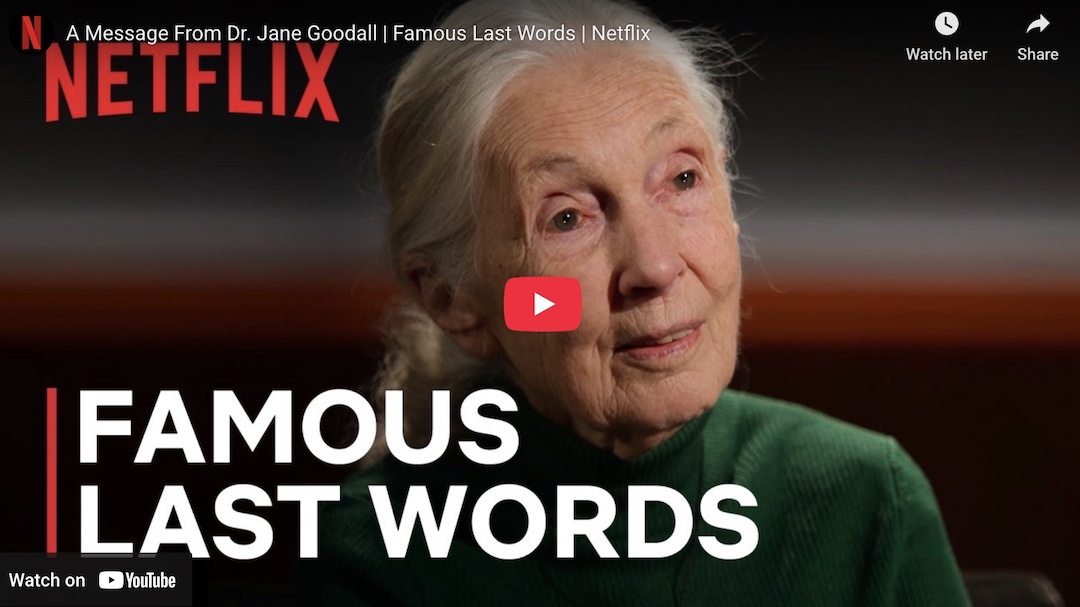
Jane Goodall's assertion that "As individuals we have responsibility. We do affect the future" serves as a poignant reminder of our interconnectedness and the weight of our choices. In a world increasingly defined by environmental crises and social upheaval, this statement invites us to reflect on the profound impact our actions can have on the trajectory of life itself. It is a call to awaken to our agency, urging us to recognize that each decision we make contributes to the unfolding narrative of our shared existence.
Goodall's words resonate deeply in a time when the consequences of our collective behavior are more visible than ever. The urgency of climate change, the loss of biodiversity, and the struggles for social justice all underscore the reality that our individual actions are not isolated but rather threads woven into the larger fabric of humanity and the planet. This quote challenges us to embrace our responsibility, not merely as passive observers but as active participants in shaping a future that reflects our values and aspirations.
The image / the metaphor
The imagery in Goodall's quote evokes a sense of personal agency and accountability. The use of the word "responsibility" suggests a weight, a burden that each individual carries, while "affect" implies a dynamic interaction with the world around us. This interplay between the self and the future conjures a vision of a delicate balance, where our choices ripple outward, influencing not only our lives but also the lives of countless others. The felt sense of this quote is one of urgency and empowerment, urging us to act with intention and awareness.
Diving deeper into the metaphor, we can envision our lives as a series of interconnected threads in a vast tapestry. Each action we take, whether small or significant, adds color and texture to this intricate design. The future is not a distant reality but a canvas that we are continuously painting with our choices. In this light, Goodall's message becomes a clarion call to recognize the power we hold in shaping the world, reminding us that our individual contributions matter immensely in the grand scheme of existence.
In the speaker's tradition
Jane Goodall's work is deeply rooted in the contemplative-ecology tradition, which emphasizes the interconnectedness of all living beings and the moral responsibility we hold toward the Earth. This perspective aligns with concepts such as dharma, which speaks to the ethical duty we have to act in harmony with the natural world. Goodall embodies this principle through her lifelong commitment to conservation and animal welfare, illustrating how individual responsibility can manifest in profound ways that benefit both humanity and the environment.
Moreover, Goodall's insights echo the teachings found in various spiritual texts that advocate for mindfulness and stewardship. For instance, in the Buddhist tradition, the concept of sunyata, or emptiness, invites us to recognize the interdependent nature of existence. Just as a single drop of water contributes to the ocean, our individual actions are part of a larger whole. This interconnectedness is a reminder that our choices resonate beyond ourselves, shaping the future in ways we may not immediately perceive.
Living the teaching
Consider a modern scenario where Goodall's teaching can be applied: the growing movement toward sustainable living. Individuals are increasingly making conscious choices about their consumption, from reducing plastic use to supporting local, organic farmers. Each decision, whether it be opting for a reusable bag or participating in community clean-up efforts, reflects an understanding of the responsibility we hold toward the planet. This collective shift in behavior demonstrates how individual actions can lead to significant changes in societal norms and environmental practices.
In a more personal context, think about relationships and the impact of our words and actions on those we love. A moment of kindness, a listening ear, or a thoughtful gesture can profoundly affect another person's day, potentially altering their outlook on life. By recognizing our responsibility in these interactions, we cultivate a deeper sense of empathy and connection, fostering a future where compassion and understanding flourish. This practice of mindfulness in our daily lives reinforces Goodall's message, reminding us that our individual choices can create ripples of positive change.
A reflection
As we contemplate Goodall's assertion, we are invited to reflect on our own lives and the choices we make daily. What does it mean for you to embrace your responsibility as an individual in shaping the future? In what ways can you become more aware of the impact of your actions, both on a personal and collective level? This inquiry encourages us to engage with our lives thoughtfully, recognizing that we are not merely passive participants but active co-creators of the world we inhabit.