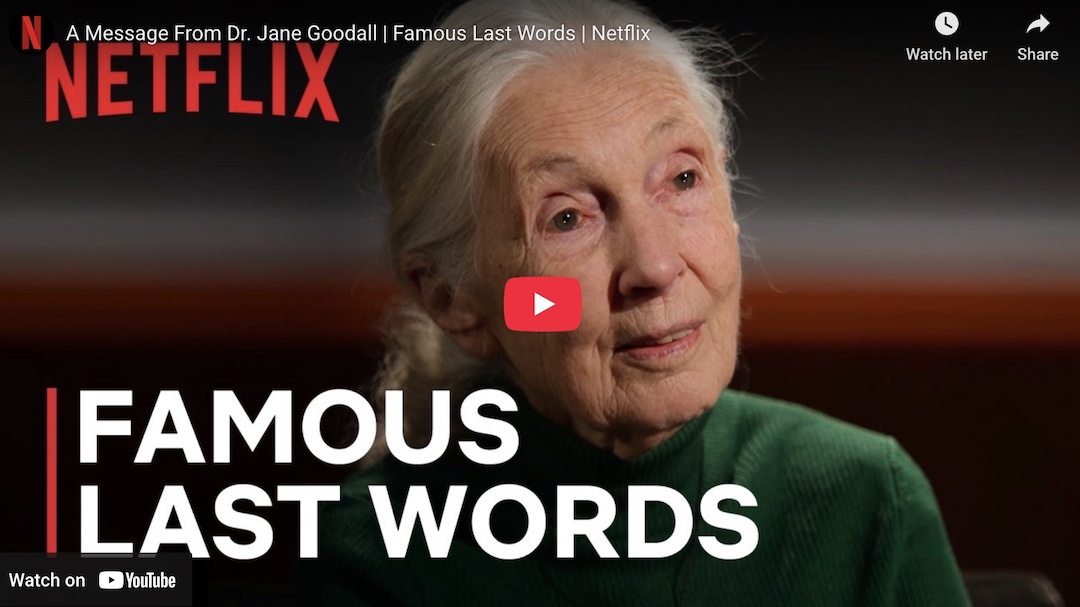
Jane Goodall's assertion that "Every individual matters. Every individual has a role to play. Every individual makes a difference" invites us to reflect on the profound interconnectedness of life. In a world often marked by division and disconnection, this statement serves as a reminder of the intrinsic value of each person and their unique contributions. It challenges us to recognize that our actions, no matter how small, ripple through the fabric of existence, shaping not only our lives but also the lives of others.
Goodall's words resonate deeply in an age where individualism can overshadow our collective responsibility. The emphasis on the individual is not merely a call to self-importance; rather, it is an invitation to acknowledge our shared humanity and the roles we play within the larger ecological and social systems. By understanding that each person has a unique purpose, we can cultivate a sense of belonging and responsibility that transcends our immediate surroundings, fostering a more compassionate and engaged world.
The image / the metaphor
The imagery in Goodall's quote evokes a tapestry woven from countless threads, each representing an individual life. The verbs "matters," "has a role," and "makes a difference" suggest active participation in the world, emphasizing that existence is not passive but rather a dynamic interplay of actions and intentions. This metaphor of weaving illustrates how each person's contributions, no matter how seemingly insignificant, are essential to the integrity of the whole.
Diving deeper into this metaphor, we can envision a forest where every tree, plant, and creature plays a vital role in maintaining the ecosystem's balance. Just as a single tree can provide shelter for countless species, an individual can impact their community in ways that may not be immediately visible. This interconnectedness highlights the importance of recognizing our place within the larger narrative of life, where every action, thought, and intention contributes to the unfolding story of existence.
In the speaker's tradition
Jane Goodall's work is deeply rooted in the contemplative-ecology tradition, which emphasizes the interconnectedness of all living beings and the moral responsibility we hold towards the environment. Concepts such as dharma, which refers to one's duty or role in the universe, resonate with Goodall's assertion that every individual has a unique purpose. This perspective encourages us to engage with the world mindfully, recognizing that our actions have consequences that extend beyond ourselves.
In her writings and speeches, Goodall often draws parallels between human behavior and the natural world, echoing the teachings found in texts like the Bhagavad Gita, which speaks to the importance of fulfilling one's duty with awareness and compassion. Just as the Gita emphasizes the interconnectedness of all beings, Goodall's message serves as a reminder that our individual roles contribute to the greater ecological and social harmony, urging us to act with intention and care.
Living the teaching
Consider a modern scenario where this teaching finds resonance: a community garden initiative. In this setting, individuals from diverse backgrounds come together to cultivate a shared space, each contributing their unique skills and perspectives. The garden becomes a microcosm of Goodall's message, illustrating how every person's involvement matters. Whether one is planting seeds, tending to the soil, or sharing knowledge, each action contributes to the flourishing of the garden and the community it serves.
This teaching can also manifest in personal relationships, particularly during challenging moments. Imagine a disagreement between friends where each person feels unheard. By recognizing that each individual's feelings and perspectives matter, the conversation can shift from conflict to understanding. This awareness fosters empathy and connection, allowing both parties to navigate their differences with compassion. In daily practice, we can cultivate this mindset by actively listening and validating the experiences of those around us, reinforcing the idea that every individual indeed makes a difference.
A reflection
As we contemplate Goodall's profound statement, we might ask ourselves: "In what ways do I recognize the value of my own contributions, and how can I honor the roles of others in my life?" This question invites us to reflect on our interconnectedness and the impact we have on one another. By embracing this inquiry, we can deepen our understanding of our place in the world and commit to living with intention, recognizing that every action, no matter how small, holds the potential to create meaningful change.