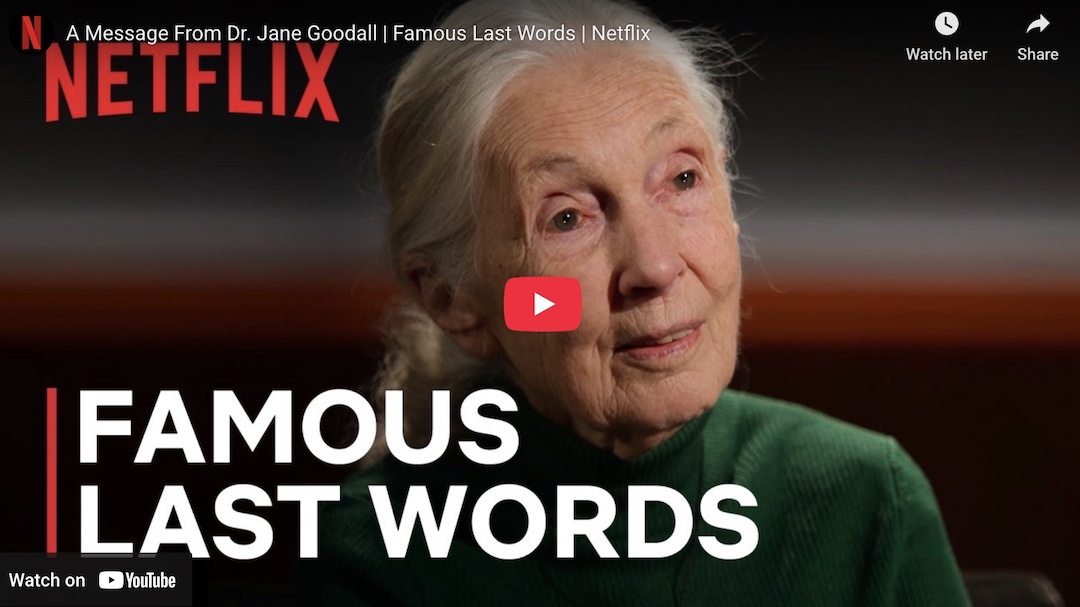
Jane Goodall's assertion that "Hope is not blind optimism. Hope is courageous engagement" invites us to reconsider the nature of hope itself. In a world often overshadowed by despair and inaction, this perspective challenges us to embrace a more active form of hope—one that requires our participation and courage. It underscores the importance of not merely wishing for a better future but actively working towards it, thus elevating hope from a passive sentiment to a dynamic force for change.
This distinction is crucial, especially in contemporary discourse surrounding environmental crises and social injustices. Blind optimism can lead to complacency, a false sense of security that everything will resolve itself without our intervention. In contrast, courageous engagement calls us to confront the realities of our world, to acknowledge the challenges we face, and to respond with intention and action. This deeper understanding of hope is not just a personal journey; it is a collective call to arms, urging us to engage with the world around us in meaningful ways.
The image / the metaphor
The imagery embedded in Goodall's quote evokes a sense of movement and action. "Courageous engagement" suggests a dynamic interplay between hope and action, where hope is not a static state but a catalyst for involvement. The verbs chosen—"is" and "engagement"—imply a relationship that is alive, requiring our participation. This engagement is not merely about feeling hopeful; it is about embodying that hope through our actions, choices, and interactions with the world.
In the speaker's tradition
Jane Goodall's work is deeply rooted in the tradition of contemplative ecology, which emphasizes the interconnectedness of all life and the importance of mindful engagement with our environment. This perspective resonates with concepts such as dharma, which speaks to our duty to act in harmony with the world, and prajna, the wisdom that arises from understanding our place within the larger tapestry of existence. Goodall's call to courageous engagement reflects a profound awareness of our responsibilities as stewards of the Earth.
In her book, "The Book of Hope," Goodall draws upon her experiences with chimpanzees and the natural world to illustrate the necessity of active hope. She emphasizes that hope is not merely a feeling but a practice—one that requires us to engage with the challenges we face, whether they be environmental degradation or social injustice. This aligns with the teachings found in various contemplative texts, which often highlight the importance of action as a means of embodying our values and beliefs.
Living the teaching
Consider a modern scenario where this teaching resonates: a community grappling with the effects of climate change. Individuals may feel overwhelmed by the enormity of the crisis, leading to a sense of helplessness. However, by embracing Goodall's notion of courageous engagement, community members can come together to initiate local sustainability projects, advocate for policy changes, and educate others about environmental stewardship. This collective action transforms despair into hope, as individuals recognize their power to effect change.
On a more personal level, this teaching can manifest in our relationships. Imagine a situation where a friend is struggling with a difficult life transition. Instead of offering empty platitudes or avoiding the conversation, courageous engagement might look like actively listening, providing support, and helping them navigate their challenges. This approach not only deepens our connection but also embodies the essence of hope—showing that we are willing to stand alongside others in their struggles, fostering resilience and growth.
A reflection
As we contemplate Goodall's profound insight, we are invited to reflect on our own relationship with hope. Are we engaging courageously with the challenges we face, or are we allowing ourselves to be lulled into complacency by blind optimism? In what areas of our lives can we take more active steps to embody hope through our actions? These questions encourage us to explore the depths of our engagement with the world, prompting us to consider how we can transform our hopes into tangible actions that contribute to a better future.