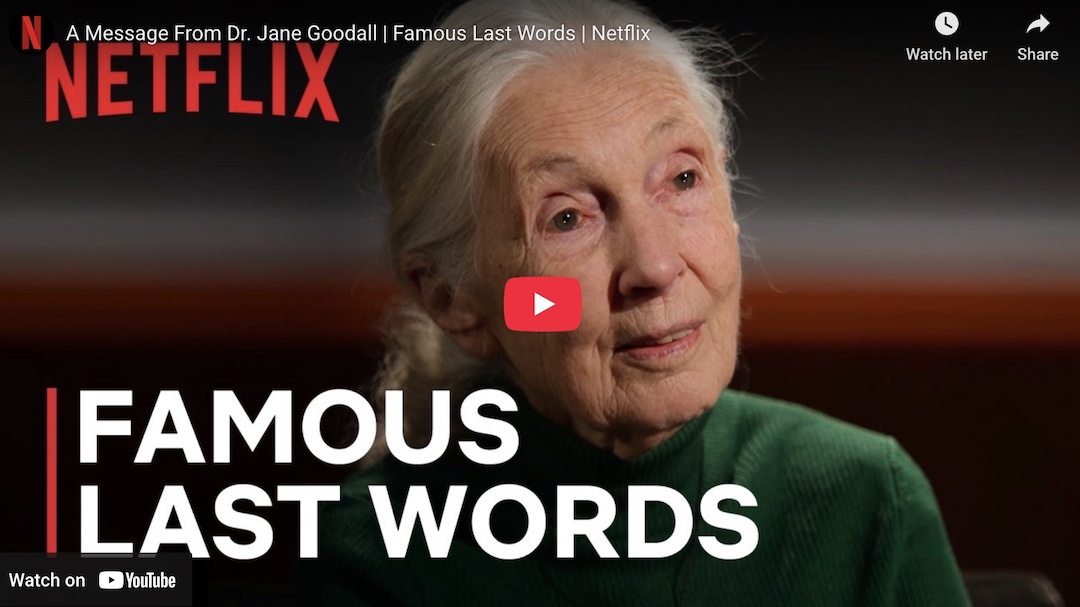
Jane Goodall's assertion that "empathy is really important. Empathy with the natural world" invites us to reconsider our relationship with the environment. In a time when ecological crises loom large, this call for empathy transcends mere sympathy; it urges a profound connection with the living world around us. Goodall's words resonate deeply, highlighting the necessity of understanding and feeling for the myriad forms of life that share our planet. This empathy is not just a moral imperative but a pathway to healing both ourselves and the Earth.
To empathize with the natural world is to recognize that we are not separate from it; rather, we are intricately woven into its fabric. This perspective challenges the anthropocentric view that often dominates our interactions with nature. Goodall's emphasis on empathy serves as a reminder that the health of our planet is inextricably linked to our own well-being. By fostering a sense of kinship with all living beings, we can cultivate a more sustainable and compassionate approach to environmental stewardship.
The image / the metaphor
Goodall's quote conjures vivid imagery of interconnectedness, where empathy acts as a bridge linking humanity to the natural world. The choice of the word "empathy" suggests a deep emotional resonance, an ability to feel alongside other beings rather than merely observing them from a distance. This evokes a sense of intimacy and responsibility, as if we are called to step into the shoes—or paws, fins, or wings—of the creatures that inhabit our shared environment. The verbs "think" and "feel" imply an active engagement, urging us to move beyond passive acknowledgment to a more dynamic relationship with nature.
Diving deeper into the metaphor, empathy becomes a lens through which we can perceive the struggles and triumphs of the natural world. It invites us to listen to the silent cries of endangered species, to witness the resilience of ecosystems under threat, and to appreciate the delicate balance that sustains life. This metaphorical framework encourages us to see ourselves not as conquerors of nature but as partners in a complex web of existence. Through empathy, we can begin to dismantle the barriers that separate us from the natural world, fostering a sense of unity and shared purpose.
In the speaker's tradition
Jane Goodall's work is deeply rooted in the tradition of contemplative ecology, which emphasizes the interconnectedness of all life forms. This perspective aligns with concepts such as "kenosis," the idea of self-emptying to make space for others, and "bhakti," the devotion that arises from recognizing the divine in all beings. Goodall embodies these principles through her lifelong dedication to understanding and protecting wildlife, illustrating how empathy can lead to transformative action. Her approach invites us to consider our own dharma, or duty, towards the Earth and its inhabitants.
In her writings and speeches, Goodall often references the importance of compassion and understanding in fostering a harmonious relationship with nature. This echoes the teachings found in various spiritual texts, such as the Buddhist concept of "sunyata," or emptiness, which encourages us to see beyond our individual selves and recognize the interconnectedness of all life. By embracing empathy, we can cultivate a deeper awareness of our impact on the environment and the responsibility we hold as stewards of the Earth.
Living the teaching
Consider a modern scenario where Goodall's teaching on empathy with the natural world can be applied: a community grappling with the effects of climate change. As residents witness the decline of local wildlife and the degradation of natural habitats, they are faced with a choice. By fostering empathy, they can come together to advocate for sustainable practices, engage in reforestation efforts, and support local conservation initiatives. This collective action, rooted in a shared understanding of the challenges faced by the natural world, can lead to meaningful change and a renewed sense of purpose.
On a more personal level, the practice of empathy can also transform our relationships with those around us. Imagine a moment of conflict with a friend or family member, where misunderstandings have created distance. By approaching the situation with empathy, we can strive to understand the other person's perspective, recognizing their feelings and experiences as valid. This practice not only deepens our connections with others but also mirrors the empathy we are called to extend to the natural world, reinforcing the idea that all relationships—human and non-human—thrive on understanding and compassion.
A reflection
As we contemplate Goodall's profound statement, we are invited to reflect on our own capacity for empathy. How can we cultivate a deeper connection with the natural world in our daily lives? What small actions can we take to honor the lives of the creatures and ecosystems that share our planet? By engaging with these questions, we can begin to embody the empathy that Goodall champions, fostering a more compassionate and sustainable relationship with the Earth.