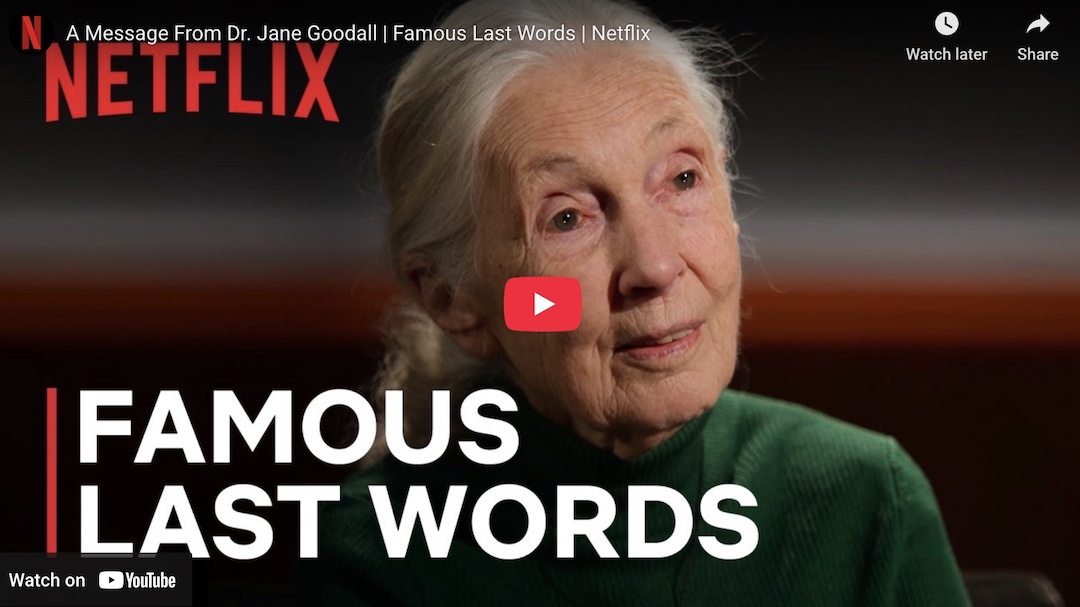
Jane Goodall's assertion that "the indomitable spirit of human beings is my greatest reason for hope" encapsulates a profound understanding of human resilience. In a world often overshadowed by despair and ecological crises, this statement serves as a beacon, urging us to recognize the inherent strength within ourselves and our communities. It invites us to reflect on the capacity for growth, healing, and transformation that resides in every individual, regardless of the challenges faced. This perspective is not merely optimistic; it is a call to action, urging us to harness our inner spirit to foster change.
Delving deeper, Goodall's words resonate with a timeless truth about the human condition. The term "indomitable" suggests a spirit that cannot be subdued or defeated, highlighting the tenacity that characterizes our species. This resilience is not just a personal trait; it is a collective attribute that emerges in times of adversity. By acknowledging this spirit, we cultivate hope—not as a passive expectation of better days, but as an active engagement with the world around us. In recognizing our shared humanity, we are empowered to confront the challenges that threaten our existence and the planet.
The image / the metaphor
At the heart of Goodall's quote lies a vivid imagery of an unyielding spirit. The word "indomitable" evokes a sense of strength and perseverance, conjuring images of individuals and communities rising against the odds. It suggests a dynamic force, one that is not merely resistant to defeat but actively seeks to thrive. This spirit is akin to a flame that, despite the winds of adversity, continues to burn brightly, illuminating the path forward. The choice of the word "spirit" further emphasizes the intangible yet palpable essence of hope that resides within us, urging us to connect with our deeper selves.
Metaphorically, the indomitable spirit can be seen as a river that carves its way through the toughest of landscapes. No matter the obstacles—be it rock, soil, or drought—the river persists, finding new paths and creating life along its journey. This imagery serves as a reminder that our spirit, too, is capable of navigating the complexities of life. It encourages us to embrace our challenges as opportunities for growth, transforming potential despair into a source of strength and hope.
In the speaker's tradition
Jane Goodall's insights are deeply rooted in the tradition of contemplative ecology, which emphasizes the interconnectedness of all living beings and the importance of nurturing our relationship with the natural world. This perspective aligns with concepts such as dharma, which speaks to the inherent purpose and duty of individuals to contribute positively to the world around them. Goodall's work exemplifies a form of kenosis, or self-emptying, where one’s personal desires are set aside in favor of a greater good—namely, the well-being of our planet and its inhabitants.
In her book "Reason for Hope," Goodall draws upon her experiences with chimpanzees and the natural world to illustrate the profound connections that exist between all forms of life. This interconnectedness echoes the Buddhist concept of sunyata, or emptiness, which teaches that all beings are interdependent. By recognizing our shared existence, we cultivate a sense of responsibility and compassion that fuels our indomitable spirit, allowing hope to flourish even in the face of adversity.
Living the teaching
Consider a modern scenario where Goodall's teaching resonates profoundly: the global climate crisis. As communities around the world grapple with the effects of climate change, many individuals are stepping forward, driven by an indomitable spirit to advocate for sustainable practices and environmental justice. Grassroots movements, such as local clean-up initiatives or community gardens, exemplify how individuals can harness their inner strength to effect change. These acts, though seemingly small, collectively contribute to a larger movement of hope and resilience, demonstrating that every effort counts in the fight for a healthier planet.
In personal relationships, the concept of an indomitable spirit can manifest during difficult moments. Imagine a friendship strained by misunderstandings or conflict. By tapping into the indomitable spirit within, individuals can approach these challenges with empathy and a willingness to listen. This spirit fosters open communication and the courage to confront issues head-on, ultimately strengthening the bond between friends. In daily practice, cultivating this spirit may involve mindfulness techniques that encourage self-reflection and compassion, allowing us to navigate our relationships with grace and understanding.
A reflection
As we contemplate Goodall's powerful assertion, we are invited to explore the depths of our own indomitable spirit. What challenges in your life call for resilience and hope? In what ways can you actively engage with the world around you, drawing upon your inner strength to inspire change? By reflecting on these questions, we can begin to understand the transformative power of hope and the role it plays in our journey toward a more compassionate and sustainable existence.