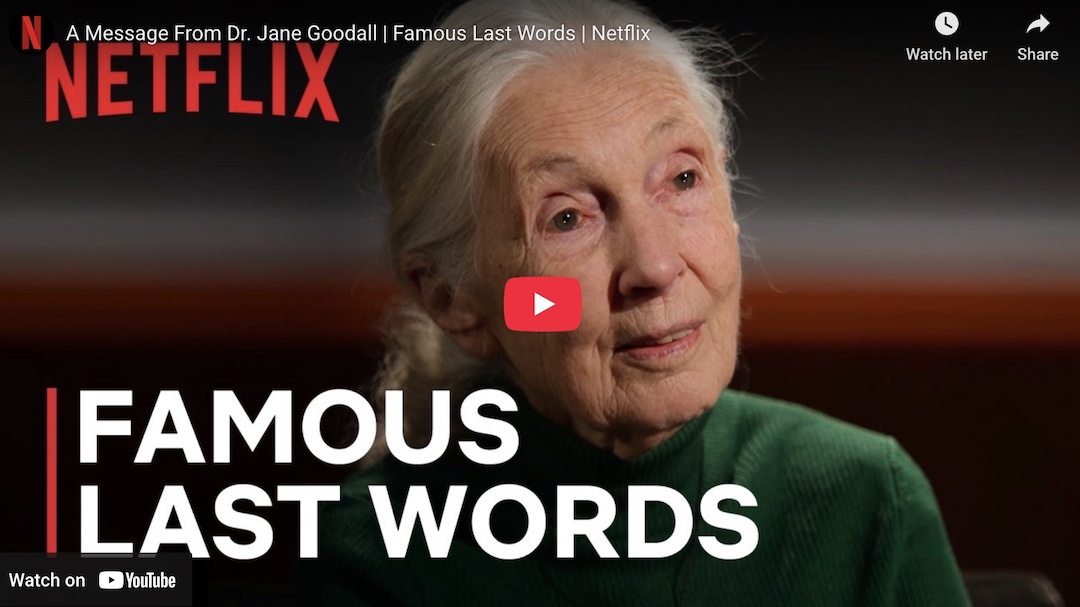
Jane Goodall's assertion that "there is power in the wisdom of the elders" invites us to pause and reflect on the profound significance of the knowledge and experiences passed down through generations. In a world increasingly driven by rapid technological advancement and fleeting trends, this statement serves as a reminder of the enduring value of the insights offered by those who have walked the path before us. The wisdom of elders is not merely a collection of anecdotes; it is a reservoir of understanding that can guide us through the complexities of life.
As we navigate our contemporary challenges—climate change, social injustice, and existential uncertainty—the voices of our elders become even more crucial. Their lived experiences and the lessons they have gleaned from the natural world can illuminate our path forward. This wisdom is not just about survival; it is about thriving in harmony with the earth and each other. In recognizing the power of this wisdom, we open ourselves to a deeper connection with our roots and the broader tapestry of life.
The image / the metaphor
The phrase "power in the wisdom of the elders" conjures images of ancient trees, their gnarled roots intertwined with the earth, standing tall against the winds of change. The choice of the word "power" suggests a force that is both nurturing and protective, capable of fostering growth and resilience. Wisdom, in this context, is not static; it is dynamic, flowing from the experiences of those who have lived through trials and tribulations, shaping their understanding of the world.
Delving deeper into the metaphor, we can see that the wisdom of elders acts as a bridge between the past and the present. It is a living testament to the cycles of life, echoing the rhythms of nature itself. Just as the seasons change, so too does the wisdom we inherit, adapting to the needs of each generation while remaining rooted in timeless truths. This interplay of continuity and change highlights the importance of honoring our elders, for their insights can guide us in navigating the complexities of our own lives.
In the speaker's tradition
Jane Goodall's work is deeply embedded in the tradition of contemplative ecology, which emphasizes the interconnectedness of all living beings and the importance of nurturing our relationship with the natural world. This perspective resonates with concepts such as dharma, which speaks to the inherent duty we have to honor the wisdom of those who have come before us. In recognizing the power of elders, we acknowledge the role they play in guiding us toward a more harmonious existence with the earth.
Moreover, Goodall's insights can be likened to the Buddhist concept of sunyata, or emptiness, which invites us to let go of our preconceived notions and open ourselves to the wisdom that surrounds us. In her work, Goodall often emphasizes the need for humility and a willingness to learn from nature and its inhabitants. This echoes the teachings found in various spiritual texts, such as the Tao Te Ching, which encourages us to embrace the wisdom of the natural world and the elders who have observed its rhythms for generations.
Living the teaching
Consider a modern scenario where the wisdom of elders can profoundly impact our lives: a community grappling with environmental degradation. In such a situation, the voices of older generations, who have witnessed the land's transformation over decades, can provide invaluable insights. Their stories of resilience, adaptation, and respect for the earth can inspire younger generations to take action, fostering a sense of stewardship that transcends individual interests and promotes collective well-being.
In personal relationships, the power of elder wisdom can manifest during moments of conflict or uncertainty. When faced with a difficult decision, seeking the counsel of an elder can offer a fresh perspective grounded in experience. Their ability to navigate life's complexities can serve as a guiding light, reminding us of the importance of patience, empathy, and understanding. By integrating their wisdom into our daily practices, we cultivate a deeper sense of connection and purpose in our interactions with others.
A reflection
As we contemplate the power inherent in the wisdom of elders, we are invited to ask ourselves: How can I honor the voices of those who have come before me in my own life? This question encourages us to reflect on the ways we engage with the wisdom of our elders, whether through active listening, seeking their guidance, or sharing their stories with others. In doing so, we not only enrich our own lives but also contribute to the preservation of a collective wisdom that can guide future generations.